
 Save
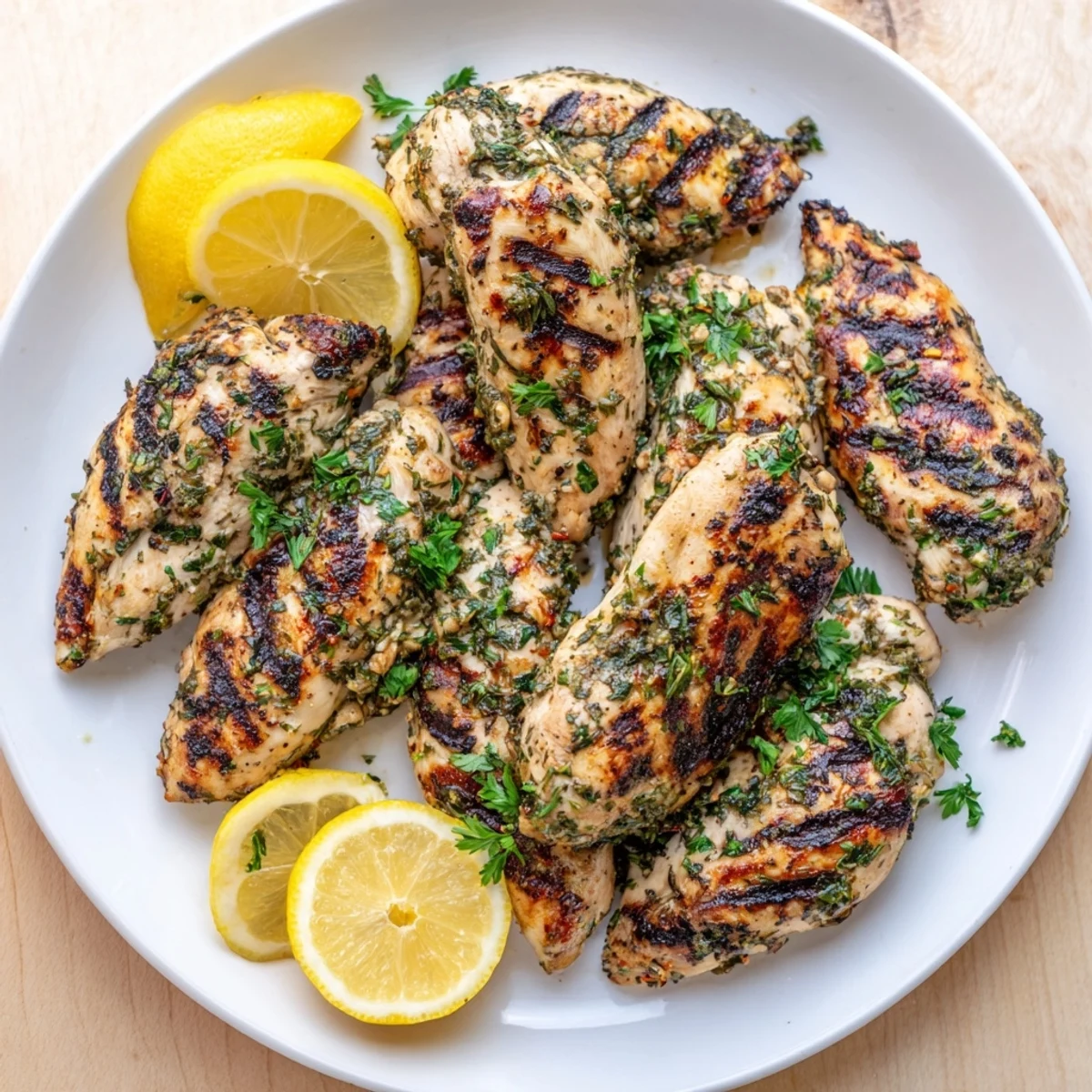
Save Transform ordinary chicken into something extraordinary with this simple herb rub technique. Fresh rosemary, thyme, and parsley create an aromatic crust that locks in juices while grilling, resulting in perfectly charred, incredibly moist meat every time.
The preparation comes together in just 15 minutes, requiring only basic pantry staples and fresh herbs. Let the marinated chicken rest at room temperature while the grill heats up, then cook for 6-8 minutes per side until beautifully marked and cooked through.
This versatile main dish pairs beautifully with roasted vegetables, crisp salads, or grilled potatoes. The lemon zest in the rub adds bright notes that complement the earthy herbs, while serving with fresh lemon wedges provides an extra pop of acidity to balance the savory flavors.
The smell of rosemary hitting a hot grill grate will stop me in my tracks every single time, transporting me straight to a sun baked afternoon with smoke curling into a cloudless sky. My neighbor once wandered over asking what on earth I was cooking because the aroma had drifted across three backyards. That day marked the birth of this herb rubbed chicken, and honestly it has never let me down since. It is the kind of recipe that makes you look like a genius with almost zero effort.
Last Fourth of July I grilled a double batch of this chicken for a crowd of twelve, and my brother in law who never compliments food actually pulled me aside to ask for the recipe. I handed him a napkin with scribbled measurements and felt like I had shared a state secret.
Ingredients
- Boneless skinless chicken breasts (4): Even thickness matters more than anything else here, so take a moment to pound them flat if they vary wildly in size.
- Fresh rosemary (2 tbsp, finely chopped): Strip the needles from the woody stems and chop aggressively because the finer the pieces, the more flavor releases into the paste.
- Fresh thyme (2 tbsp, finely chopped): Pull the tiny leaves downward off the stems and discard anything woody or tough.
- Fresh parsley (2 tbsp, finely chopped): Flat leaf parsley brings a bright almost peppery note that rounds out the heavier woody herbs beautifully.
- Garlic (4 cloves, minced): Mince it as finely as you can stand because chunky garlic bits tend to burn on the grill before the chicken cooks through.
- Smoked paprika (1 tsp): This single ingredient transforms the flavor from basic herb chicken into something deeply smoky and complex.
- Sea salt (1 tsp): Seasoning the rub generously ensures every bite is flavorful down to the center of the meat.
- Black pepper (1/2 tsp): Freshly cracked is always superior, but pre ground works fine in a pinch.
- Cayenne pepper (1/4 tsp, optional): Just enough warmth to make your lips tingle without scaring anyone away from the table.
- Olive oil (2 tbsp): Binds the herbs into a spreadable paste and helps conduct heat for a better crust.
- Lemon zest (from 1 lemon): The oils in the zest are where the magic lives, so zest before you juice and avoid the bitter white pith at all costs.
- Lemon wedges and fresh parsley (for serving): A final squeeze of brightness right at the table makes all the flavors snap into focus.
Instructions
- Build the herb paste:
- Pile the rosemary, thyme, parsley, garlic, smoked paprika, salt, pepper, cayenne, olive oil, and lemon zest into a bowl and mash everything together with the back of a spoon until it looks like a fragrant green paste. Take a small taste on your fingertip because adjusting the salt now saves you from bland chicken later.
- Coat the chicken:
- Pat each breast completely dry with paper towels since moisture is the enemy of a good sear, then smear the herb paste over every surface using your hands. Press firmly so the paste adheres to the meat rather than sliding off onto the grill.
- Let it rest and absorb:
- Leave the coated chicken sitting at room temperature for at least ten minutes, or tuck it into the refrigerator for up to two hours if you have the luxury of planning ahead. The salt begins working immediately, pulling flavor deep into the fibers.
- Get the grill ripping hot:
- Preheat your grill or grill pan to medium high heat until you can hold your hand an inch above the surface for only about two seconds. A hot grate creates those beautiful char marks and prevents sticking.
- Grill to perfection:
- Lay the chicken down gently without pressing or poking, then cook for six to eight minutes per side until the internal temperature hits 165 degrees Fahrenheit and the outside is gloriously charred. Flip only once because patience rewards you with better browning.
- Rest before slicing:
- Transfer the chicken to a platter, tent it loosely with foil, and let it sit undisturbed for five full minutes so the juices redistribute evenly through the meat. Cutting too early means all those beautiful juices end up on your cutting board instead of in your mouth.
- Serve with flair:
- Arrange the rested chicken on a warm platter, scatter fresh parsley over the top, and nestle lemon wedges around the edges so everyone can customize their own brightness level.
 Save
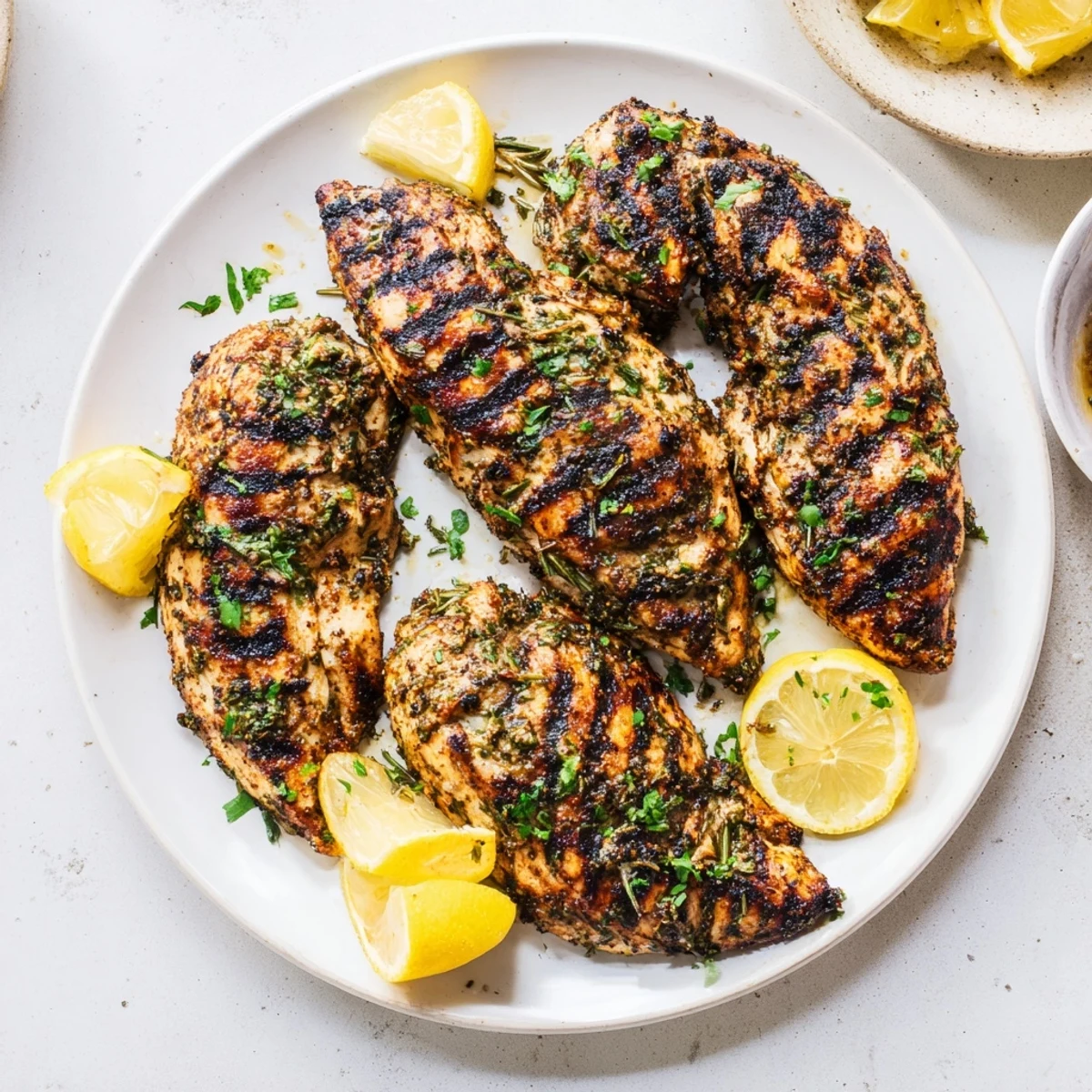
Save There is something quietly powerful about setting a platter of beautifully charred herb chicken on a picnic table and watching conversation pause while people take their first bite.
What to Serve Alongside
This chicken plays remarkably well with almost anything you throw at it, from a heap of smoky grilled potatoes to a cool crisp salad with vinaigrette. Roasted vegetables tossed in olive oil and salt become an effortless side when you spread them on a sheet pan nearby. A glass of cold Sauvignon Blanc or a buttery Chardonnay alongside turns a Tuesday dinner into something that feels intentional and special.
When Fresh Herbs Are Not Available
Dried herbs absolutely work in a pinch, but the ratio changes dramatically since dried herbs are far more concentrated. Use exactly one third of the amount called for with fresh, and let the paste sit an extra few minutes so the dried herbs can rehydrate in the olive oil.
Storing and Reheating Leftovers
Leftover herb chicken stores beautifully in an airtight container in the refrigerator for up to three days, and the flavor somehow deepens overnight making it incredible sliced cold over salad. Reheat gently in a covered skillet with a splash of water so the meat steams back to tenderness rather than drying out.
- Slice leftovers thin and tuck them into a wrap with hummus and greens for the fastest lunch you will ever assemble.
- Frozen cooked chicken loses some texture but works perfectly diced into soups or casseroles within two months.
- Always label your storage containers with the date because trust me, three day old chicken and seven day old chicken look identical in the fridge.
 Save
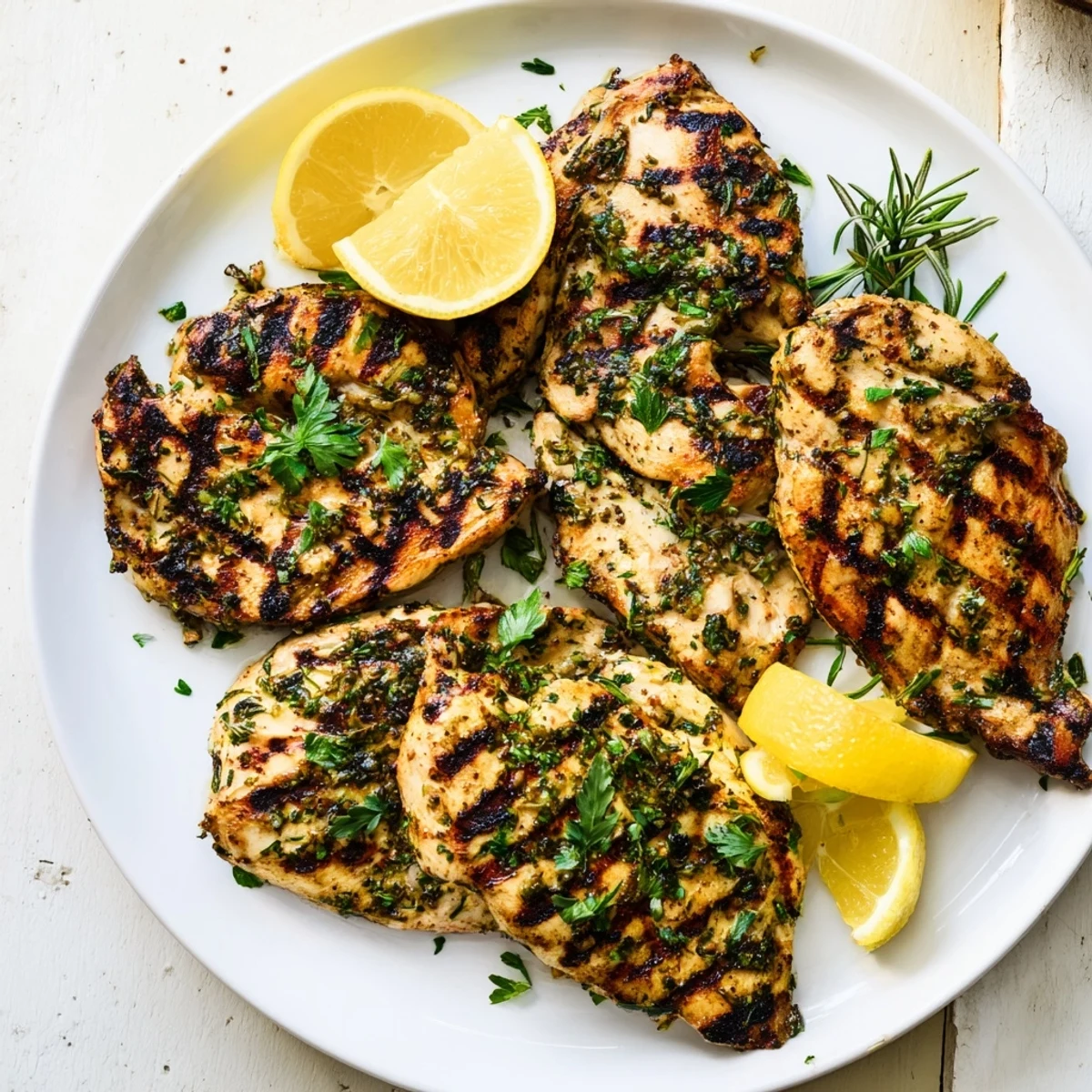
Save Keep this recipe in your back pocket for any night when you want something impressive without any fuss. The herbs and smoke handle the drama, and you get to look like a hero.
Recipe FAQs
- → Can I use dried herbs instead of fresh?
-
Yes, you can substitute dried herbs using one-third the amount. For example, use 2 teaspoons of dried rosemary instead of 2 tablespoons fresh. Keep in mind that fresh herbs provide brighter flavor and better texture for the rub.
- → How do I know when the chicken is done?
-
Use a meat thermometer to check the internal temperature reaches 165°F (74°C) at the thickest part. The chicken should feel firm to the touch and the juices should run clear when pierced.
- → Can I cook this in the oven instead?
-
Absolutely. Preheat your oven to 400°F and bake the rubbed chicken for 20-25 minutes until cooked through. For similar grill marks, finish under the broiler for 2-3 minutes per side.
- → How long should I let the rub sit on the chicken?
-
Allow at least 10 minutes at room temperature for the flavors to penetrate. For deeper flavor, marinate in the refrigerator up to 2 hours. Bring the chicken to room temperature for 15-20 minutes before grilling.
- → What sides pair well with this dish?
-
Grilled vegetables like zucchini, bell peppers, and asparagus work beautifully. Fresh salads with vinaigrette, roasted potatoes, or crusty bread to soak up the juices also make excellent accompaniments.
- → Is the cayenne pepper necessary?
-
No, the cayenne is optional and only adds mild heat. If you prefer a milder dish or are serving sensitive palates, simply omit it from the rub without affecting the overall flavor profile.