
 Save
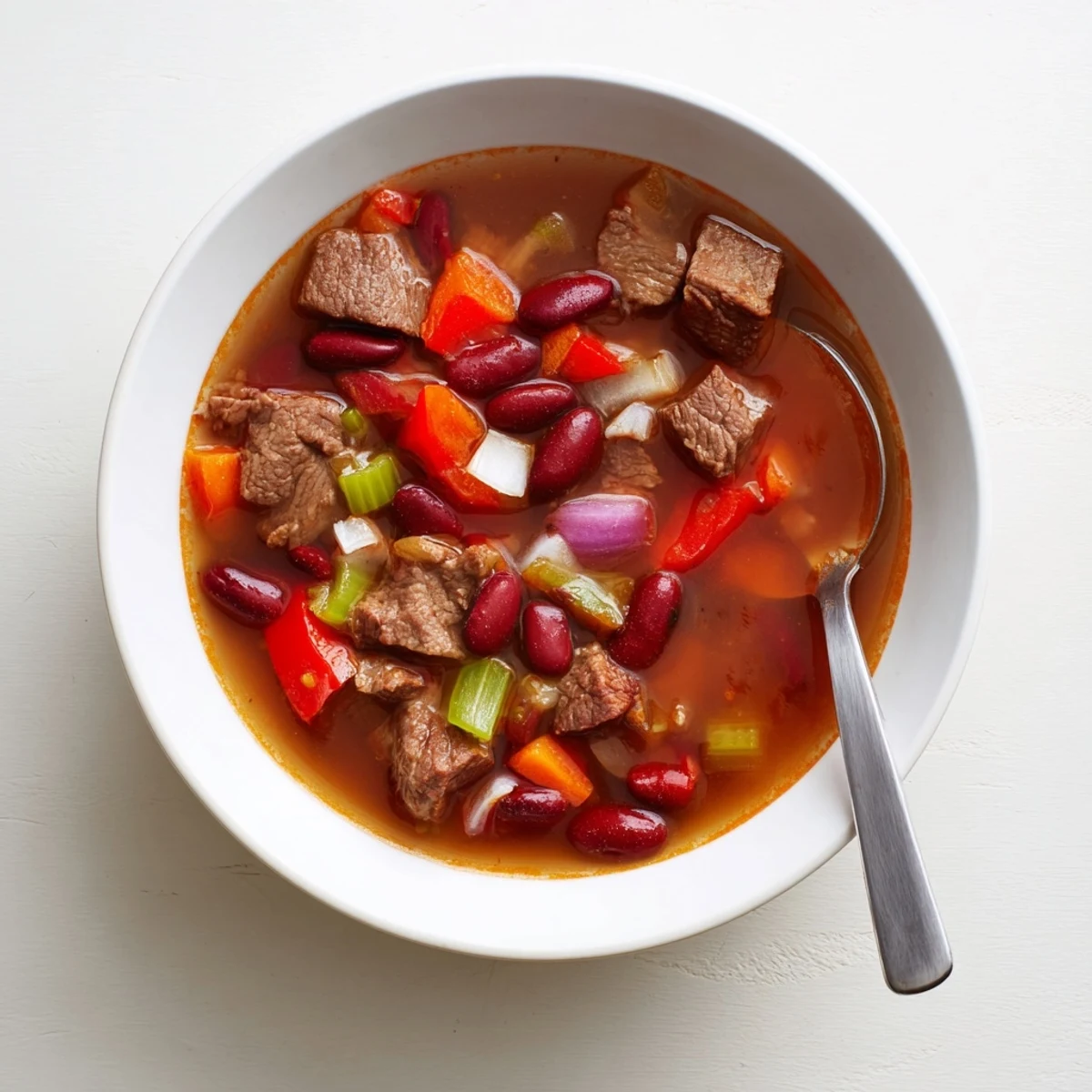
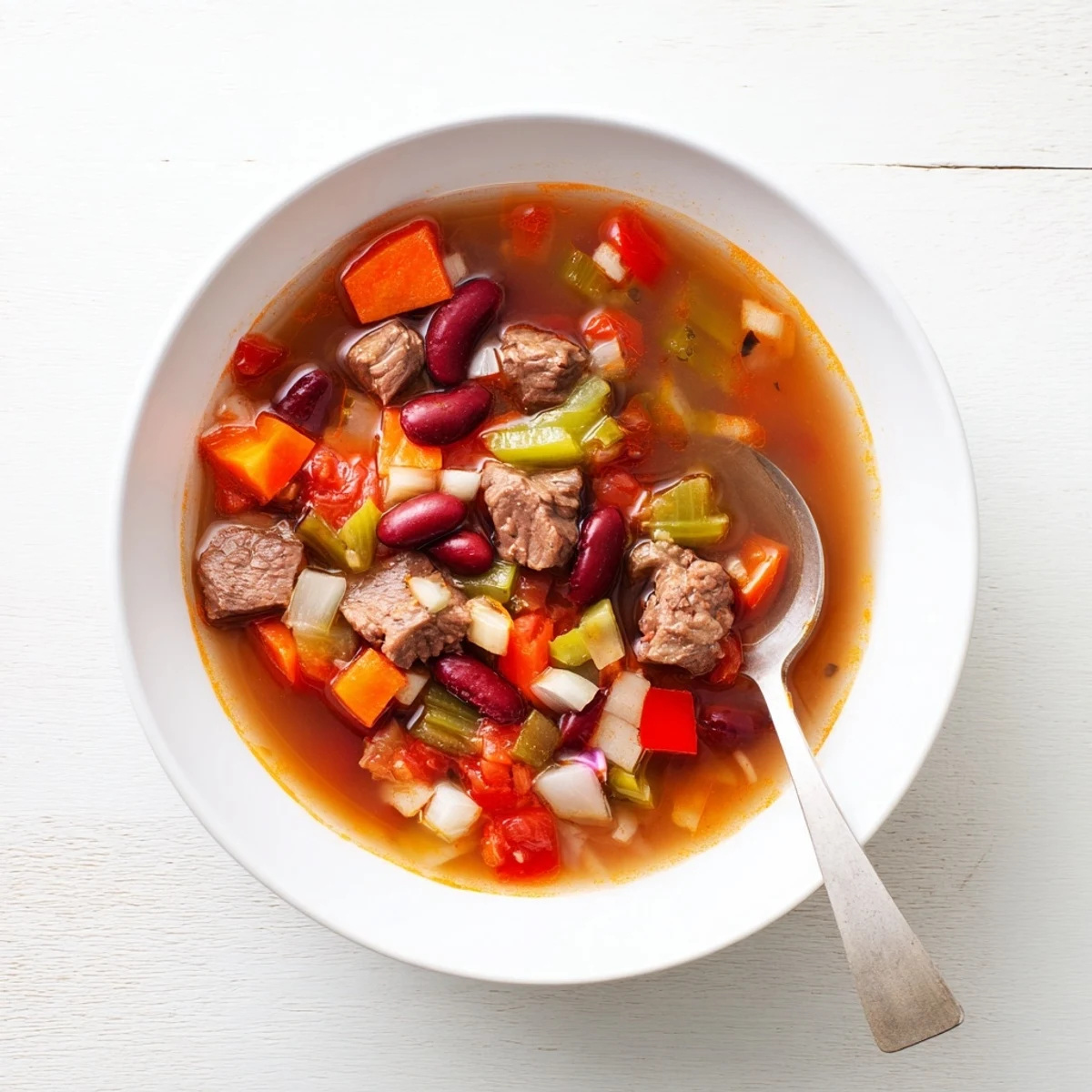
Save This satisfying soup combines tender beef cubes with kidney beans, carrots, celery, and bell pepper in a flavorful beef broth base. Smoked paprika, cumin, and oregano add depth, while tomato paste provides richness. The one-pot method develops deep flavors as it simmers, resulting in a thick and comforting bowl perfect for cool weather. Leftovers taste even better the next day as flavors continue to meld.
The screen door slammed shut behind me on one of those October evenings where the cold just seeps into your bones, and my neighbor Dave appeared at the fence line holding a mason jar of his wifes homemade hot sauce and said you look like you need soup. He was right. I had a pound of beef stew meat sitting in the fridge with no plan, and within an hour my kitchen smelled like something my grandmother would have been proud of. That jar of hot sauce never actually made it into the pot, but the soup that did has been on repeat every fall since.
I made a double batch for a potluck at work once and brought it in a slow cooker set to warm, and three people pulled me aside in the hallway to ask for the recipe before noon. One of them had been a vegetarian for six years and still took a bowl, claiming the beans counted as their exception. There is something about the way the smoked paprika hangs in the air that makes people lose their composure a little.
Ingredients
- Beef stew meat (450 g): Cut it into uniform one-inch cubes so everything cooks evenly, and dont trim every last bit of fat off because that is where the flavor lives.
- Onion, garlic, carrots, celery, red bell pepper: This combination builds a foundation that you will thank yourself for later, and the bell pepper adds a subtle sweetness that balances the smoky spices.
- Diced tomatoes (one can, undrained): The liquid in the can counts toward the broth, so pour every bit in.
- Kidney beans (two cans, drained and rinsed): Rinsing removes the starchy liquid that can make soup cloudy, and kidney beans hold their shape beautifully during a long simmer.
- Beef broth (1.5 liters): Use a good quality broth because it is the backbone of the entire pot, and low sodium versions let you control the salt yourself.
- Tomato paste: This concentrates the savory depth in a way that regular tomatoes alone cannot, so do not skip it.
- Worcestershire sauce: Just one tablespoon adds umami that makes people close their eyes and try to guess the secret ingredient.
- Smoked paprika, oregano, cumin, bay leaf: The smoked paprika is the real star here, giving everything a campfire warmth without any actual smoke involved.
- Olive oil: Any neutral cooking oil works, but olive oil adds a gentle fruitiness that pairs well with the beef.
Instructions
- Brown the beef:
- Heat the olive oil in your largest soup pot over medium-high heat until it shimmers, then add the beef cubes in a single layer without crowding the pan. Let them sit undisturbed for a couple of minutes until a deep brown crust forms before turning, because that crust is pure concentrated flavor you cannot get back later.
- Build the vegetable base:
- Take the beef out and set it aside on a plate, then drop the onion, garlic, carrots, and celery into the same pot with all those beautiful beef drippings. Stir them around for about five minutes until the onions turn translucent and your kitchen starts smelling like a place where good things happen.
- Add pepper and tomato paste:
- Stir in the diced bell pepper and the tomato paste, cooking for two minutes until the paste darkens slightly and coats the vegetables. This short step deepens the tomato flavor dramatically and is worth every second.
- Bring it all together:
- Return the browned beef and any juices that pooled on the plate back into the pot, then pour in the diced tomatoes, beef broth, Worcestershire sauce, smoked paprika, oregano, cumin, and bay leaf. Stir everything gently to combine, scraping up any browned bits from the bottom of the pot because those bits are liquid gold.
- Simmer covered:
- Bring the pot to a full boil, then reduce the heat to low, cover it with a lid, and let it simmer peacefully for forty minutes. The broth will slowly transform into something rich and aromatic while the beef becomes fork tender.
- Add beans and finish:
- Stir in the drained kidney beans and continue simmering uncovered for fifteen more minutes so the soup thickens and the beans absorb some of that seasoned broth. The liquid should coat the back of a spoon when it is ready.
- Season and serve:
- Taste the broth and add salt and pepper until it sings, then fish out the bay leaf before anyone finds it the hard way. Ladle into wide bowls and watch peoples shoulders drop as they take that first sip.
 Save
Save There was a night last January when the power went out during a storm and I heated this soup on a gas burner by candlelight, and my roommate and I sat on the kitchen floor eating it in silence while the wind howled outside. It was one of those meals that had nothing to do with the food itself and everything to do with feeling safe and warm when the world outside was anything but. I think every great soup carries that potential inside it.
A Few Words on Broth
I learned the hard way that cheap beef broth can make a soup taste flat and watery no matter how many spices you throw at it. Spend a little extra on a brand you trust, or better yet, make your own when you have leftover bones from a roast. The difference between mediocre broth and good broth is the difference between a soup people eat politely and a soup people ask about.
Making It Your Own
My friend Maria swaps the kidney beans for black beans and adds a diced jalapeno because she likes things fiery, and her version is completely different from mine but equally delicious. You could toss in some chopped kale or spinach at the very end for color, or stir in a spoonful of prepared horseradish for a back-of-the-throat kick that pairs surprisingly well with beef. Recipes are starting points, not contracts.
Storing and Reheating
This soup keeps beautifully in the refrigerator for up to four days, and the flavor genuinely improves overnight as the spices settle into the beans and beef. For freezing, portion it into individual containers so you can grab a single serving on a busy night without thawing the whole batch. Reheat gently on the stove or in the microwave, and add a splash of broth if it has thickened too much during storage.
- Always label your freezer containers with the date because every leftover soup looks identical once frozen.
- A drizzle of good olive oil on top of each bowl at serving time adds a finishing touch that costs almost nothing.
- Remember to remove the bay leaf before storing or it continues to steep and can overpower the broth.
 Save
Save Some recipes are just dinner, and then some recipes become the thing you make when someone you love walks in looking cold and tired. This is that one. Keep it in your back pocket for the people who matter most.
Recipe FAQs
- → How long does this soup take to make?
-
The total time is approximately 1 hour and 20 minutes, including 20 minutes of prep and 1 hour of cooking. Most of the cooking time is hands-off simmering.
- → Can I use dried beans instead of canned?
-
Yes, soak 1 cup of dried kidney beans overnight, then cook them separately before adding to the soup in step 6. Canned beans work perfectly and save significant time.
- → What cut of beef works best?
-
Beef stew meat or chuck roast cut into 1-inch cubes works well. These tougher cuts become tender during the long simmer and add rich flavor to the broth.
- → Is this suitable for meal prep?
-
Absolutely. This soup stores beautifully in the refrigerator for up to 4 days and actually tastes better as the flavors develop overnight. It also freezes well for up to 3 months.
- → How can I make this soup spicier?
-
Add 1/4 to 1/2 teaspoon of red pepper flakes along with the other spices in step 4, or serve with hot sauce on the side for custom heat levels.
- → What goes well with this soup?
-
Crusty gluten-free bread, cornbread, or a simple green salad make excellent sides. Fresh parsley or grated Parmesan cheese on top adds a nice finishing touch.