
 Save
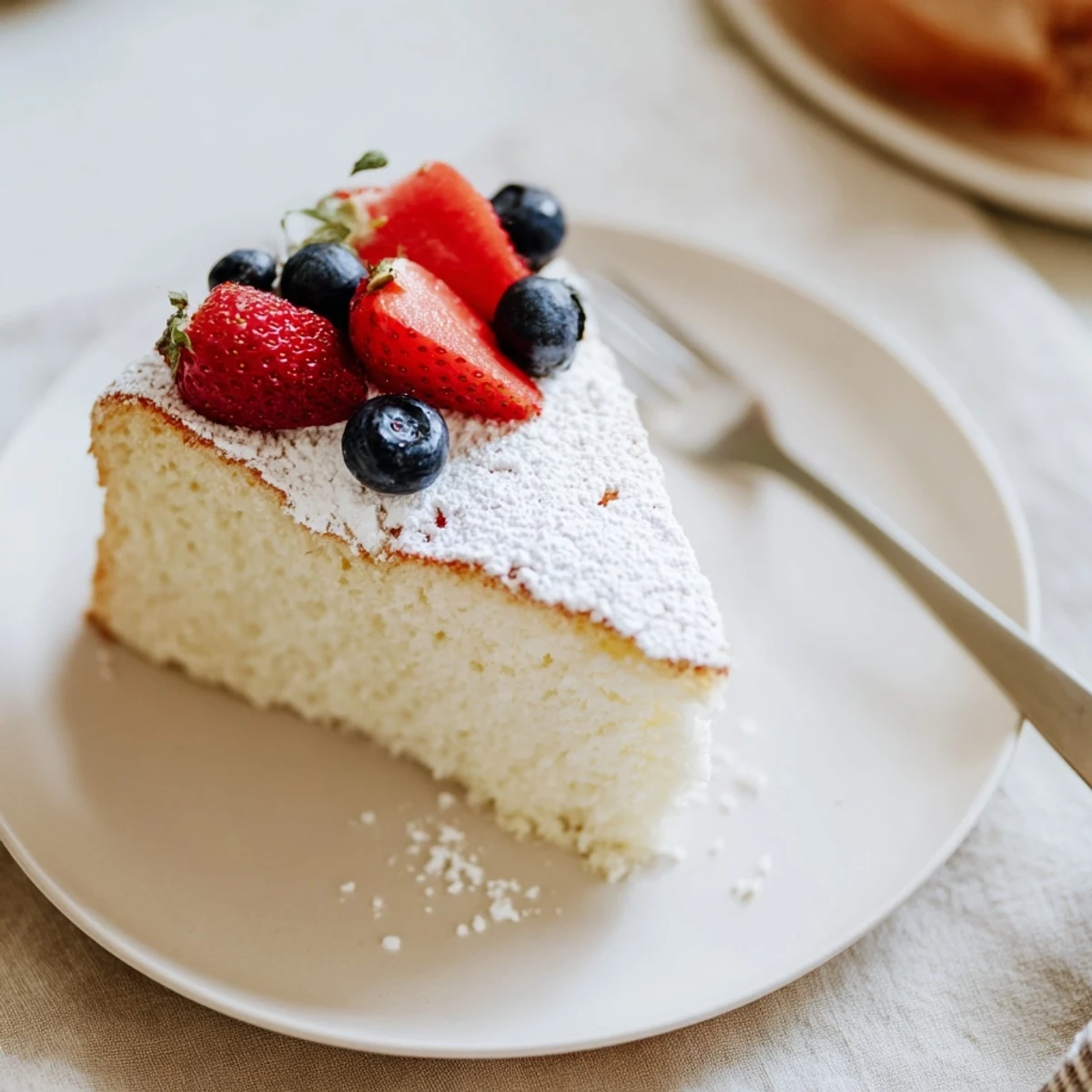
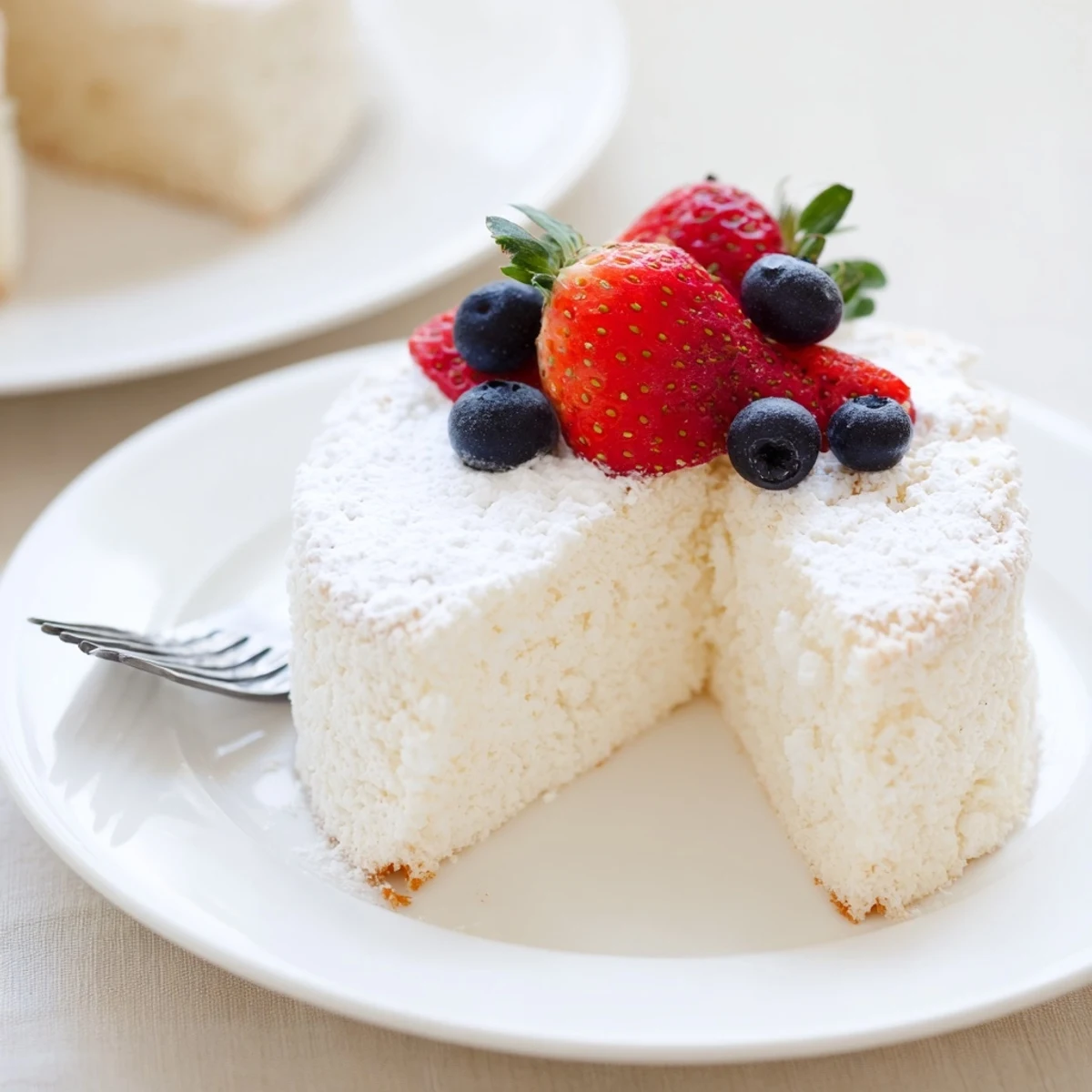
Save This fluffy yogurt cloud cake delivers an incredibly light texture thanks to the combination of Greek yogurt and whipped egg whites. The result is a delicate, airy confection that feels like eating a cloud.
European-style baking techniques create the signature fluffiness, while lemon zest adds bright citrus notes. The cake balances sweetness with tangy yogurt, making it refreshing yet satisfying.
Ready in just over an hour, this elegant dessert serves eight and pairs beautifully with fresh berries. Best enjoyed freshly made, though it keeps well for two days when stored properly.
The afternoon sun hit my kitchen counter just right when I first pulled this cake from the oven, its golden top trembling slightly like it was still waking up. My grandmother had mentioned something about yogurt cakes being her secret weapon for unexpected guests, but I had never attempted one myself until that Sunday when friends called saying they were twenty minutes away. The way it rose so effortlessly in the oven, smelling of warm lemon and vanilla, made me understand why she kept this recipe in her back pocket for decades.
Last summer, my sister requested this for her birthday instead of a frosted layer cake, something I found surprising until I watched her face light up when she took that first bite. We ate it on the back porch with fresh strawberries from the garden, and she told me it reminded her of the yogurt cake our aunt used to make when we spent summers at her house in the countryside. Now it has become our go-to for celebrations that do not need candles but still deserve something special.
Ingredients
- All-purpose flour: Provides the structure for this delicate cake, and I have learned that measuring by weight rather than volume gives the most consistent results
- Cornstarch: The secret ingredient that makes the crumb impossibly tender and soft, almost like a cloud
- Baking powder: Helps the cake rise gently, creating that airy texture we are after
- Salt: Just a pinch balances the sweetness and enhances the lemon flavor
- Eggs, separated: Beating the whites separately is what creates the signature fluffy texture, so do not skip this step
- Granulated sugar: Divided between the yolks and whites, it sweetens while helping stabilize the egg whites for maximum volume
- Vegetable oil: Keeps the cake moist for days, unlike butter which can firm up when chilled
- Full-fat Greek yogurt: The star of the show, adding tang, moisture, and that creamy texture that makes this cake unforgettable
- Vanilla extract: Pure vanilla makes all the difference here, rounding out the flavors beautifully
- Lemon zest: Brightens everything up and cuts through the richness
- Powdered sugar: For that final dusting that makes it look like something from a bakery window
Instructions
- Preheat and prepare your pan:
- Set your oven to 325F and line just the bottom of an 8-inch round pan with parchment paper, leaving the sides completely ungreased so the cake can climb up them as it bakes
- Whisk the dry ingredients together:
- In a medium bowl, combine the flour, cornstarch, baking powder, and salt until well blended
- Beat the egg yolks:
- Whisk the yolks with half the sugar until they turn pale and ribbly, then mix in the oil, yogurt, vanilla, and lemon zest until smooth
- Fold in the dry ingredients:
- Gently incorporate the flour mixture just until combined, being careful not to overwork the batter
- Whip the egg whites:
- In a completely clean bowl, beat the whites until soft peaks form, then gradually add the remaining sugar and continue whipping until you have stiff, glossy peaks
- Combine the mixtures:
- Fold one third of the whites into the batter to lighten it, then gently fold in the remaining whites in two more additions
- Bake to perfection:
- Pour the batter into your prepared pan, smooth the top, and bake for 40 to 45 minutes until set and a toothpick comes out clean
- Cool with care:
- Let the cake rest in the pan for 10 minutes before running a knife around the edge and inverting it onto a wire rack to cool completely
 Save
Save My neighbor asked for the recipe after I brought her a slice when she was recovering from surgery, and now she makes it every Sunday for her family. It has become one of those recipes that travels from kitchen to kitchen, each person adding their own little touch while keeping the soul of the cake exactly the same.
Making It Your Own
While the classic version is perfect on its own, I have found that adding a tablespoon of lemon juice to the batter makes it even brighter. You can also swap the lemon zest for orange if you prefer a deeper, more mellow citrus flavor that pairs beautifully with winter evenings.
Storage and Serving
This cake is at its absolute best the day it is made, when the edges are still slightly tender and the crumb feels like it might float away if you are not careful. That said, it keeps remarkably well stored airtight for up to two days, and I actually love serving it chilled on hot afternoons when you want something refreshing but not heavy.
Perfect Pairings
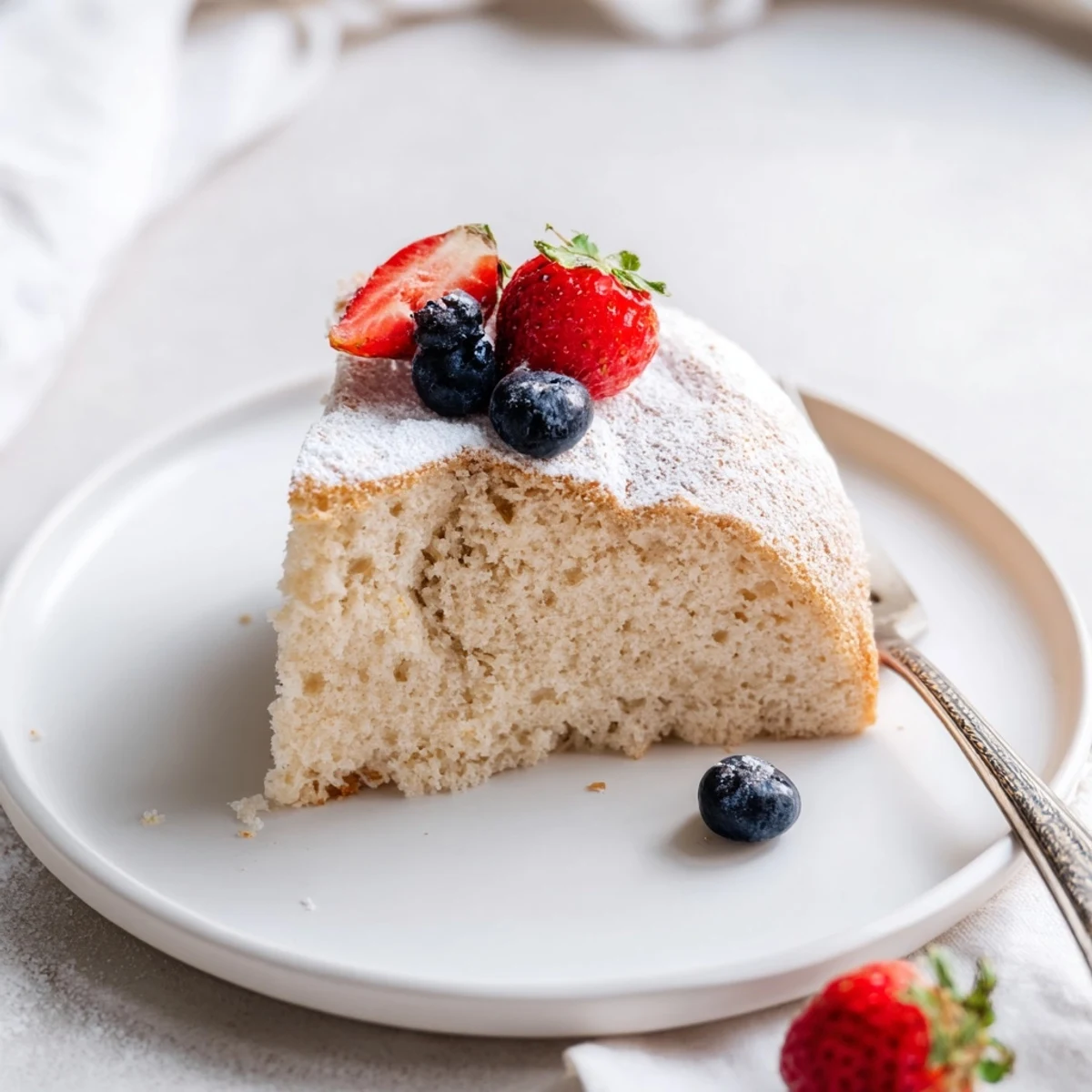
A simple dusting of powdered sugar is often all this cake needs, but fresh berries or sliced peaches turn it into something fit for a dinner party finale. I have also served it alongside a cup of strong black coffee in the morning and found that the slight tang of the yogurt cuts through the bitterness beautifully.
- Try it with a dollop of Greek yogurt and extra honey for breakfast
- Pair with vanilla ice cream for an incredibly easy dessert
- Top with stewed rhubarb in spring for a tart contrast
 Save
Save There is something deeply comforting about a cake that relies on simple ingredients and technique rather than fancy equipment or hard to find components. This one has earned its permanent place in my recipe card box, and I hope it finds a home in yours too.
Recipe FAQs
- → What makes this cake so fluffy?
-
The cloud-like texture comes from beaten egg whites folded into the batter, creating air pockets that make the cake incredibly light and airy.
- → Can I use regular yogurt instead of Greek yogurt?
-
Greek yogurt works best because it's thicker and creamier. Regular yogurt may make the batter too thin, affecting the final texture.
- → Why shouldn't I grease the sides of the pan?
-
Leaving the sides ungreased helps the cake climb up the pan as it bakes, which contributes to its fluffy rise and cloud-like texture.
- → How do I know when the cake is done?
-
Insert a toothpick into the center—if it comes out clean, the cake is set and ready. The top should be lightly golden and spring back when touched.
- → Can I add other flavors?
-
Yes! Try orange zest instead of lemon, add a teaspoon of almond extract, or fold in fresh berries before baking for variation.