
 Save
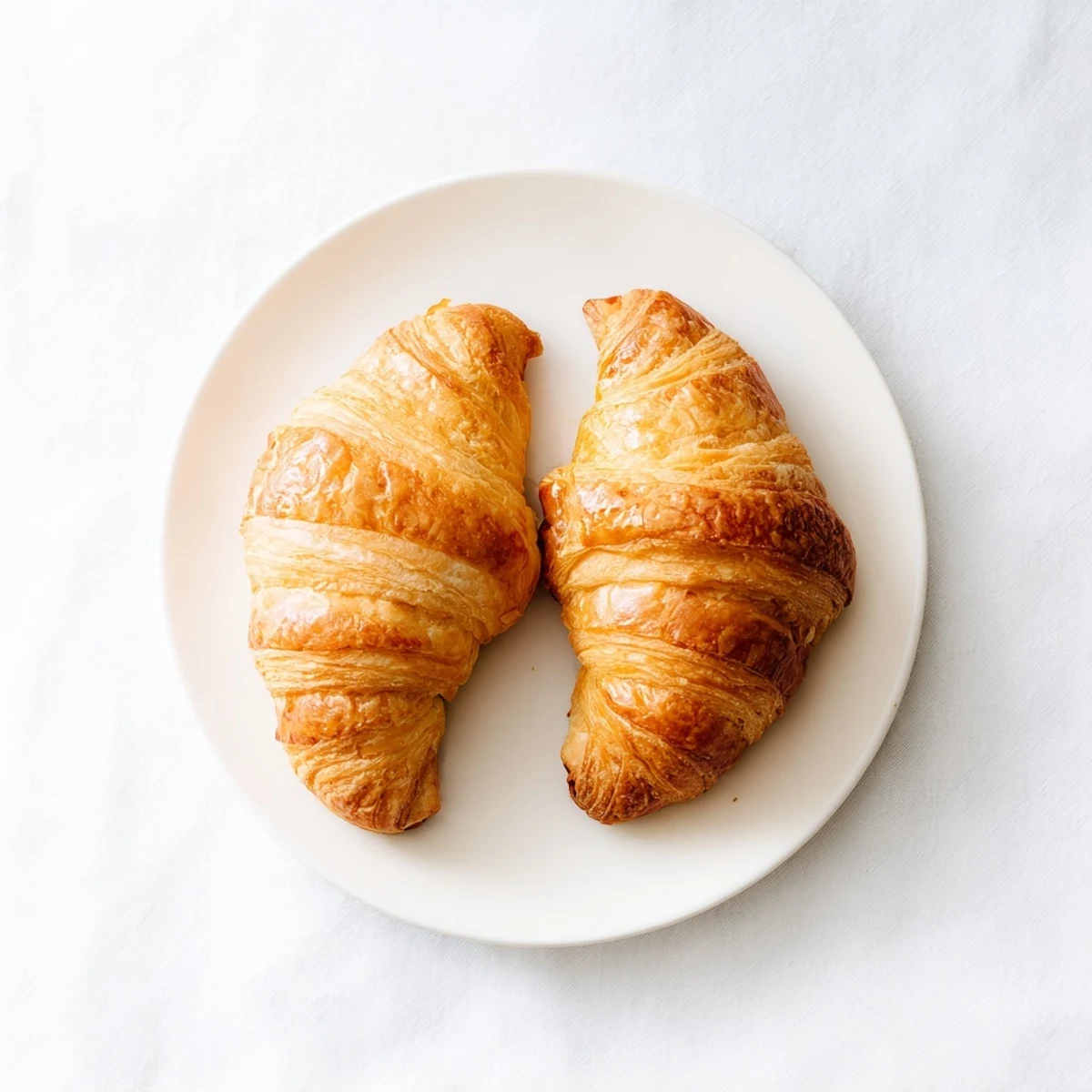
Save Master the art of laminated dough with this streamlined air fryer approach. The process creates multiple butter layers through strategic folding and chilling, resulting in that signature flaky texture. While traditional methods require extensive technique, this version adapts classic French croissant-making for home kitchens using familiar appliances.
The dough develops through a series of rolling and folding cycles, creating the honeycomb interior structure that makes croissants irresistible. The air fryer provides consistent heat circulation, ensuring even golden-brown exteriors while maintaining tender, fully cooked interiors.
Plan ahead as the dough requires chilling periods between laminations—these rest times are crucial for proper layer formation. The final rise transforms the triangular shapes into puffy, golden pastries with distinctive crescent shapes. Fresh from the air fryer, they offer that irresistible combination of crisp, shattering exterior and tender, buttery interior that defines exceptional croissants.
The smell of baking butter filling our tiny apartment at 6am remains one of my favorite kitchen memories. My roommate stumbled out of her bedroom, half-asleep but fully awake once she realized what was happening. We ate three warm croissants standing up in the kitchen, burning our fingers and not caring one bit.
Last winter, I made these for my sisters birthday brunch. She took one bite, closed her eyes, and whispered, Where have these been all my life. Now theyre requested at every family gathering, and I happily oblige because the look on everyones faces when they emerge golden from the air fryer never gets old.
Ingredients
- All-purpose flour: The protein structure here creates those signature layers, so bread flour would make them too tough
- Active dry yeast: Warm milk wakes it up properly, and watching it foam is your first sign that magic is happening
- Cold butter block: This absolute must stay cold or your layers will merge into one sad flat bread
- Egg wash: The difference between pale pastry and that gorgeous golden brown we all crave
Instructions
- Wake up the yeast:
- Dissolve it in warm milk with a teaspoon of sugar, then give it exactly 5 minutes to get bubbly and alive.
- Build your dough:
- Mix flour, remaining sugar, and salt, then add melted butter, egg, and that happy yeast mixture. Knead until smooth, form a ball, and let it chill for 1 hour.
- Prepare the butter block:
- Pound cold butter between parchment paper into a perfect 6x6 inch square and keep it chilled.
- First fold:
- Roll dough into a 12x12 square, nestle the butter in the center, and fold dough over it like youre tucking it in tight.
- Create layers:
- Roll into a 16x8 rectangle, fold into thirds, turn, roll, and fold again. Chill for 30 minutes and repeat this dance one more time.
- Shape them up:
- Roll dough into 16x10, cut 8 triangles, and roll each from wide end to tip. Let them rise until puffy, about 1 to 2 hours.
- Air fry magic:
- Brush with egg wash and air fry at 320°F for 8 to 10 minutes until golden. Work in batches so they have room to breathe.
 Save
Save My dad now calls me every time he attempts these, usually from his kitchen covered in flour and panic. The last batch he made wasnt pretty, but he sent me a photo anyway, grinning like hed just won a gold medal. Thats what homemade food does.
Mastering the Laminations
The rolling and folding creates those magical layers, but rushing this step is where most people stumble. Keep everything cold, work deliberately, and embrace the process. I set a timer for my chilling periods because excitement makes me impatient.
Getting the Rise Right
Your croissants need a warm, draft-free spot to puff up beautifully. I turn my oven light on and place the tray inside—its gentle warmth creates the perfect proofing environment without being too hot.
Serving and Storage Secrets
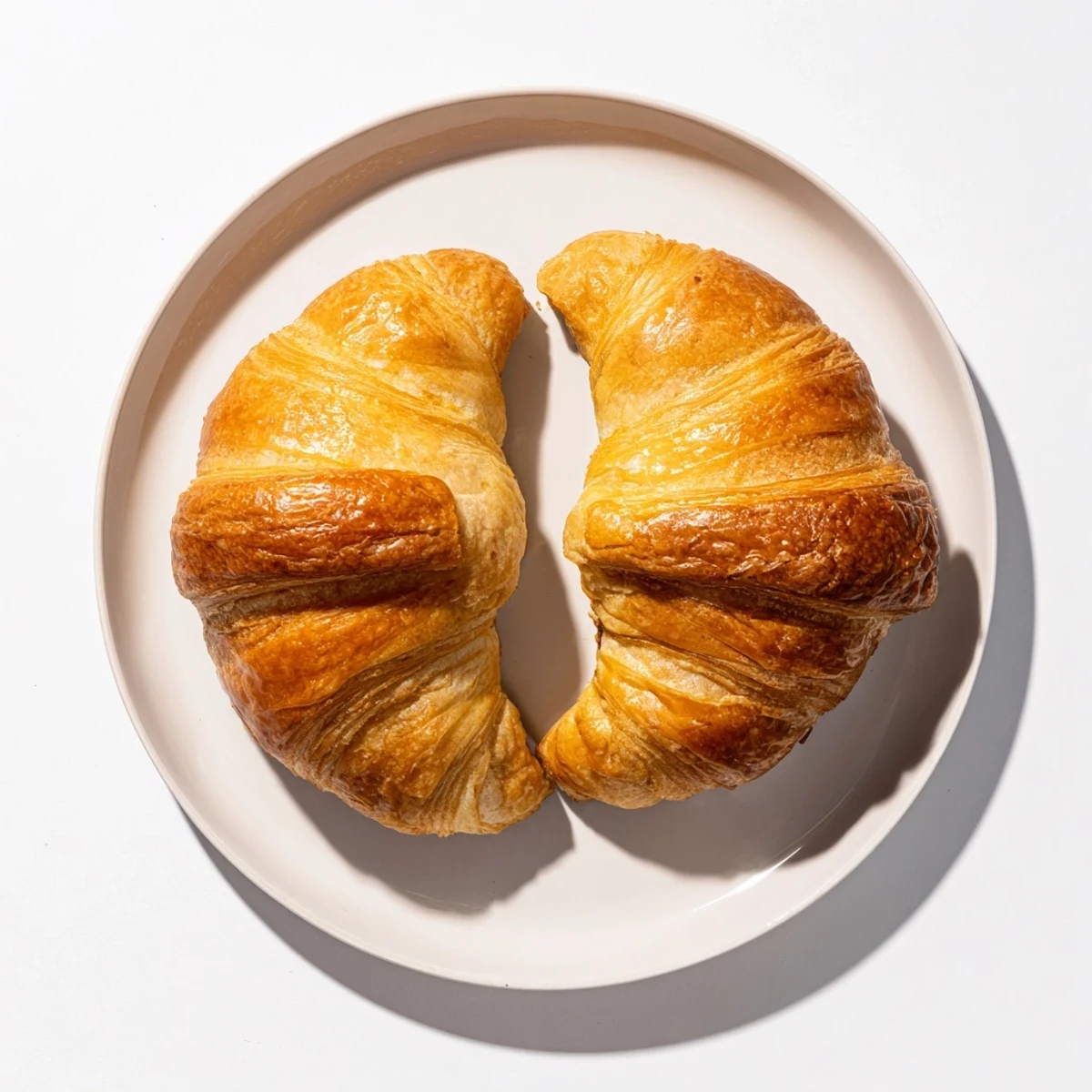
Fresh from the air fryer is absolute perfection, but life happens sometimes. Reheat leftovers at 300°F for just 2 to 3 minutes and theyll come back to life remarkably well.
- Add chocolate before rolling for pain au chocolat vibes
- Ham and cheese make them a complete meal
- Serve with good butter and jam for simple bliss
 Save
Save Theres something deeply satisfying about turning flour, butter, and time into something this extraordinary. Your kitchen will smell like a French bakery, and honestly, that might be the best part.
Recipe FAQs
- → Why do croissants need so much chilling time?
-
Chilling keeps the butter firm during rolling and folding. If the butter softens, it will blend into the dough instead of creating separate layers. These cold butter layers are what produce the signature flaky texture when baked, making the rest periods essential for proper lamination.
- → Can I use margarine instead of butter?
-
Butter is strongly recommended for authentic flavor and proper lamination. Margarine has different fat content and melting properties that can affect layer formation and texture. The rich, buttery taste is fundamental to classic croissants, and substituting may compromise both flavor and texture.
- → How do I know when the croissants are fully proofed?
-
Properly proofed croissants will feel puffy and light when gently touched. They should increase noticeably in size and have a slightly jiggly appearance. The dough should not spring back quickly when pressed with a finger. This process typically takes 1-2 hours in a warm, draft-free spot.
- → What temperature should the milk be for the yeast?
-
Warm milk around 110°F (43°C) is ideal—comfortably warm to the touch but not hot. Temperatures above 120°F can kill the yeast, while liquid below 95°F may not activate it effectively. The yeast mixture should become foamy within 5 minutes, confirming it's active and ready to use.
- → Can I freeze the dough before baking?
-
Yes, after shaping and before the final rise, you can freeze croissants. Place them on a baking sheet until firm, then transfer to a freezer bag. When ready to bake, thaw overnight in the refrigerator, let rise at room temperature until puffy, then air fry as directed. This allows you to prepare fresh-baked treats on demand.
- → Why is my croissant dough not developing layers?
-
Layer issues typically stem from incorrect temperature or over-handling. If the butter gets too warm, it merges with the dough rather than staying separate. Ensure thorough chilling between folds and work quickly during rolling. Consistent thickness when rolling also helps achieve even layers throughout the pastry.