 Save
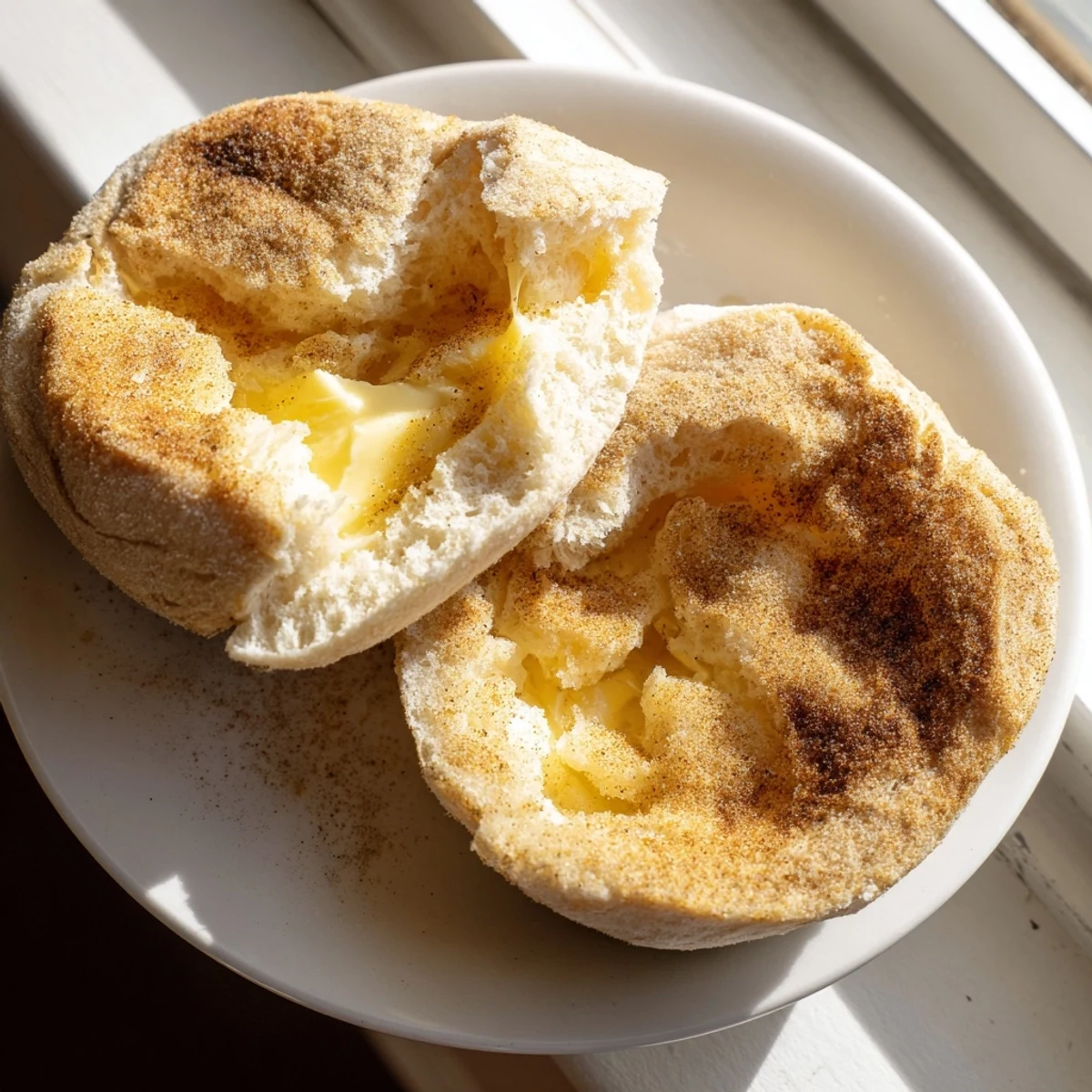
Save Create bakery-worthy English muffins at home with this classic British technique. The dough combines bread flour, milk, yeast, and butter, then gets dusted with cornmeal for that distinctive crunchy coating. After rising, cut into rounds and cook on a griddle until golden brown. The key is low-medium heat to ensure centers cook through without burning the exterior. Split with a fork to preserve those iconic nooks and crannies, then toast until warm and crisp.
There's something almost magical about the smell of yeast blooming in warm milk, that quiet promise that something wonderful is about to happen in your kitchen. I started making English muffins on a rainy Sunday when the bakery was closed and I was craving that perfect breakfast sandwich experience. Now they've become a weekend ritual I honestly look forward to all week.
My sister visited last winter and we made a batch together, standing in the kitchen while snow fell outside. She kept peeking at the skillet asking if they were done yet, that delicious anticipation filling the room. When we finally sat down with warm buttered muffins and hot coffee, she declared it better than any London cafe we had visited together.
Ingredients
- Bread flour: Higher protein content gives these muffins their signature chew and structure
- Whole milk: Creates a tender crumb and richer flavor than water
- Active dry yeast: Makes the dough rise beautifully with that classic fermented tang
- Granulated sugar: Feeds the yeast and adds just a hint of sweetness to balance the salt
- Fine sea salt: Essential for flavor development and structure
- Unsalted butter: Adds richness and helps create that tender texture
- Cornmeal or semolina: The secret to that classic crunchy exterior and restaurant style finish
Instructions
- Wake up the yeast:
- Stir yeast and sugar into lukewarm milk and let it bubble for 5 to 10 minutes until foamy and alive
- Mix the dough:
- Combine flour and salt in a large bowl, make a well, pour in the yeast mixture and melted butter, then stir until shaggy
- Knead until smooth:
- Work the dough on a floured surface for 8 to 10 minutes until it feels silky and elastic like a fresh pillow
- Let it rise:
- Place dough in an oiled bowl, cover, and let it double in a warm spot for about an hour
- Shape the muffins:
- Roll dough to 3/4 inch thickness and cut circles with a 3 inch round cutter, rerolling scraps gently
- Dust and proof:
- Set muffins on cornmeal dusted baking sheets, sprinkle tops with more cornmeal, and let puff for 25 to 30 minutes
- Cook to golden:
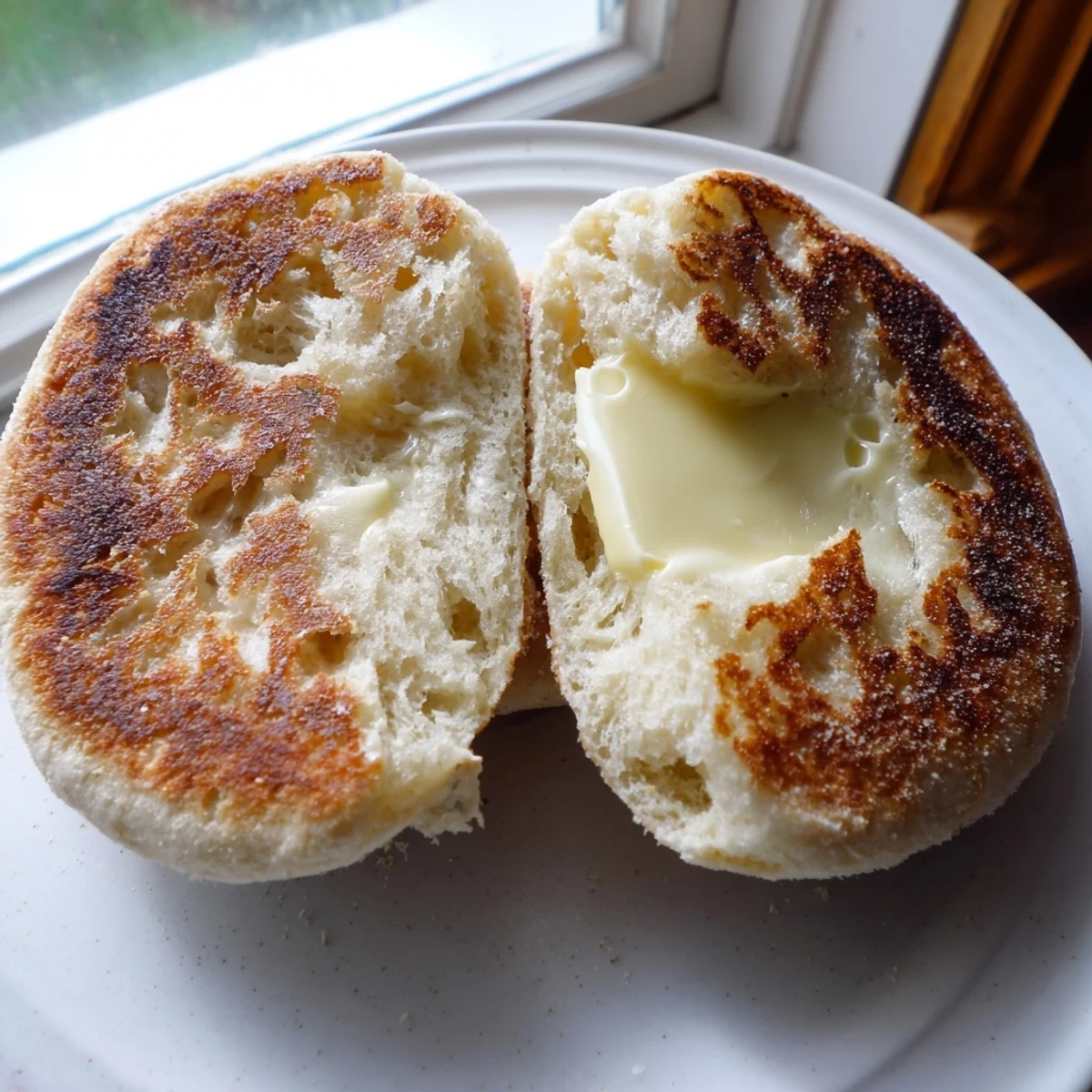
- Cook in batches on a lightly greased skillet over medium low heat for 7 to 9 minutes per side until deeply golden and cooked through
 Save
Save Last month my toddler helped me make them, his small hands dusting cornmeal with enthusiastic abandon. The kitchen was covered in flour but his face when he took that first bite of the muffin he helped create was absolutely worth every mess.
Getting That Perfect Rise
Patience during the proofing stage really pays off with these muffins. I have learned that rushing this step gives you dense disappointing results. Let them rest in a warm draft free spot until they look puffy and alive.
The Fork Splitting Secret
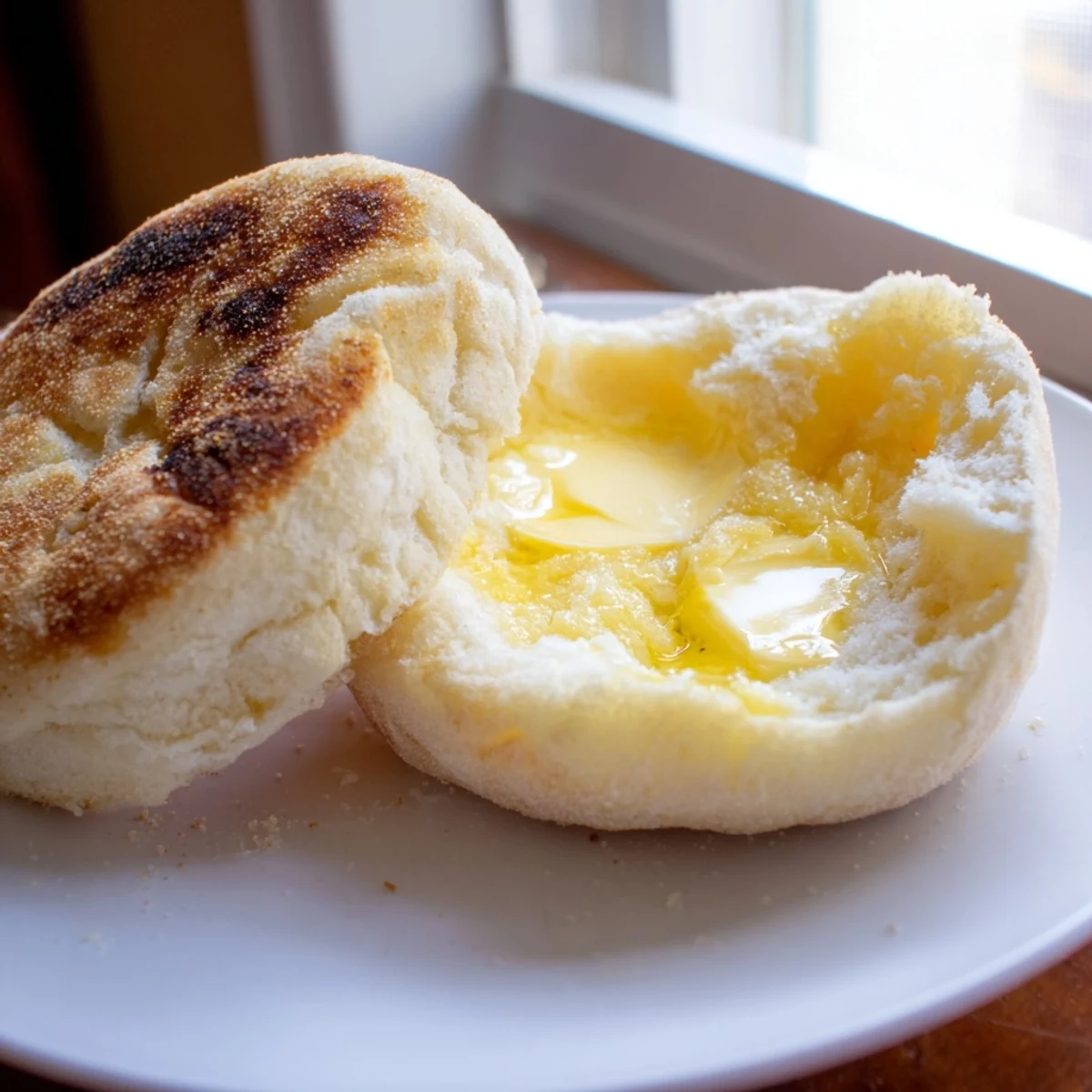
Using a fork to split your muffins instead of a knife creates those rough craggy surfaces that butter loves to melt into. Simply pierce the circumference all around and gently pull apart. This small technique makes such a difference in the final eating experience.
Make Ahead and Storage
These muffins are incredibly freezer friendly and actually taste better after a quick toast from frozen. I always make a double batch and keep some stashed away for busy weekday mornings.
- Wrap cooled muffins individually in plastic wrap before freezing
- Toast straight from frozen for best texture
- Room temperature storage works for up to three days
 Save
Save There is nothing quite like pulling warm English muffins from your own skillet. Every bite reminds me why homemade is always worth the effort.
Recipe FAQs
- → Why split English muffins with a fork?
-
Using a fork to split muffins preserves the signature nooks and crannies that create extra surface area for butter and jam. A knife compresses these air pockets, reducing texture.
- → Can I make these without cornmeal?
-
Yes, you can use semolina, flour, or even skip the dusting entirely. Cornmeal provides traditional texture and prevents sticking, but alternatives work well.
- → How do I know when muffins are fully cooked?
-
The internal temperature should reach 200°F (93°C). Visually, both sides should be deeply golden brown, and the muffins should feel firm when pressed.
- → Can I bake these instead of using a griddle?
-
While griddling is traditional for that classic exterior, you can bake at 375°F for 15-20 minutes. The texture will be slightly different—less crusty but still delicious.
- → How should I store homemade English muffins?
-
Keep at room temperature in an airtight container for 3 days, or freeze for up to 2 months. Slice before freezing and toast directly from frozen.
- → What makes these different from store-bought?
-
Homemade muffins have superior texture—lighter, airier interiors with authentic nooks and crannies. Plus, no preservatives or artificial ingredients, and they freeze beautifully.