
 Save
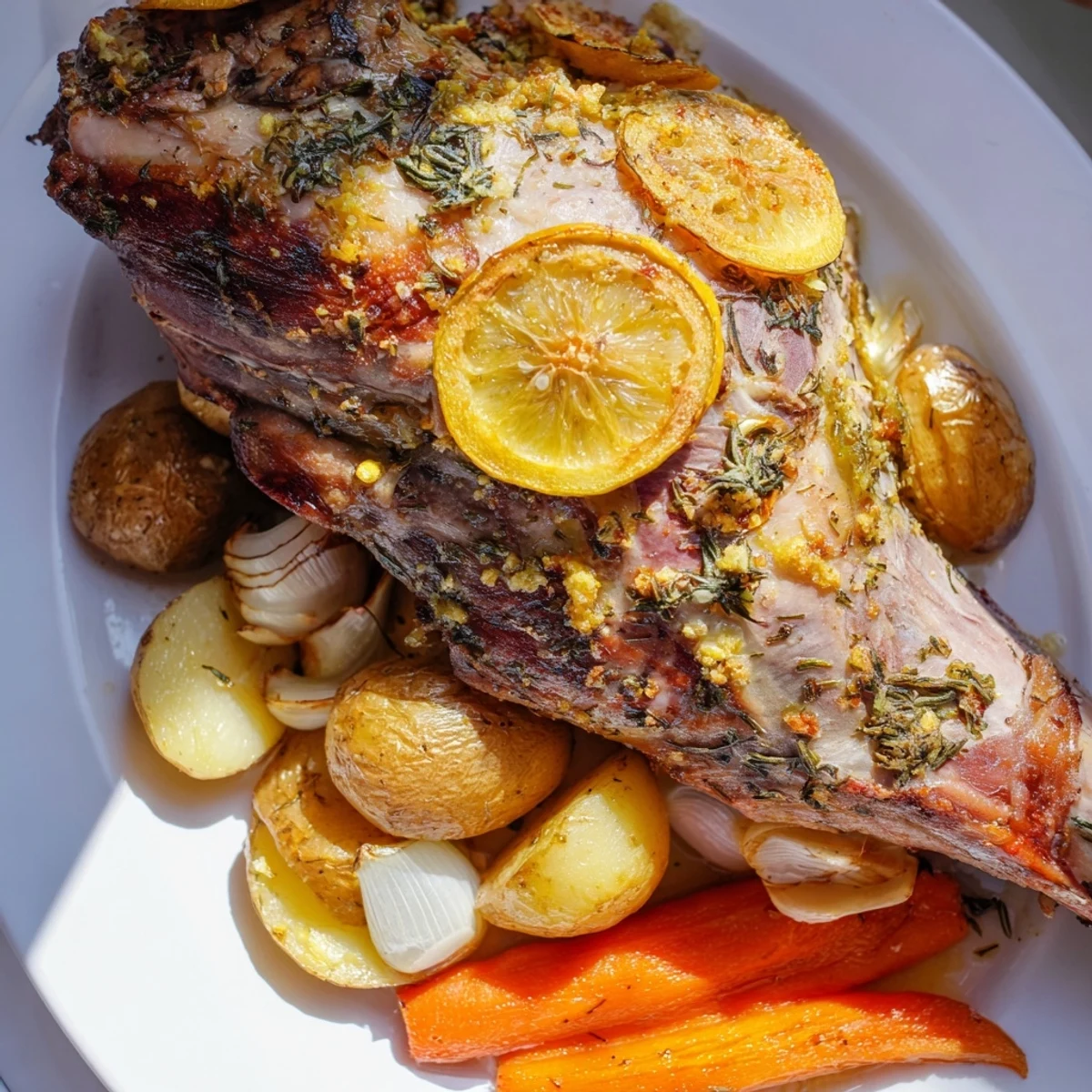
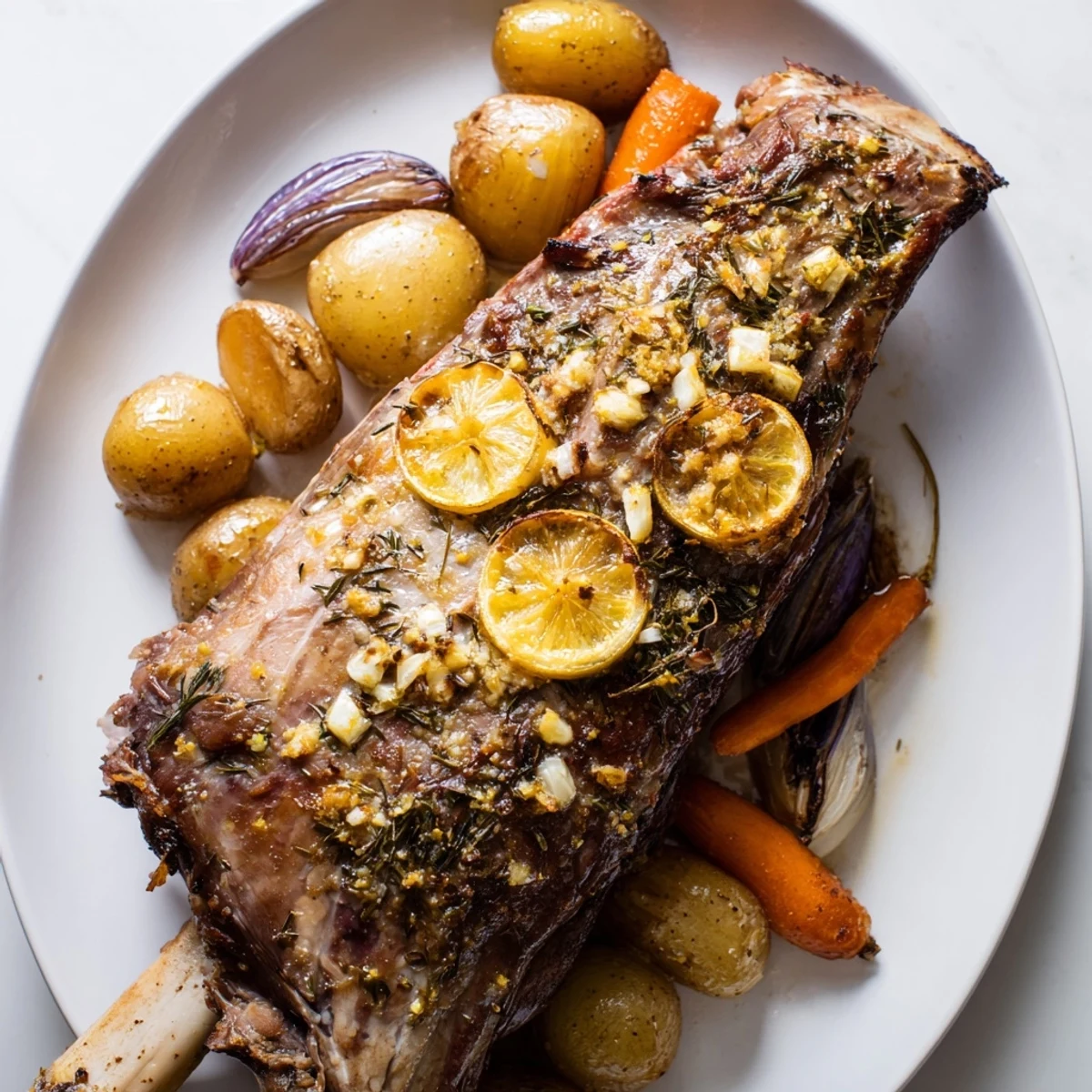
Save This slow roasted leg of lamb is infused with bright lemon zest, aromatic oregano, and fragrant garlic for a deep, savory flavor. Marinated and cooked low and slow, the lamb becomes golden and tender with a succulent texture. Surrounding root vegetables and broth create a rich pan jus that adds moisture and complements the meat. Perfect for a leisurely dinner, it offers Mediterranean-inspired layers of taste balanced by fresh herbs and citrus.
There's something deeply satisfying about the smell of slow-roasting lamb filling the entire house. My Greek neighbor Maria taught me that patience is the secret ingredient, and she was absolutely right. This recipe became my go-to for Easter Sunday after my first attempt turned out so incredibly tender that my brother-in-law asked for seconds three times.
I remember cooking this for my father's 60th birthday celebration. He'd spent years complaining that restaurant lamb was always overcooked and tough. Watching his face light up with that first bite, seeing him actually put down his knife and eat with just his fork, that was the moment this recipe earned its permanent place in my collection.
Ingredients
- 1 bone-in leg of lamb (about 2 kg/4.5 lbs), trimmed: The bone adds incredible depth to the pan juices and helps the meat cook more evenly, plus it looks impressive at the table
- 4 cloves garlic, minced: Fresh garlic melts into the meat's natural crevices, creating pockets of aromatic flavor throughout
- Zest and juice of 2 lemons: The acid cuts through the richness while zest provides bright, aromatic oils that perfume the entire roast
- 2 tbsp fresh oregano leaves, chopped (or 2 tsp dried oregano): Oregano's earthy, slightly peppery flavor pairs perfectly with lamb, though fresh herbs really do make a noticeable difference
- 3 tbsp olive oil: Helps the marinade cling to the meat and promotes beautiful browning during the final high-heat roast
- 1 tbsp sea salt: Don't be tempted to reduce this, proper seasoning is crucial for such a large cut of meat
- 1 tsp freshly ground black pepper: Freshly ground provides more complex heat than pre-ground pepper
- 1 kg baby potatoes, halved: Baby potatoes hold their shape better during long cooking and develop lovely crispy edges
- 2 large onions, cut into thick wedges: They caramelize beautifully and provide natural sweetness to balance the lamb
- 2 carrots, cut into large chunks: Large chunks won't turn to mush during the long roasting time
- 250 ml low-sodium chicken or vegetable broth: Creates steam and keeps everything moist while forming the base for pan juices
- 125 ml dry white wine (optional): Adds subtle complexity and acidity, though the dish works perfectly without it
Instructions
- Preheat and prepare the lamb:
- Set your oven to 150°C (300°F) and pat the leg of lamb thoroughly dry with paper towels. Place it in a large roasting pan, fat side up, and use a sharp knife to make small shallow cuts all over the surface, which will help the marinade penetrate deeper.
- Create the aromatic marinade:
- In a small bowl, combine the minced garlic, lemon zest, lemon juice, chopped oregano, olive oil, sea salt, and black pepper. Whisk until everything is well incorporated and the mixture smells bright and fragrant.
- Massage the marinade into the meat:
- Rub the marinade generously all over the lamb, working it into the crevices and incisions you made earlier. Use your hands to really massage it in, getting the mixture into every nook and cranny for maximum flavor penetration.
- Arrange the vegetables around the lamb:
- Scatter the halved baby potatoes, onion wedges, and carrot chunks around the lamb in the roasting pan. Toss them lightly so they're coated in any leftover marinade that's dripped off the meat.
- Add the cooking liquids:
- Pour the chicken or vegetable broth and white wine (if using) into the bottom of the pan around the vegetables. Be careful not to pour directly over the lamb or wash off the marinade you just applied.
- Cover and begin the slow roast:
- Cover the roasting pan tightly with aluminum foil, crimping the edges to seal in all the moisture. Roast for 2.5 hours, during which time your kitchen will fill with incredible aromas.
- Uncover and finish with high heat:
- Remove the foil and increase your oven temperature to 200°C (400°F). Return the pan to the oven and roast uncovered for 30 minutes, until the lamb is golden brown and the vegetables are caramelized at the edges.
- Rest before carving:
- Let the lamb rest, loosely covered with foil, for 15 minutes before carving. This crucial step allows the juices to redistribute throughout the meat, ensuring every slice remains moist and tender.
 Save
Save Last Christmas, my usually skeptical teenage nephew took one bite and announced this was better than any restaurant meal he'd ever had. Watching generations around the table, all reaching for seconds, all conversation pausing for that moment of pure enjoyment, that's what cooking is really about.
The Secret to Perfect Doneness
I've learned that every oven is different and every piece of meat has its own personality. After years of relying on timing alone, I finally invested in a good meat thermometer. It takes all the guesswork out of the equation and ensures consistent results every single time. The difference between perfectly tender and disappointingly dry is often just those few degrees.
Making the Most of Pan Juices
Those flavorful juices at the bottom of the pan are liquid gold, packed with concentrated lamb flavor and caramelized vegetable goodness. I always strain them into a small saucepan and simmer them gently while the meat rests, skimming off any excess fat. Sometimes I whisk in a bit of butter for extra richness, creating an effortless sauce that makes everyone ask for the recipe.
Planning Ahead and Leftovers
The beauty of this dish is that it actually benefits from being made ahead. You can prepare everything up to the final high-heat roast a day in advance, then just uncover and finish when you're ready to serve. The leftovers, if you have any, make incredible sandwiches with some tzatziki and fresh mint.
- Wrap any leftover lamb tightly and refrigerate within two hours of cooking
- The flavors actually deepen overnight, making it perfect for meal prep or next-day lunches
- Consider making lamb Shepherd's pie with leftover meat and vegetables for a completely different meal
 Save
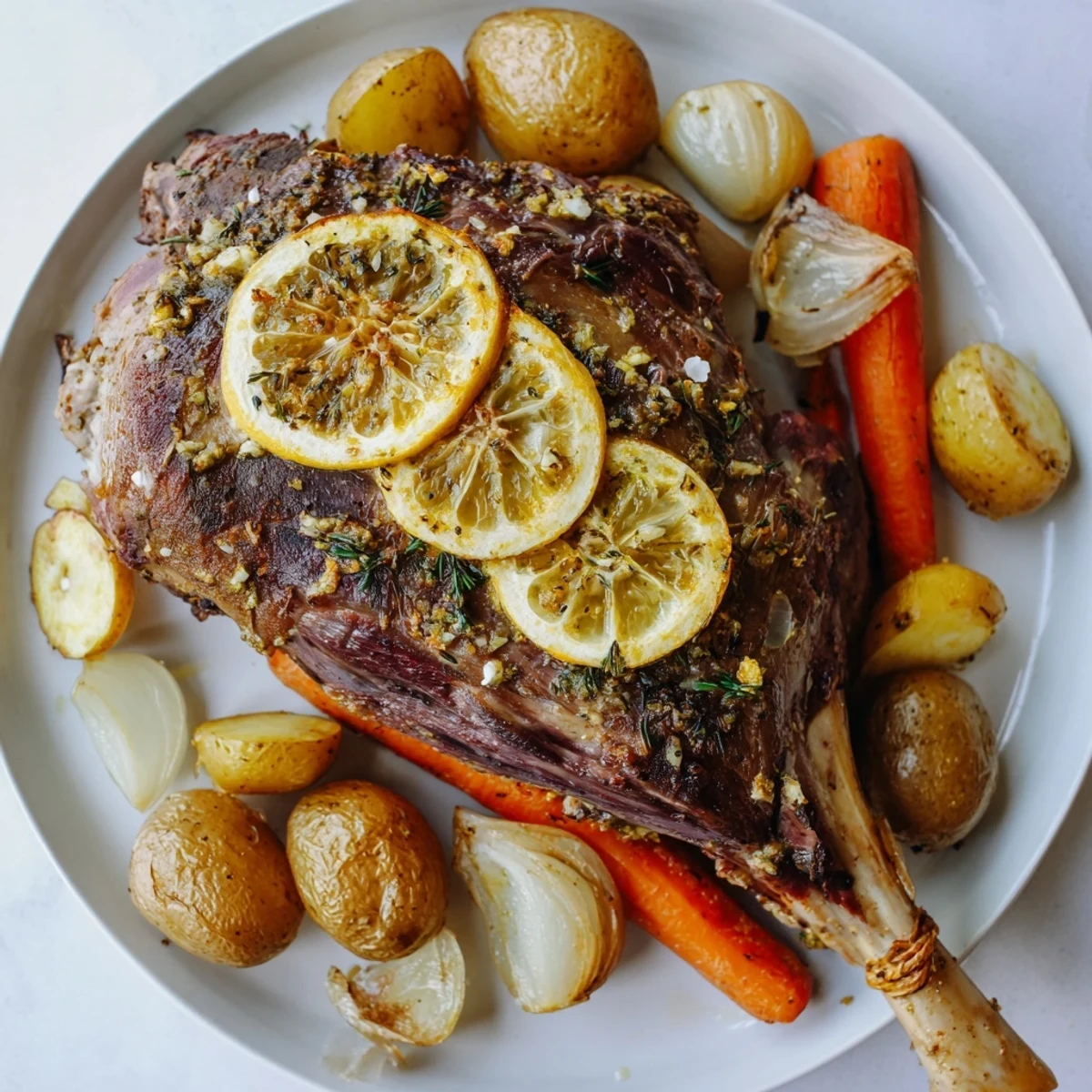
Save There's nothing quite like gathering around a table with a beautifully roasted leg of lamb as the centerpiece. The conversation always seems to flow a little easier, the wine tastes a little better, and the memories made last long after the last bite is gone.
Recipe FAQs
- → How do I ensure the lamb stays tender?
-
Marinating the lamb and cooking it at a low temperature for several hours helps break down tough fibers, resulting in tender, juicy meat.
- → Can I use dried oregano instead of fresh?
-
Yes, dried oregano works well but use less—about one-third the amount—to avoid overpowering the dish.
- → What is the purpose of adding lemon juice and zest?
-
Lemon zest and juice brighten the flavor, balancing the richness of the lamb and enhancing the herbal notes of oregano.
- → Should I cover the lamb while roasting?
-
Covering with foil during the initial slow roasting keeps the meat moist, while uncovering at the end crisps the crust nicely.
- → What vegetables pair best with this dish?
-
Root vegetables like baby potatoes, onions, and carrots complement the slow roasted lamb by absorbing flavorful pan juices during cooking.