 Save
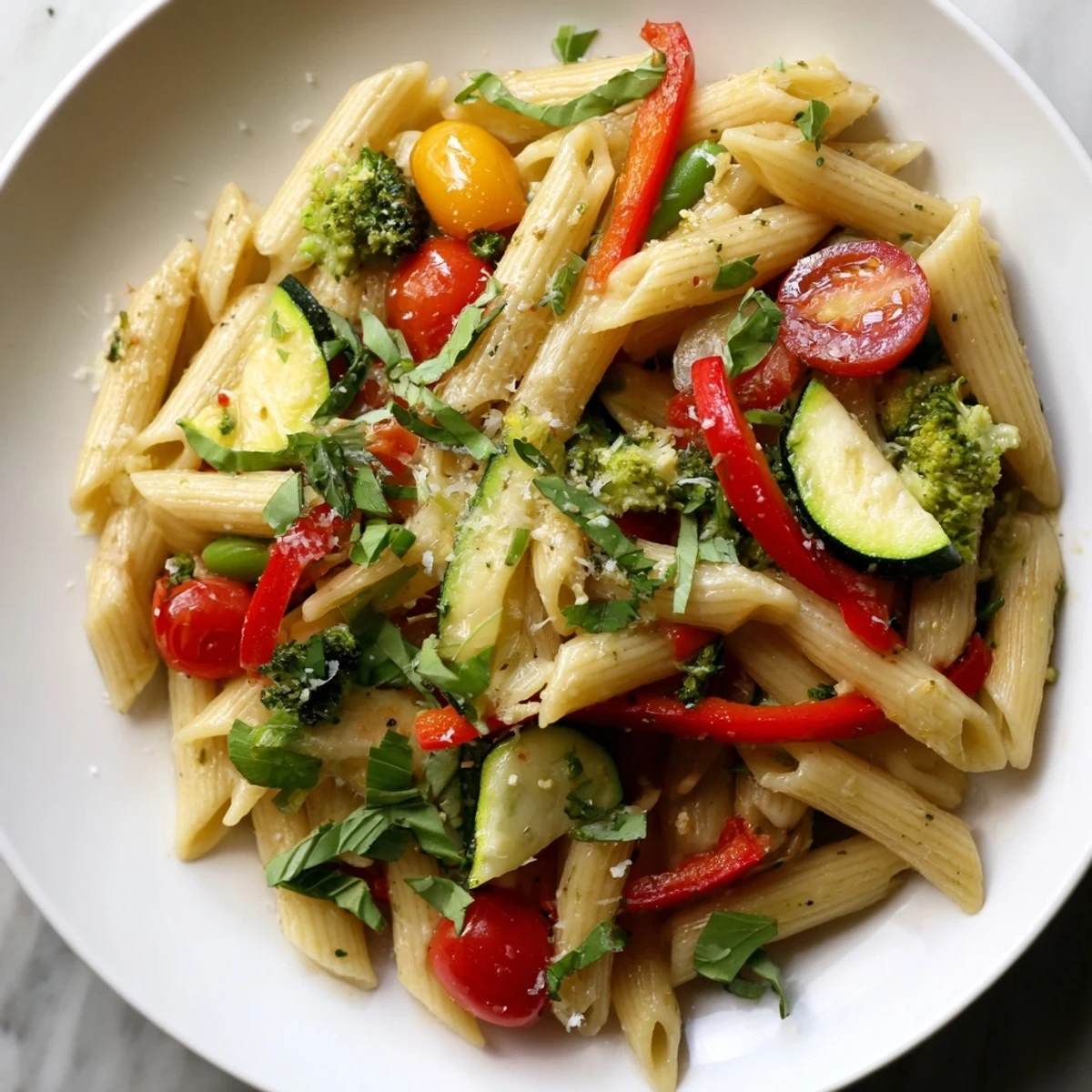
Save This beloved Italian dish combines perfectly cooked penne or spaghetti with an abundance of seasonal vegetables including zucchini, yellow squash, bell peppers, cherry tomatoes, sugar snap peas, and broccoli. The vegetables are sautéed until just tender, then tossed with the pasta in a light, aromatic sauce featuring garlic, extra virgin olive oil, lemon juice, and vegetable broth. Fresh basil and parsley add brightness, while Parmesan cheese brings a savory finish. The entire dish comes together in just 40 minutes, making it perfect for weeknight dinners or casual entertaining.
Last spring, my neighbor brought over a basket of vegetables from her garden and challenged me to make something beautiful with them. The colors were so vibrant that I couldn't bear to cook them into anything muddy or heavy. This pasta primavera became the answer, and now it's my go-to when I want something that looks as good as it tastes.
I made this for my sister's birthday dinner when she swore she was too busy for a proper meal. Watching her face light up when she saw all those colors in the bowl was better than any gift I could have bought. She asked for the recipe before she even finished her first serving.
Ingredients
- 400 g (14 oz) penne or spaghetti: Penne catches the sauce beautifully in those ridges, but spaghetti works wonderfully for twirling with vegetables
- 1 small zucchini, sliced: Slice them thin so they cook through without becoming mushy
- 1 small yellow squash, sliced: The yellow color adds such a beautiful contrast to the green zucchini
- 1 red bell pepper, julienned: Cutting them into thin strips makes them elegant and quick cooking
- 1 cup cherry tomatoes, halved: They burst slightly and release their juices into the sauce
- 1 cup sugar snap peas, trimmed: Leave them whole for the best crunch and visual appeal
- 1 cup broccoli florets: Cut them small so they finish cooking at the same time as other vegetables
- 3 tablespoons extra virgin olive oil: This is the foundation of your sauce, so use the good stuff
- 3 cloves garlic, minced: Fresh garlic makes all the difference here
- 1/2 teaspoon crushed red pepper flakes: Optional, but a lovely background warmth
- 1/2 cup vegetable broth: Creates a light sauce without heaviness
- Juice of 1 lemon: Brightens everything and ties the flavors together
- 1/4 cup grated Parmesan cheese: Plus more for serving because you always need more
- Salt and freshly ground black pepper: Season generously as you go
- 2 tablespoons fresh basil leaves: Tear the larger leaves for more surface area
- 2 tablespoons fresh parsley, chopped: Adds freshness and a beautiful garnish
Instructions
- Get your pasta water going first:
- Bring a large pot of salted water to a boil and cook pasta until al dente, then drain while remembering to reserve that precious half cup of pasta water
- Build your flavor foundation:
- Heat olive oil in a large skillet over medium heat, add garlic and red pepper flakes if using, and let it sizzle for just one minute until fragrant but not browned
- Start the harder vegetables:
- Add zucchini, squash, bell pepper, and broccoli to the skillet, sautéing for 4 to 5 minutes until they are just tender with a bit of crunch remaining
- Add the quick cooking vegetables:
- Toss in cherry tomatoes and sugar snap peas for another 2 to 3 minutes until the tomatoes start to look glossy and the peas turn bright green
- Create your light sauce:
- Pour in vegetable broth and lemon juice, letting everything simmer for 2 minutes while seasoning with salt and pepper to taste
- Bring it all together:
- Add the drained pasta to the skillet with Parmesan and a splash of that reserved pasta water, tossing vigorously to create a silky coating that clings to every piece
- Finish with fresh herbs:
- Stir in basil and parsley right at the end, then taste and adjust seasoning before serving immediately with extra Parmesan on the table
 Save
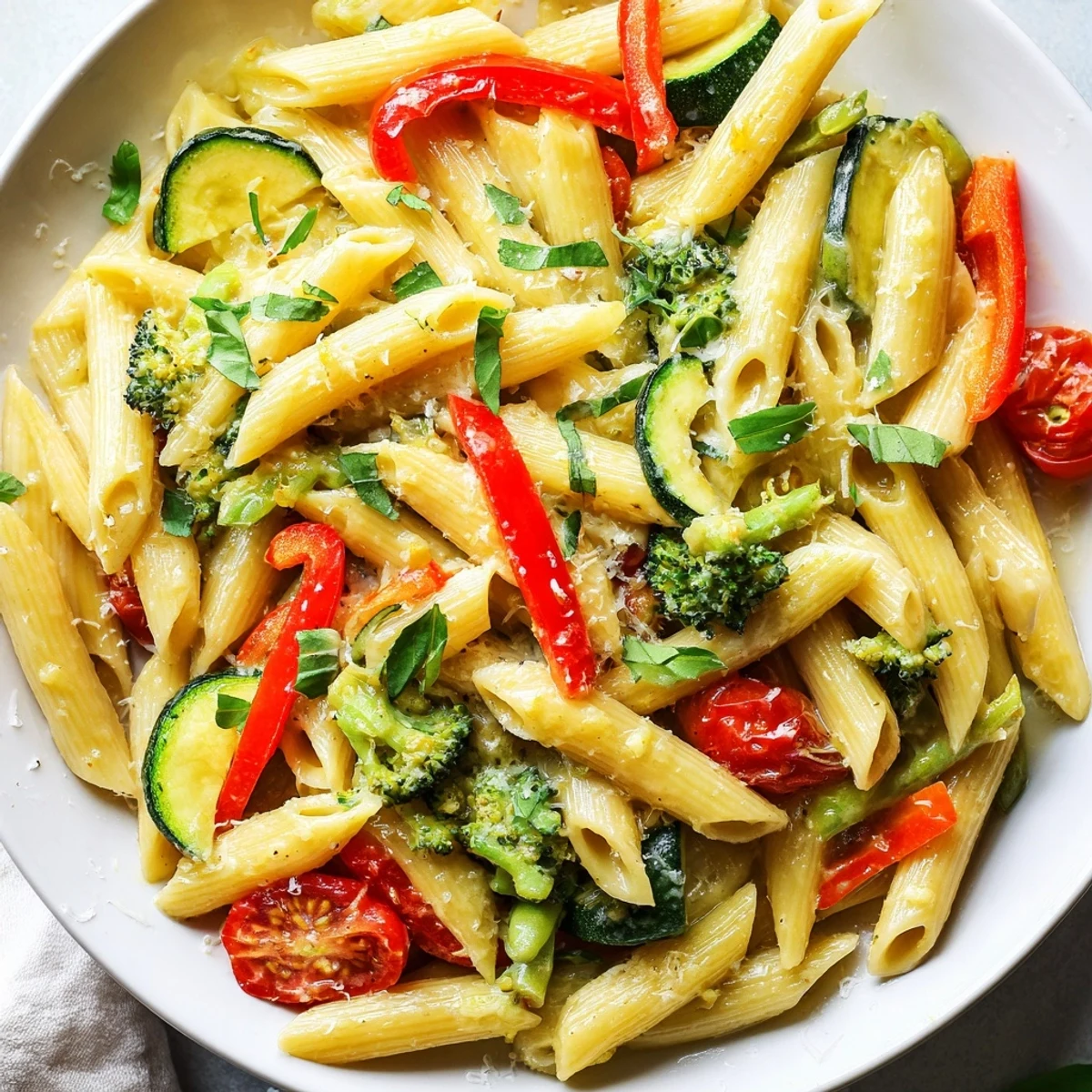
Save This recipe has become my secret weapon for potlucks because it travels well and always disappears first. Something about all those colors makes people feel like they're eating something special, even though it comes together so easily.
Choosing Your Vegetables
The beauty of primavera is that it celebrates whatever vegetables are fresh and available. In spring, I love adding asparagus and fresh peas, while summer calls for corn and fresh green beans. Trust your eyes at the market and grab whatever looks most vibrant.
Perfecting the Sauce
The sauce should be light and glossy, not heavy or creamy. If it feels too dry, add pasta water a tablespoon at a time until you reach the right consistency. The emulsion of olive oil, pasta water, and cheese creates something luxurious without any cream.
Making It Your Own
This recipe adapts beautifully to whatever you have on hand or need to avoid. You can add protein or keep it vegetarian, switch up the vegetables, or adjust the herbs to match what's growing in your garden.
- Try adding white wine instead of some broth for extra depth
- A handful of arugula wilts beautifully into the hot pasta at the end
- Keep some vegetables raw for maximum crunch and color contrast
 Save
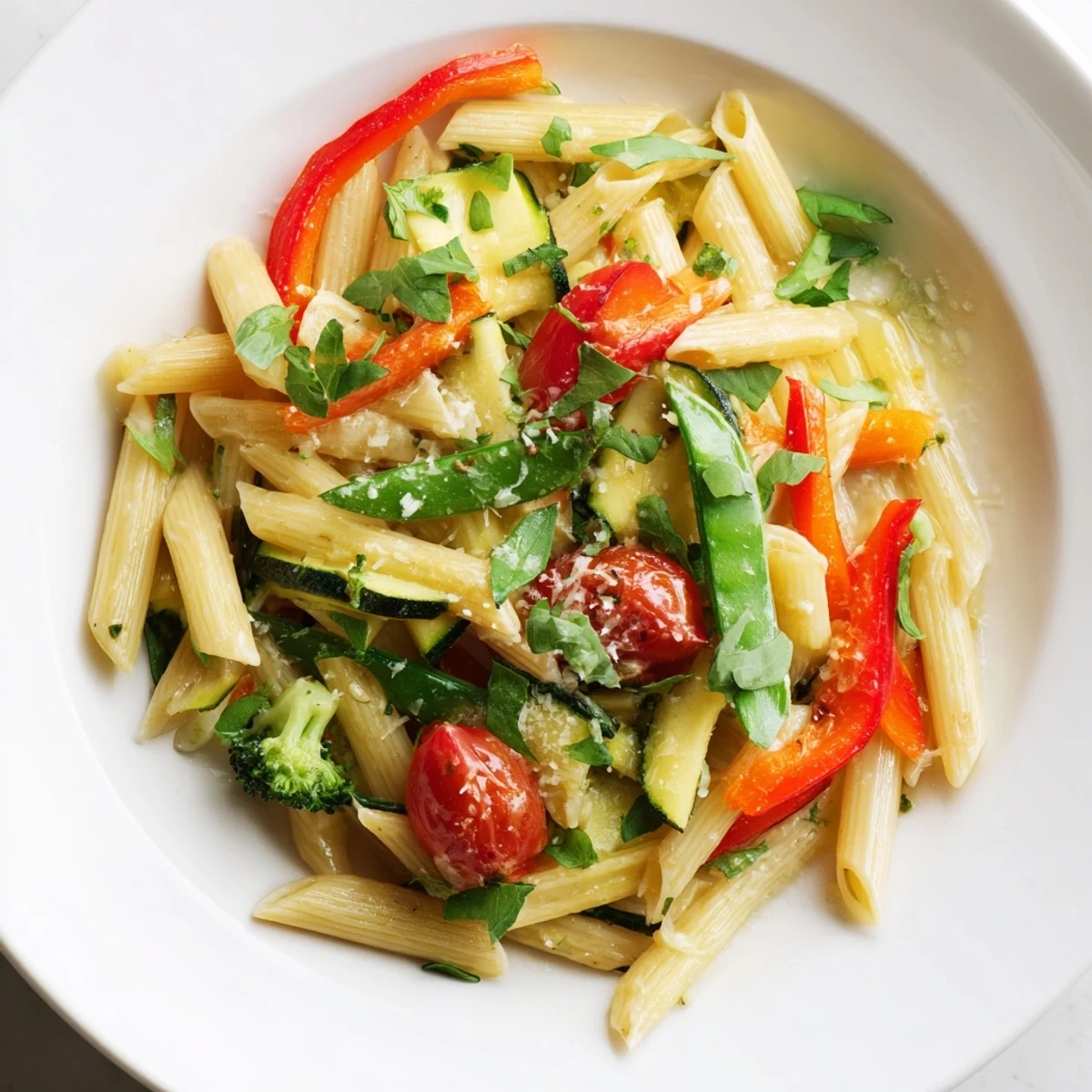
Save Theres something joyful about a bowl of pasta that looks like a garden exploded in the best possible way. I hope this brings as much color to your table as it has to mine.
Recipe FAQs
- → What vegetables work best in pasta primavera?
-
Spring vegetables like zucchini, yellow squash, bell peppers, cherry tomatoes, sugar snap peas, and broccoli are traditional. Feel free to swap in asparagus, green beans, or peas based on what's fresh and in season.
- → Can I make pasta primavera gluten-free?
-
Absolutely. Simply substitute regular pasta with your favorite gluten-free penne or spaghetti. The cooking time may vary slightly, so follow package instructions for best results.
- → How do I prevent the vegetables from becoming mushy?
-
Key is to not overcrowd the pan and to cook vegetables in stages. Start with harder vegetables like broccoli and peppers, then add softer vegetables like tomatoes and snap peas near the end. This ensures everything stays crisp-tender.
- → Can I add protein to make it more substantial?
-
Yes, grilled chicken, sautéed shrimp, or chickpeas make excellent additions. For vegetarian protein, try adding white beans or toasted pine nuts for extra texture and nutrition.
- → How long will leftovers keep?
-
Store in an airtight container in the refrigerator for up to 3 days. Reheat gently with a splash of water or olive oil to refresh the sauce. The pasta may absorb more liquid overnight, so adjust seasoning before serving again.
- → What wine pairs well with pasta primavera?
-
A crisp Pinot Grigio or Sauvignon Blanc complements the fresh vegetables and light sauce beautifully. For red wine lovers, a light Pinot Noir or Chianti works nicely without overpowering the dish.