
 Save
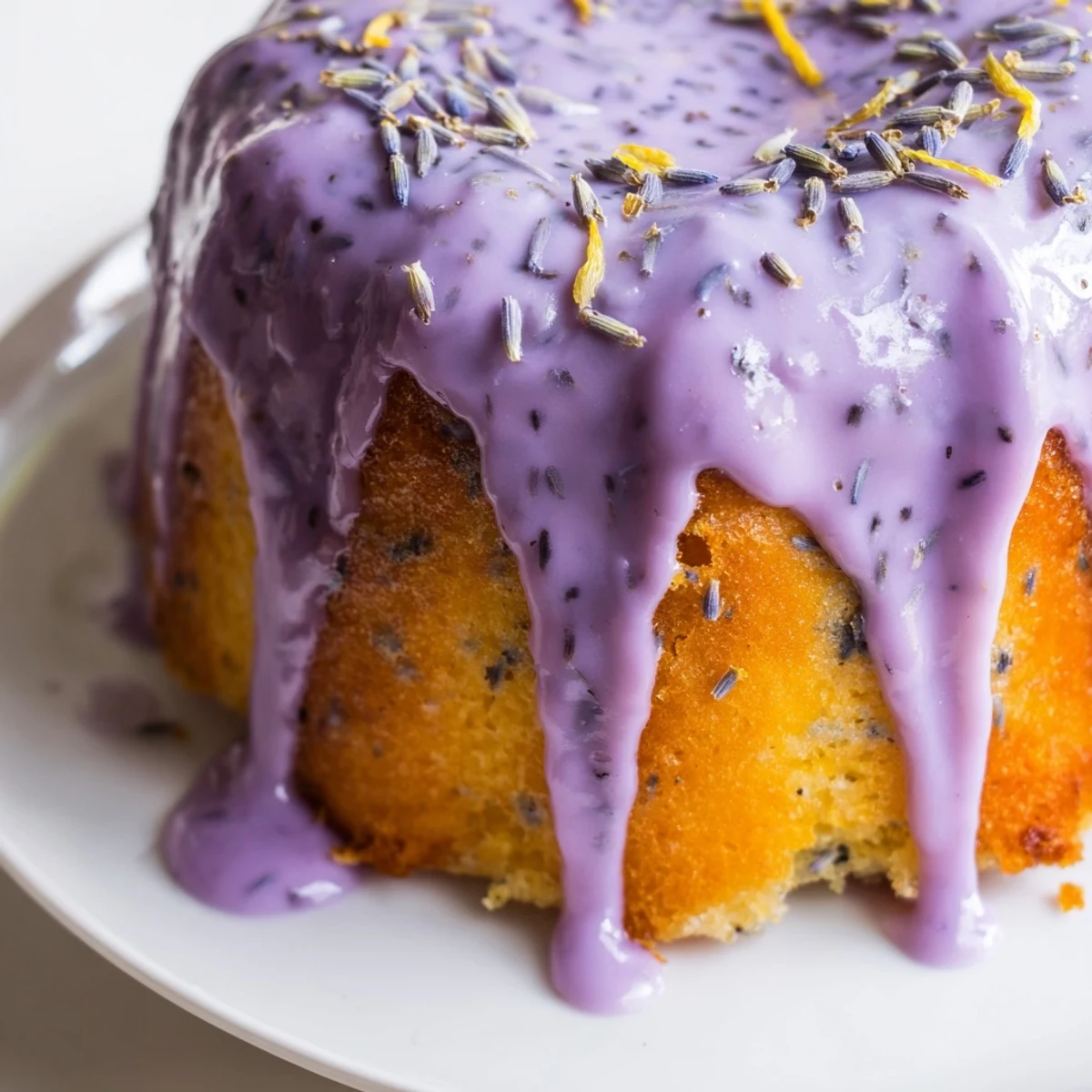
Save These delightful mini lemon cakes combine bright citrus flavors with aromatic lavender for a sophisticated dessert experience. The tender, moist crumb comes from perfectly creamed butter and sugar, while fresh lemon zest and juice provide vibrant tanginess throughout each bite.
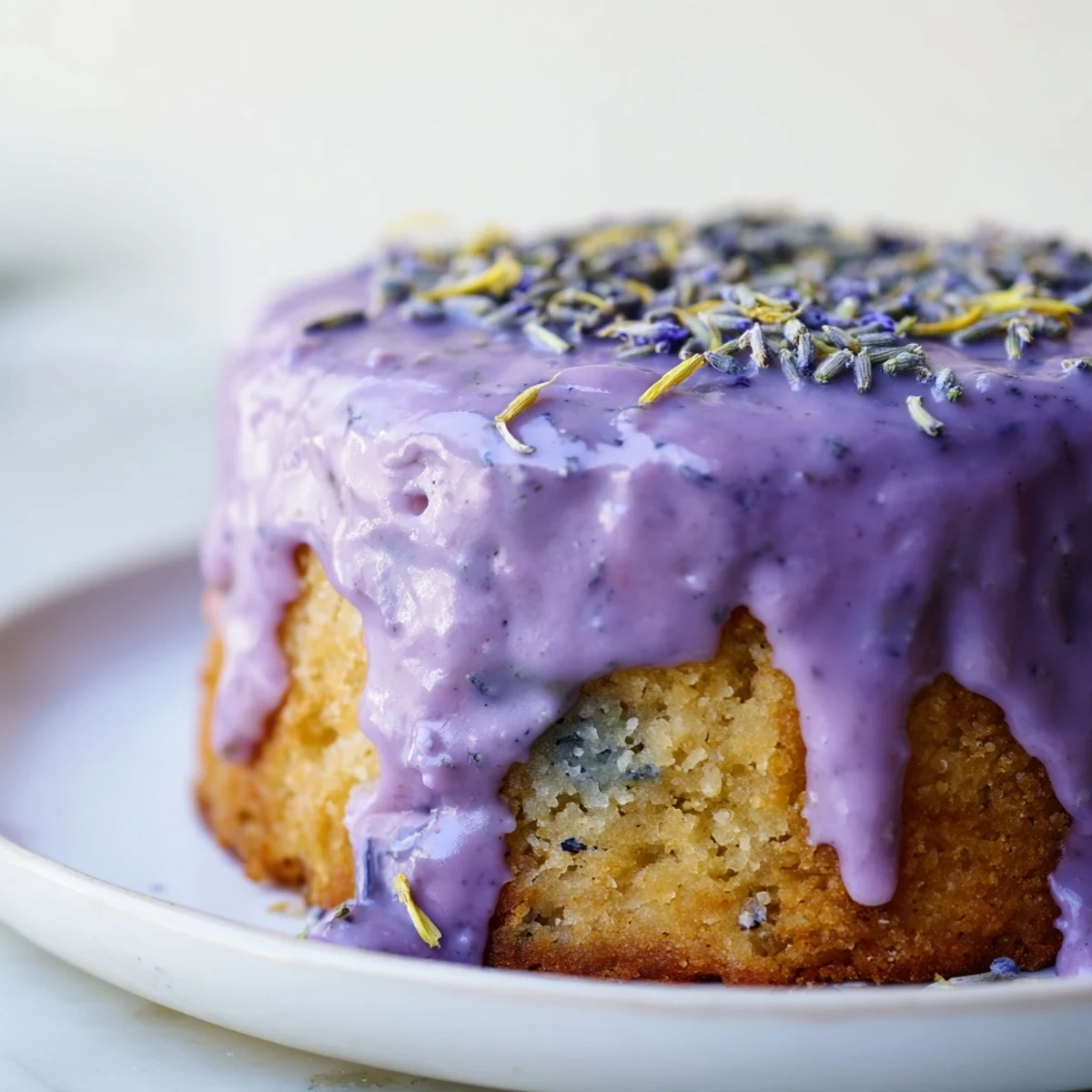
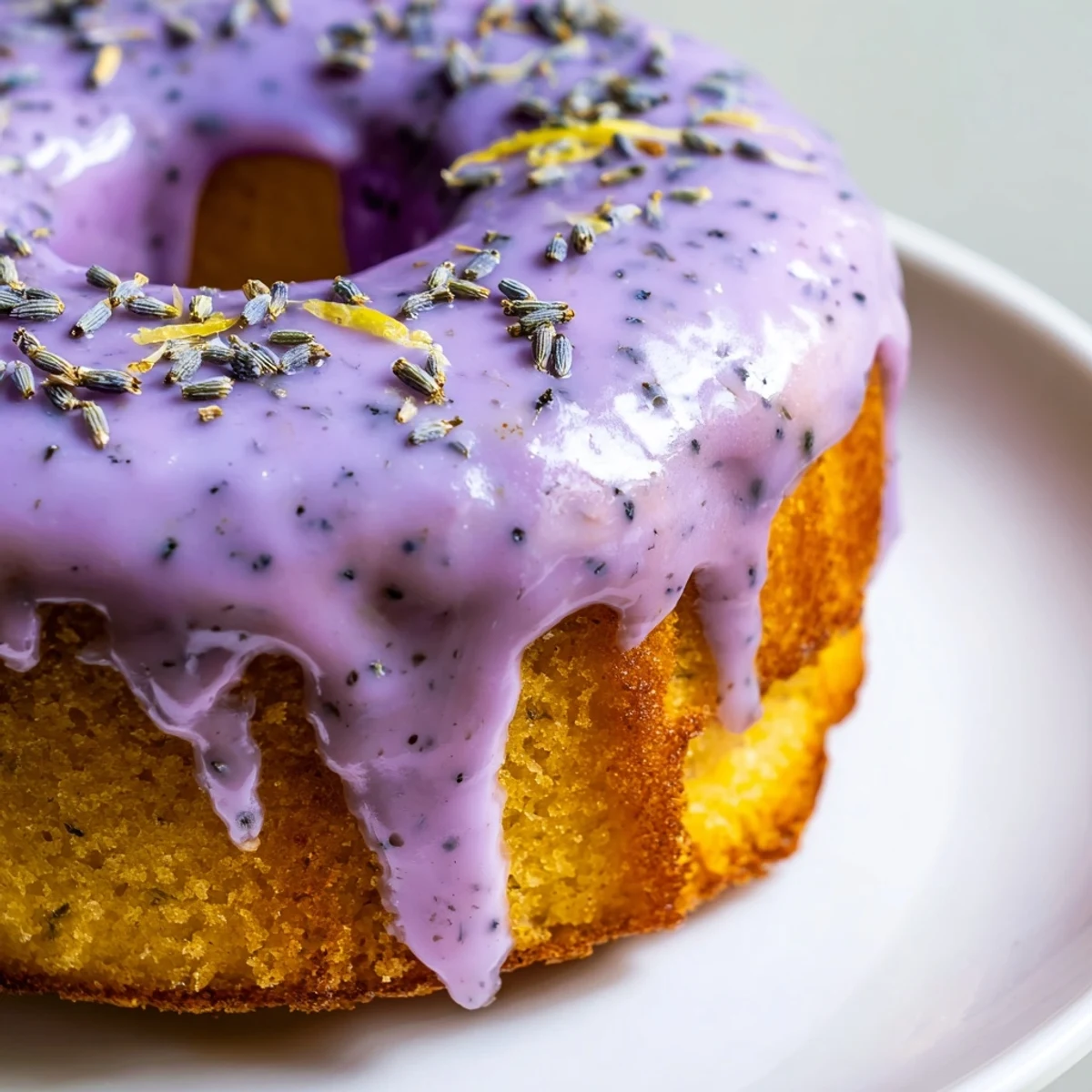
The signature lavender glaze adds a beautiful floral finish that complements the lemon beautifully. Created using culinary-grade dried lavender crushed into a smooth powdered sugar mixture, this fragrant topping transforms simple cakes into elegant treats perfect for brunches, tea parties, or special celebrations.
Each batch yields twelve individual portions, making them ideal for sharing. The technique involves alternating wet and dry ingredients to ensure proper texture, while careful glazing creates that signature dripped appearance. Garnish with additional lavender buds and lemon zest for restaurant-worthy presentation.
Last spring, I planted lavender along my garden path mostly for the scent, but one afternoon while baking lemon bars, I wondered what would happen if I brought those two worlds together. The first attempt was a disaster of bitter, soapy glaze, but once I learned to crush the lavender just enough to release its oils without overpowering everything, these mini cakes became the unexpected star of my cousin's bridal shower.
I brought a batch to my book club last month, and something magical happened around the third bite. The conversation shifted from the novel we were supposed to be discussing to how the lavender made everyone feel like they were sitting in a French garden instead of my cramped dining room with a rainstorm beating against the windows.
Ingredients
- All-purpose flour: The foundation that gives these cakes their tender crumb, so spoon and level your measuring cup to avoid dense results
- Baking powder and baking soda: The dual leavening agents ensure these mini cakes rise beautifully and stay light
- Salt: Just enough to amplify the lemon and bring all the flavors forward
- Unsalted butter: Room temperature butter is nonnegotiable here because it needs to trap air pockets for texture
- Granulated sugar: Cream this thoroughly with the butter until the mixture looks pale and fluffy
- Large eggs: Use them at room temperature or they will seize up your butter mixture
- Freshly grated lemon zest: This is where most of the bright flavor lives, so grate it right into the sugar to release those aromatic oils
- Fresh lemon juice: Adds tanginess and also reacts with the baking soda for extra lift
- Whole milk: Whole milk creates the most tender texture, but low fat will work in a pinch
- Pure vanilla extract: Do not use imitation vanilla because the difference is painfully obvious in a delicate recipe
- Powdered sugar: Sifting this first prevents lumpy glaze that looks unappealing on finished cakes
- Dried culinary lavender: Crush this between your fingers just enough to release the oils without turning it into powder
- Purple food coloring: Completely optional but adds a whimsical touch that makes people gasp when you serve them
- Dried lavender buds: These little flecks on top signal what flavor to expect before anyone takes a bite
Instructions
- Get your oven and pan ready:
- Preheat to 350°F and generously grease your mini bundt or muffin pan with butter, then dust with flour, tapping out any excess so the cakes release perfectly later.
- Whisk the dry ingredients:
- In a medium bowl, combine the flour, baking powder, baking soda, and salt, then set this aside while you work on the wet ingredients.
- Cream butter and sugar:
- Beat the softened butter and granulated sugar together for a full 2 to 3 minutes until the mixture looks pale and fluffy, because this step creates the tender texture.
- Add the eggs and flavor:
- Beat in the eggs one at a time, waiting until each disappears completely before adding the next, then mix in the lemon zest and vanilla extract.
- Combine wet and dry ingredients:
- Pour in the lemon juice, then alternate adding the flour mixture and milk in three parts, starting and ending with flour, and stop mixing the moment you see the last streak of flour disappear.
- Bake until golden:
- Divide the batter evenly among your prepared molds and bake for 16 to 18 minutes until a toothpick in the center comes out clean.
- Cool completely before glazing:
- Let the cakes rest in the pan for 10 minutes, then turn them out onto a wire rack because glazing warm cakes will make everything run right off.
- Make the lavender glaze:
- Whisk together the sifted powdered sugar, 2 tablespoons of milk, crushed lavender, and lemon juice until smooth, adding more milk only if needed to reach pouring consistency.
- Glaze and garnish:
- Spoon the glaze generously over each cooled cake and sprinkle immediately with dried lavender buds and lemon zest strips while the glaze is still tacky.
 Save
Save My grandmother asked me to make these for her 80th birthday celebration, and watching her face light up with that first bite of lemon and lavender was better than any gift I could have wrapped.
Making These Ahead
You can bake these mini cakes up to two days in advance, wrap them tightly in plastic, and store them at room temperature. Wait to glaze until the day you are serving because the moisture from the glaze will eventually make the cake soggy if it sits too long.
Getting The Lavender Balance Right
Lavender is one of those ingredients that transitions from wonderful to overwhelming in seconds. Start with the recommended amount of crushed lavender in the glaze, taste it, and only add more if you are certain you want that stronger floral presence.
Serving Suggestions
These mini cakes shine at afternoon tea but they also hold their own as a dinner party dessert that feels special without being overly heavy. Pair them with something that will not compete with the delicate lavender notes.
- Earl Grey tea brings out the best in both lemon and lavender flavors
- A chilled glass of Moscato creates the most elegant combination
- Fresh berries on the side add color and a tart contrast
 Save
Save These little cakes have a way of making ordinary moments feel like a celebration, which might be exactly why they are the recipe I turn to whenever I need to turn a regular Tuesday into something worth remembering.
Recipe FAQs
- → Can I make these ahead of time?
-
Yes, bake the cakes up to one day in advance. Store in an airtight container at room temperature, then glaze shortly before serving for the freshest appearance and texture.
- → What type of lavender should I use?
-
Always use culinary-grade dried lavender for the best flavor. Avoid lavender meant for crafting or potpourri, as these may contain pesticides or have bitter notes. Culinary lavender provides gentle floral sweetness without overwhelming the lemon.
- → Can I substitute regular-sized cake pans?
-
You can use a standard bundt pan or two 8-inch round cake pans. Adjust baking time to approximately 30-35 minutes for larger formats, testing with a toothpick for doneness. The glaze amount may need slight increase.
- → How do I prevent the lavender from being too strong?
-
Start with 1 teaspoon of crushed lavender in the glaze, taste, and add more gradually. Crushing the buds finely helps distribute flavor evenly. Remember that lavender intensity develops over time, so the flavor may strengthen the next day.
- → What drinks pair well with these cakes?
-
Chilled Moscato d'Asti, Earl Grey tea, or a light honey lemon herbal tisane complement the floral citrus notes beautifully. The sweetness of Moscato balances the tang, while Earl Grey's bergamot echoes the lavender's aromatic qualities.
- → Can I freeze these unglazed?
-
Absolutely. Wrap cooled unglazed cakes tightly in plastic wrap, then place in freezer bags for up to 3 months. Thaw overnight at room temperature before glazing. This makes preparing for events much easier.