
 Save
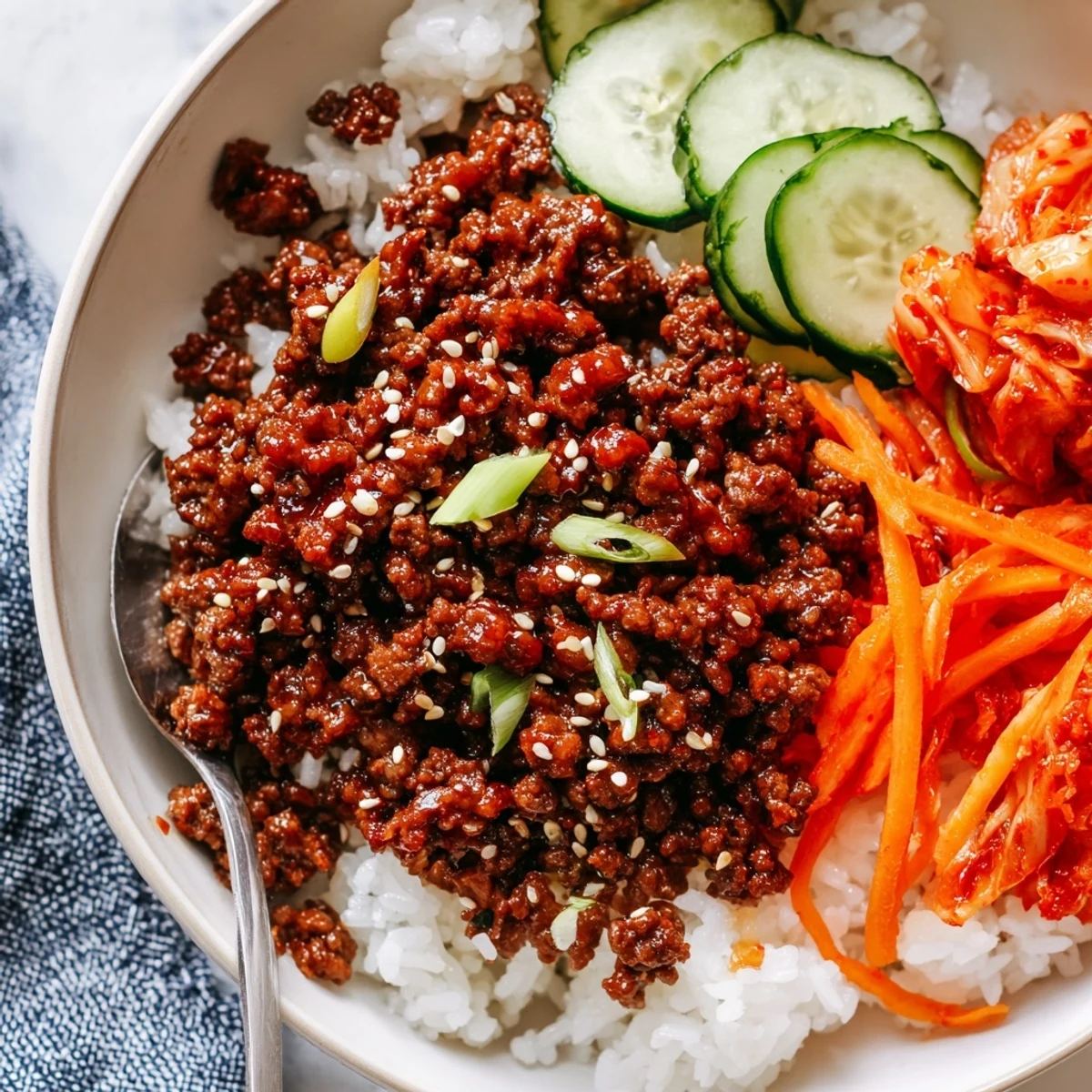
Save This Korean ground beef bowl brings together savory browned beef coated in a glossy sweet-spicy sauce made with soy sauce, brown sugar, sesame oil, garlic, ginger, and optional gochujang.
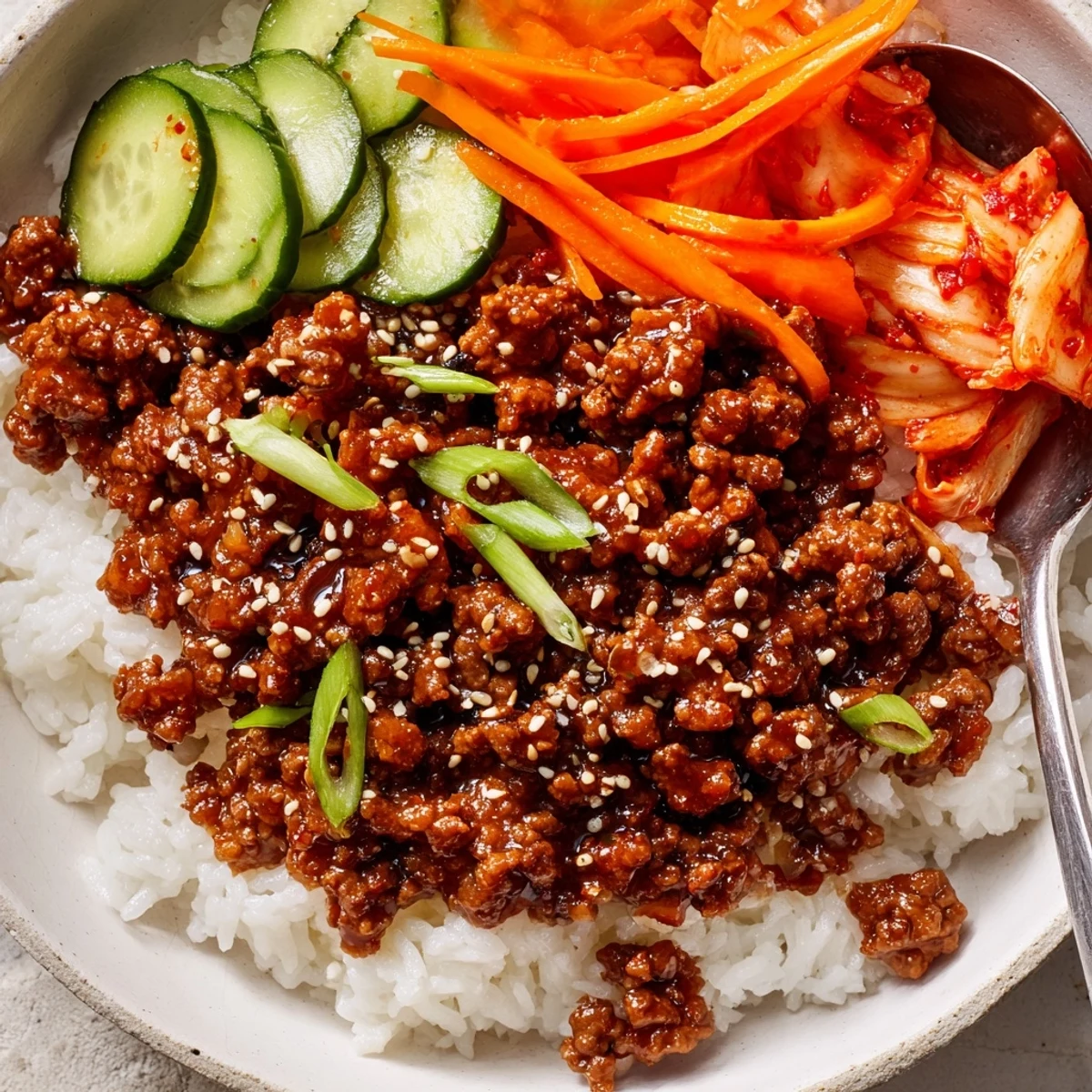
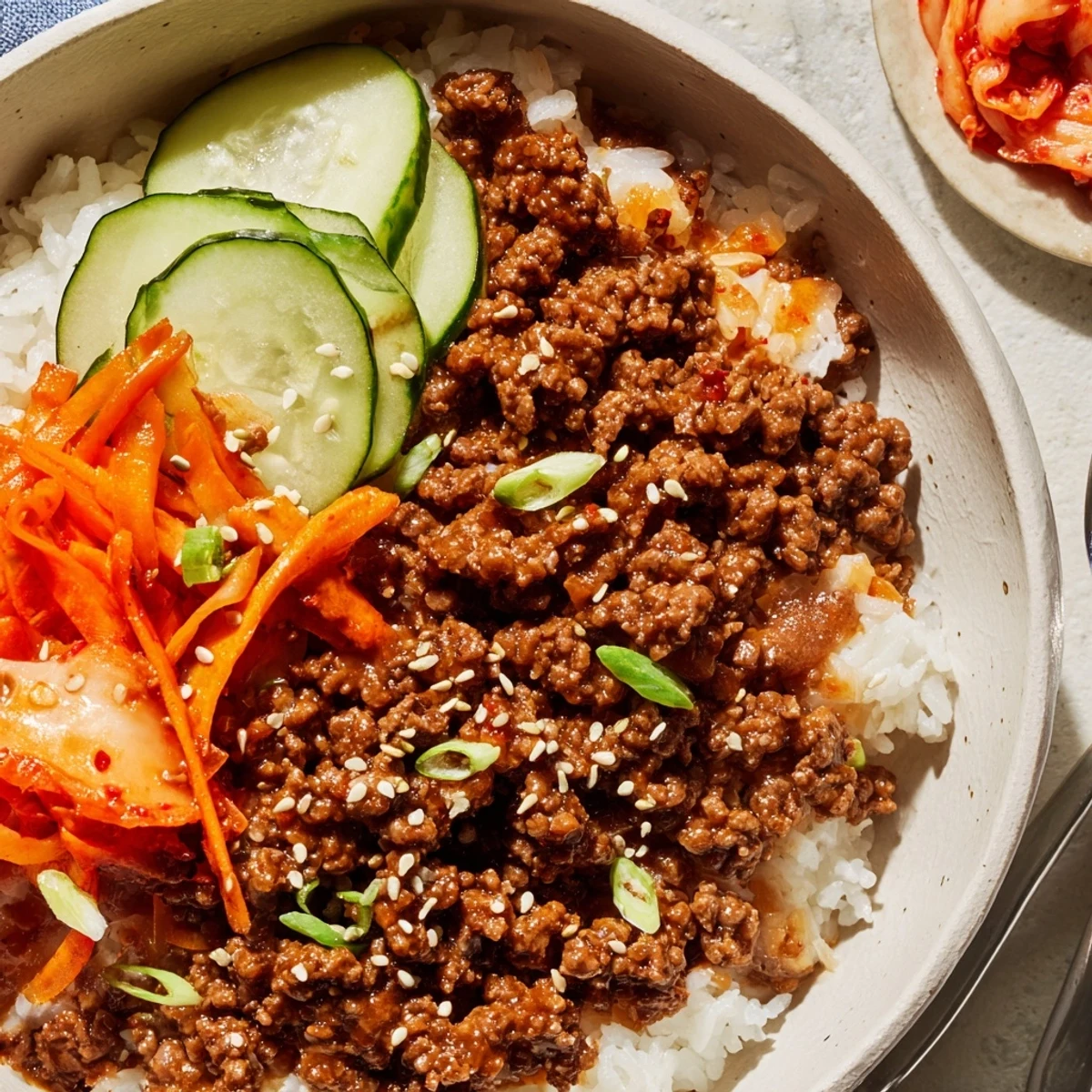
Served over steamed jasmine rice and topped with green onions, sesame seeds, julienned carrot, cucumber, and kimchi, it delivers bold Korean-inspired flavors in just 25 minutes.
Customizable with ground chicken or turkey, adjustable heat levels, and gluten-free tamari, this dish works as a satisfying weeknight dinner for four.
The sizzle of ground beef hitting a hot pan is one of those sounds that instantly makes a kitchen feel alive, and this Korean inspired bowl lives up to that promise. Throw together a quick sauce, brown some meat, and you have dinner on the table faster than delivery. It became my chaotic weeknight ritual last winter when takeout menus started feeling like a cop out. Sweet, salty, and just spicy enough to make your nose run a little.
My roommate walked in one Tuesday evening while I was making this and stood over the stove spooning beef straight from the pan before I could even assemble a bowl. She looked guilty but not guilty enough to stop. Now it is requested every week without fail.
Ingredients
- Lean ground beef (1 lb): The workhorse of this dish and lean means less fat to drain.
- Cooked jasmine or short grain rice (2 cups): Short grain gives that satisfying stickiness but jasmine works beautifully in a pinch.
- Low sodium soy sauce (1/4 cup): Low sodium lets you control the salt without sacrificing depth.
- Brown sugar (2 tbsp): Balances the soy and brings the sauce together with gentle sweetness.
- Sesame oil (1 tbsp): A little goes a long way and adds a toasty backbone to every bite.
- Garlic, minced (3 cloves): Fresh is nonnegotiable here for that sharp aromatic punch.
- Grated fresh ginger (1 tbsp): Microplane it fine so it melts into the sauce instead of clumping.
- Crushed red pepper flakes (1/2 to 1 tsp): Start low and taste before adding more because the heat builds.
- Rice vinegar (2 tsp): A subtle brightness that keeps the sauce from feeling heavy.
- Gochujang (1 tbsp, optional): Adds a fermented depth and steady warmth that elevates everything.
- Green onions, sliced (2): The finishing crunch that makes each bowl feel complete.
- Toasted sesame seeds (1 tbsp): Toast them yourself in a dry pan for thirty seconds and you will never go back to untoasted.
- Carrot, julienned (1): Soaks up the sauce slightly while keeping a fresh snap.
- Cucumber, thinly sliced (1 small): A cool contrast that tames the spice.
- Kimchi (optional, for serving): Funky and bright and worth having on the side if you can find it.
Instructions
- Whisk the sauce together:
- In a small bowl combine the soy sauce, brown sugar, sesame oil, garlic, ginger, red pepper flakes, rice vinegar, and gochujang if using. Stir until the sugar dissolves and everything looks unified.
- Brown the beef:
- Heat a large skillet over medium high and add the ground beef, breaking it apart with a spatula as it cooks. Let it sit undisturbed for a minute here and there so edges get a little caramelized, then drain any excess fat.
- Bring it all together:
- Pour the sauce over the browned beef and stir well to coat every crumb. Let it simmer for two to three minutes until the sauce thickens and clings to the meat like a glossy glaze.
- Build your bowls:
- Divide the cooked rice among four bowls and spoon the beef mixture generously over each one. Watch the sauce pool into the rice and try not to eat it straight from the pan.
- Finish with fresh toppings:
- Scatter green onions, sesame seeds, julienned carrot, cucumber slices, and kimchi over each bowl. Serve immediately while the beef is still hot and the vegetables are cool and crisp.
 Save
Save There is something about a bowl of rice topped with saucy beef that turns a regular evening into a small comfort. I have made this for friends recovering from breakups and friends celebrating new jobs. The bowl does not judge the occasion.
Making It Your Own
Ground chicken or turkey swaps in effortlessly if beef is not your thing and the sauce carries it just as well. For a gluten free version use tamari instead of soy sauce and double check your gochujang label. A fried egg on top turns this from a solid dinner into something that feels genuinely indulgent.
Getting the Spice Right
The red pepper flakes and gochujang together create a layered heat that builds slowly rather than hitting all at once. Start with half a teaspoon of flakes if you are sensitive and work your way up in future batches. The beauty of this recipe is that it forgives bold experimentation.
Tools and Prep Shortcuts
A large skillet, a mixing bowl, a spatula, a knife, and a cutting board are genuinely all you need. Julienne the carrot and slice the cucumber while the beef browns and you will save yourself ten minutes of idle waiting.
- Keep pre minced garlic in the fridge for nights when even three cloves feel like too much effort.
- Toast a large batch of sesame seeds at once and store them in a jar for weeks of easy garnishing.
- Always start rice first so it is ready by the time the beef and sauce come together.
 Save
Save Keep this recipe in your back pocket for nights when you want something warm and satisfying without thinking too hard. It will not let you down.
Recipe FAQs
- → Can I use a different protein instead of ground beef?
-
Yes, ground chicken or turkey work well as lighter alternatives. You can also use cubed tofu for a vegetarian version. Adjust the cooking time accordingly, as poultry may cook slightly faster than beef.
- → How spicy is this Korean ground beef bowl?
-
The heat level is fully adjustable. The red pepper flakes and gochujang control the spice. Use half a teaspoon of flakes and skip the gochujang for mild heat, or increase both for a spicier kick.
- → What type of rice works best for this dish?
-
Jasmine rice or short-grain white rice are ideal choices. Short-grain rice offers a stickier texture that pairs well with the sauce, while jasmine rice provides a fluffier base. Either works beautifully.
- → Can I make this dish gluten-free?
-
Absolutely. Simply replace the soy sauce with tamari, which is a gluten-free alternative with a similar umami flavor. Double-check that your gochujang brand is also certified gluten-free.
- → How should I store and reheat leftovers?
-
Store the beef mixture and rice separately in airtight containers in the refrigerator for up to 3 days. Reheat the beef in a skillet or microwave until warmed through, and add fresh toppings after reheating.