
 Save
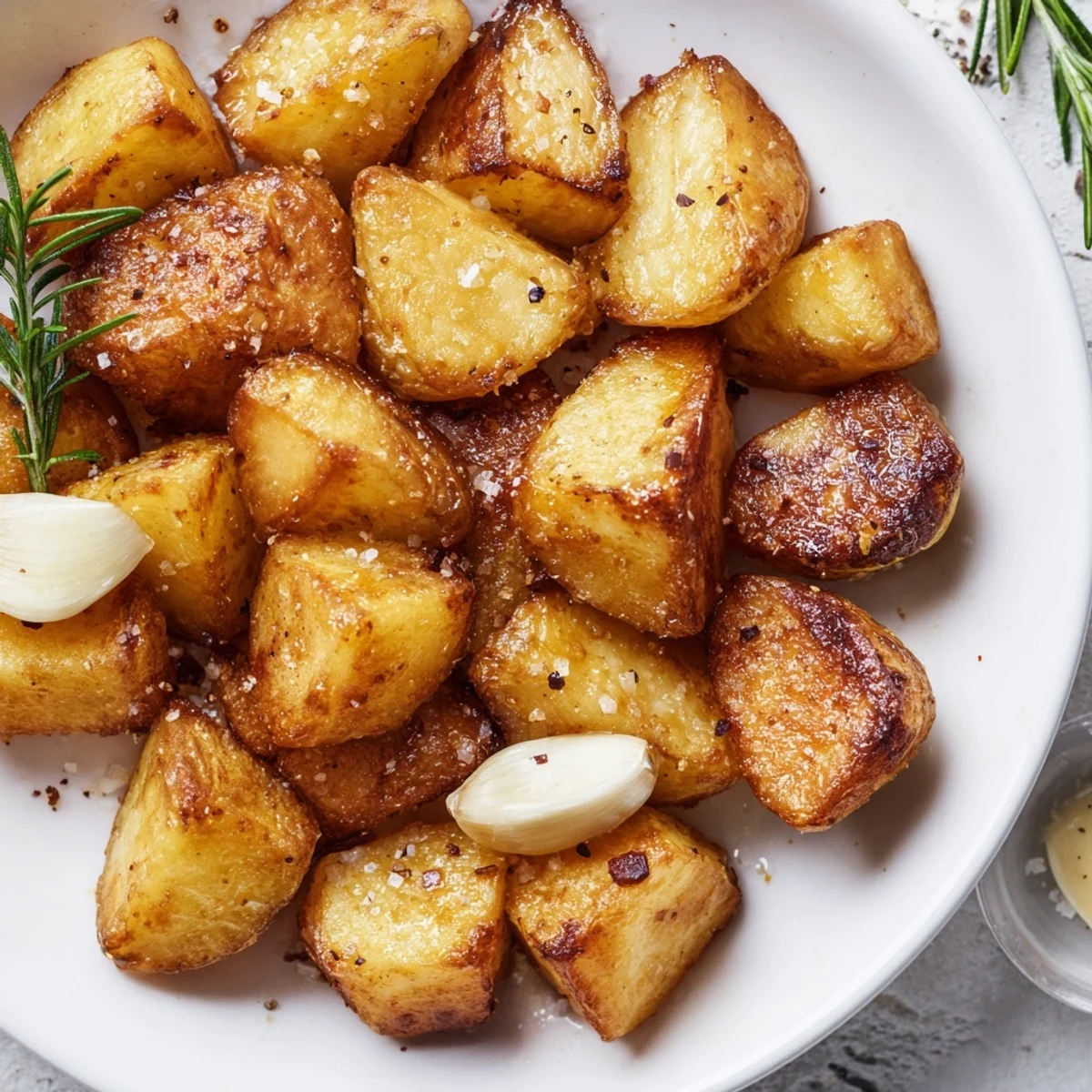
Save Master the art of creating perfect roast potatoes with irresistibly crispy exteriors and light, fluffy interiors. This traditional British method uses parboiling to roughen the edges, then high-heat roasting in duck fat, goose fat, or vegetable oil for exceptional results.
The technique takes just over an hour from start to finish and yields beautifully golden potatoes that pair perfectly with Sunday roasts, holiday dinners, or everyday meals. Optional garlic and rosemary add aromatic depth, while the straightforward process makes this accessible for cooks of all experience levels.
My grandmother's kitchen always smelled like rosemary and hot oil on Sunday afternoons. She'd stand by the oven, peering through the glass door with the kind of patience I'm still trying to master. Those potatoes weren't just a side dish—they were the main event as far as I was concerned. I've spent years trying to recreate that perfect crunch-to-fluff ratio she achieved without effort.
Last Christmas, I made these for twelve people and accidentally doubled the garlic. My uncle kept asking what I'd done differently. Sometimes the best discoveries happen when you're rushing and distracted, tossing in an extra clove because it looked lonely.
Ingredients
- 1.5 kg floury potatoes: Maris Piper or Yukon Gold have the perfect starch content for that fluffy interior we're after
- 1 tbsp salt for boiling: This seasons the potatoes from the inside out, not just on the surface
- 75 ml vegetable oil or duck fat: Duck fat will give you restaurant-level results, but oil works perfectly well
- 1 tsp sea salt flakes: These crunchy salt crystals cling to the crispy edges better than fine salt
- 1/2 tsp black pepper: Freshly cracked makes all the difference here
- 2 cloves garlic and 2 sprigs rosemary: Completely optional but highly recommended for that aromatic finish
Instructions
- Preheat and prepare your pan:
- Heat your oven to 220°C and put your roasting tray inside to get screaming hot—this prevents sticking and jumpstarts the crisping process immediately.
- Parboil the potatoes:
- Cover peeled chunks with cold water, add salt, and simmer for 8–10 minutes until the edges start softening but centers are still firm.
- Create rough edges:
- Drain well, let steam for 2 minutes, then shake vigorously—you want those fluffy, roughened surfaces that catch the hot fat and turn golden.
- Coat in hot fat:
- Pour your hot oil or duck fat over the potatoes and toss gently until every piece is evenly coated.
- Roast to perfection:
- Spread potatoes in a single layer on the preheated tray, roast 20 minutes, turn, then roast another 20–25 minutes until deeply golden and crispy all over.
- Finish and serve:
- Toss with garlic and herbs if using, season with those salt flakes and pepper, then get them to the table while they're still hissing.
 Save
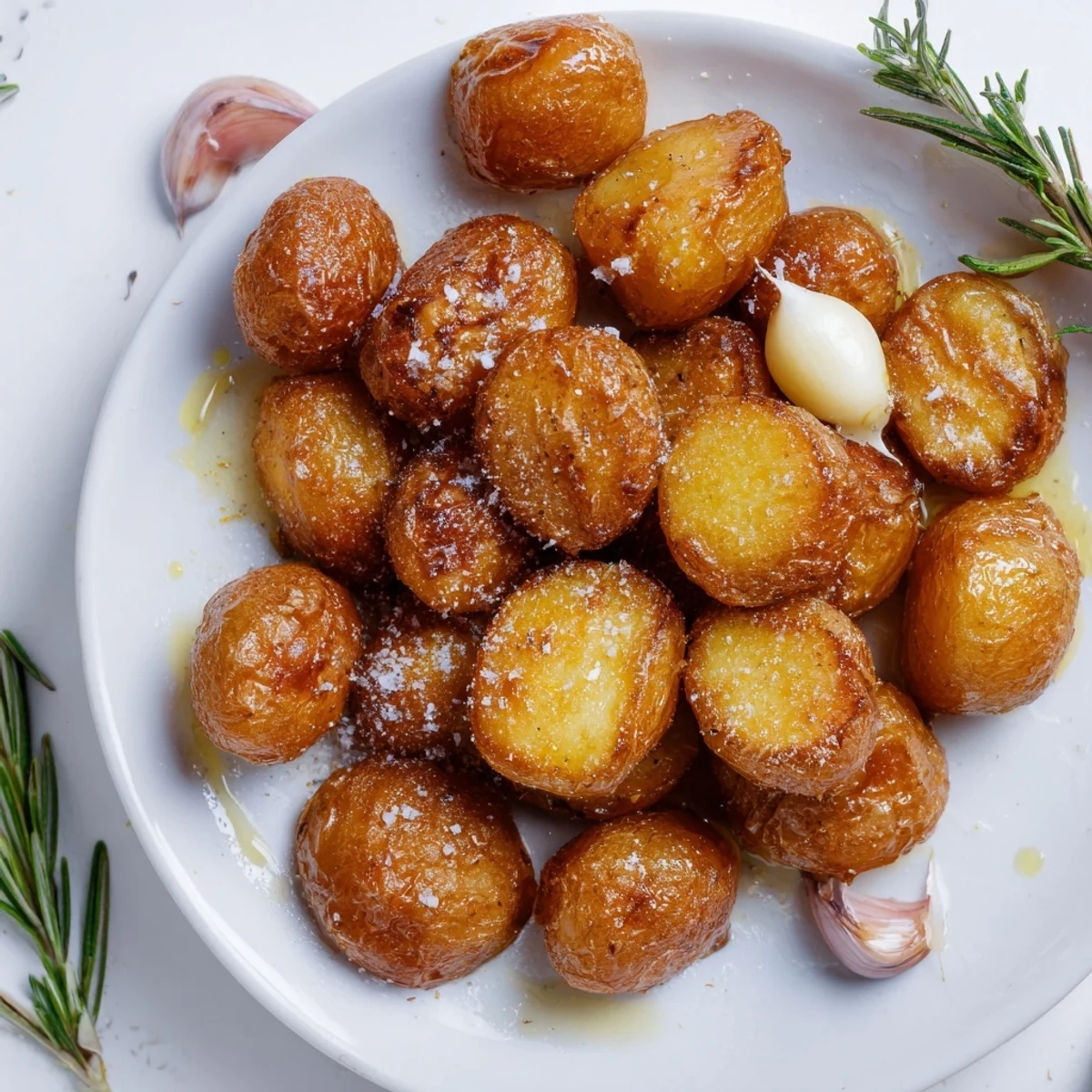
Save These became my signature dish when I moved into my first apartment and couldn't afford much else. A bag of potatoes, some oil, salt—suddenly I was eating like royalty. There's something deeply satisfying about turning humble ingredients into something spectacular.
Choosing Your Fat
While olive oil works beautifully, I've discovered that duck fat creates the most extraordinary flavor profile. It's what chefs use for that restaurant-quality golden finish. If you can find it at your local butcher or specialty store, it's worth the splurge for a special Sunday dinner.
The Parboiling Window
Getting the parboiling right took me years to nail. Too little and they won't fluff up, too much and they fall apart completely. You're looking for that sweet spot where a knife meets slight resistance but the potato gives way—usually around 8 to 10 minutes depending on your chunk sizes.
Make Ahead Magic
These potatoes freeze remarkably well after the parboiling step. I often do a big batch on Sunday, roughen the edges, let them cool completely, then freeze them in single layers. When you need them straight from frozen, just add 5–10 minutes to the roasting time and nobody will know the difference.
- Don't crowd the pan or the potatoes will steam instead of roast
- A metal spatula is better than tongs for turning without damaging the crust
- Let the tray heat in the oven for at least 10 minutes before adding potatoes
 Save
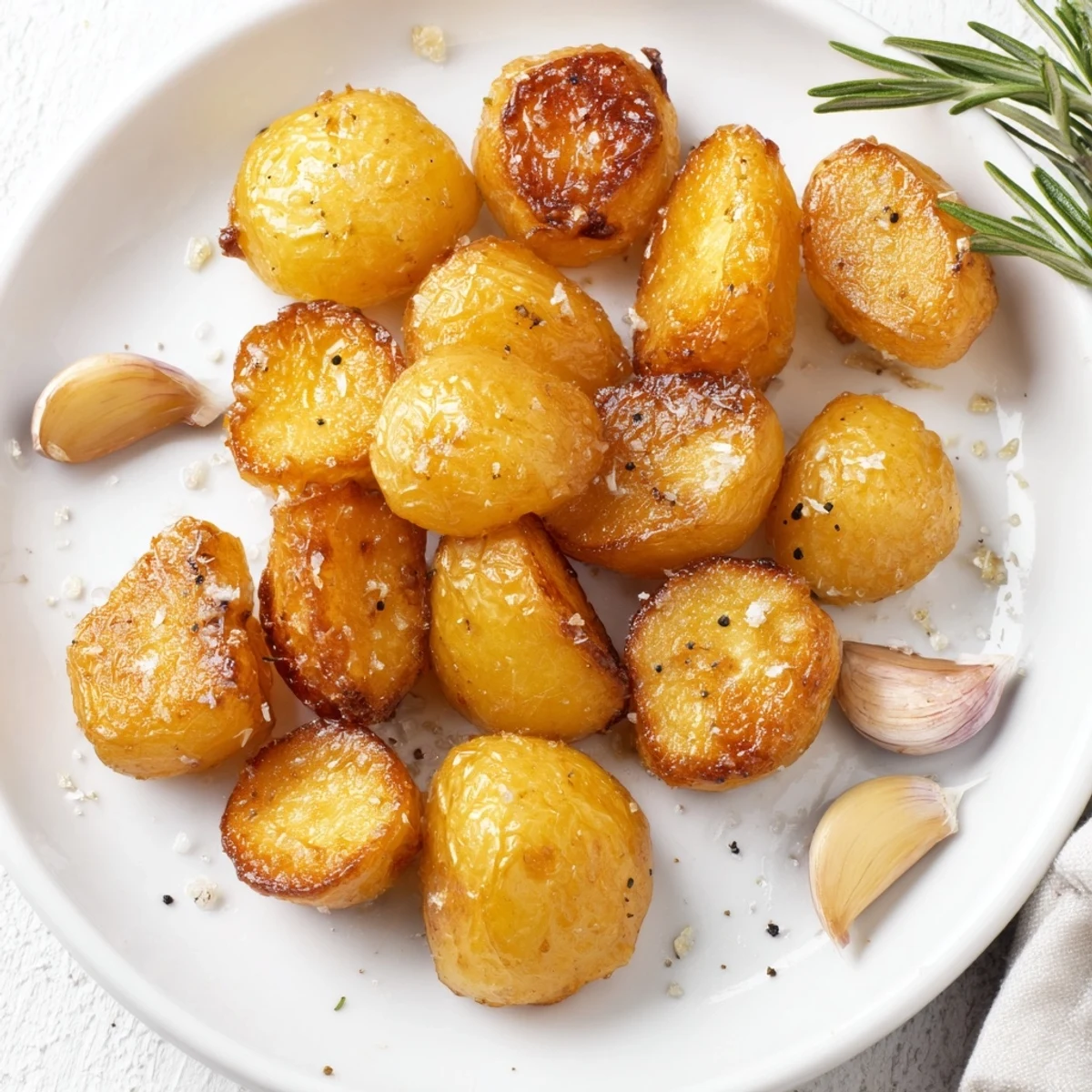
Save Perfect roast potatoes aren't just about technique—they're about giving them the time and attention they deserve. There's nothing quite like pulling that tray from the oven and seeing them golden and waiting.
Recipe FAQs
- → What type of potatoes work best?
-
Floury potatoes like Maris Piper, Yukon Gold, or Russet varieties create the fluffiest interior while developing a satisfyingly crispy crust during roasting.
- → Why parboil before roasting?
-
Parboiling softens the potato edges, and shaking them in the pan creates rough surfaces that crisp up beautifully when roasted in hot fat.
- → Can I prepare these ahead?
-
Parboil and roughen the potatoes, then freeze them on a tray. Roast directly from frozen, adding a few extra minutes to the cooking time.
- → Which fat produces the crispiest results?
-
Duck or goose fat delivers superior crispiness and rich flavor, though vegetable oil works perfectly for vegetarian preferences and still yields excellent results.
- → How do I know when they're done?
-
Perfectly roasted potatoes are deeply golden brown with a crispy, textured exterior. A fork should pierce through easily, revealing a fluffy, light interior.