
 Save
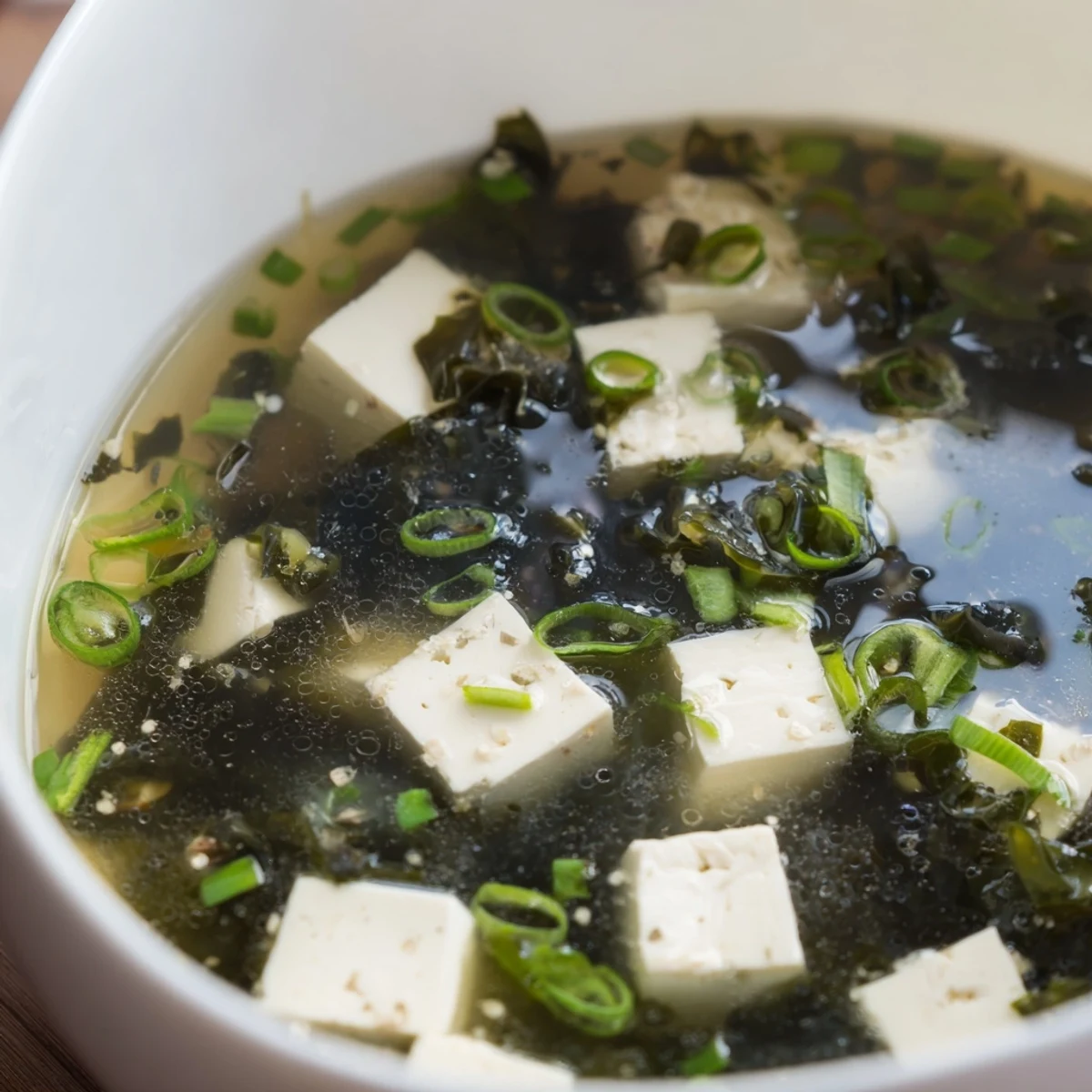
Save This classic Japanese bowl brings together delicate white miso, silky silken tofu, and rehydrated wakame seaweed in a warm dashi broth. The entire preparation comes together in just 15 minutes, making it an ideal choice for quick weekday lunches or elegant dinner starters. The key is whisking the miso paste separately with hot broth before incorporating it back into the main pot, which ensures a smooth, well-blended base without clumps.
For the best results, avoid boiling the miso directly, as high heat can destroy its beneficial probiotics and alter its subtle sweetness. The soup's versatility shines through optional additions like sliced mushrooms, fresh spinach, or daikon radish. Customizing the miso blend with both white and red varieties creates a more complex, umami-rich profile.
The steam rising from my bowl at that tiny Tokyo ramen shop changed everything I thought I knew about soup. It wasnt complicated or fancy, just deeply comforting in a way I'd never experienced before. I've spent years trying to recreate that simple magic in my own kitchen, adjusting until the balance felt right.
My roommate in college used to make this when either of us was feeling under the weather or just homesick. She taught me that the secret isn't expensive ingredients, it's treating the miso with respect. Now whenever I smell that fermented sweetness, I'm transported back to our cramped dorm kitchen, watching steam fog up the windows while we caught up on the day.
Ingredients
- 4 cups dashi stock: Instant dashi granules work perfectly here, but kombu dashi keeps it vegetarian and adds a cleaner ocean note
- 3 tablespoons white miso paste: Shiro miso is milder and sweeter than red, perfect for this delicate soup, but don't be afraid to experiment with different ratios
- 100 g silken tofu: Cut into precise cubes so every spoonful gets that silky contrast against the broth
- 2 tablespoons dried wakame: This seaweed rehydrates beautifully and adds that authentic sea mineral flavor
- 2 green onions: Finely sliced right before serving for that fresh bite that cuts through the richness
Instructions
- Warm the broth:
- Bring your dashi to a gentle simmer, watching for tiny bubbles around the edges, but never let it reach a rolling boil
- Dissolve the miso properly:
- Whisk the paste with some hot broth in a separate bowl until completely smooth, then fold it back into the pot, treating it like the delicate ingredient it is
- Add your floating treasures:
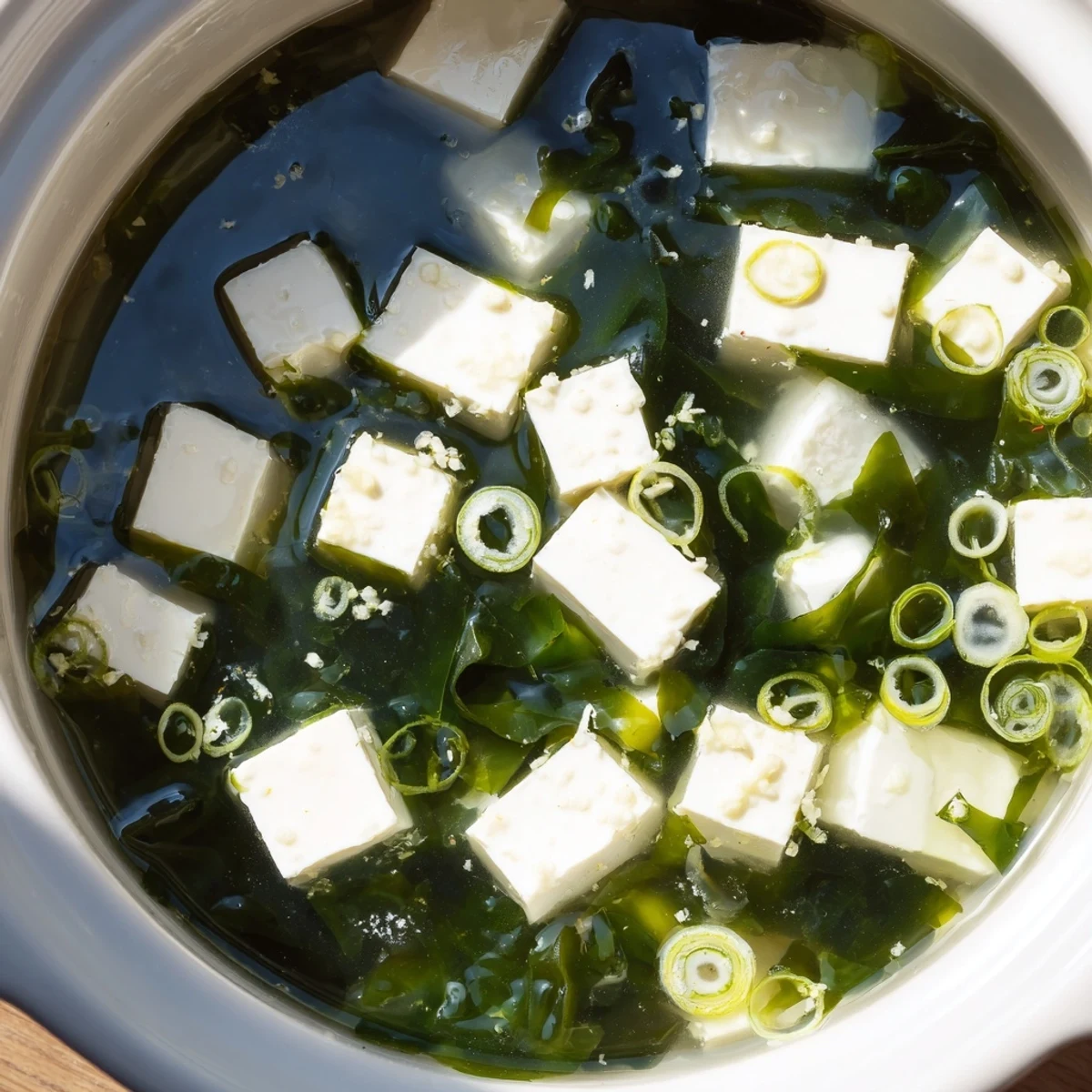
- Gently slip in the tofu cubes and dried wakame, letting them swim together for just a couple minutes until the seaweed plumps up
- Finish with freshness:
- Pull the pot off the heat, ladle into your favorite bowls, and scatter those bright green onion slices on top while it's still steaming
 Save
Save This recipe became my go-to comfort during a particularly rough winter when everything felt uncertain. Something about that ritual of whisking miso into hot water, watching it cloud into something nourishing, made the world feel manageable again.
Building Deeper Flavor
Try blending white and red miso paste for a more complex profile that develops in your mouth. The white brings sweetness while the red adds earthiness, creating layers that keep you coming back for sip after sip.
Making It Your Own
Once you're comfortable with the base, this soup welcomes almost anything from your crisper drawer. Sliced mushrooms, baby spinach, or thin rounds of daikon turn it into a more substantial meal while staying true to its Japanese roots.
Serving It Right
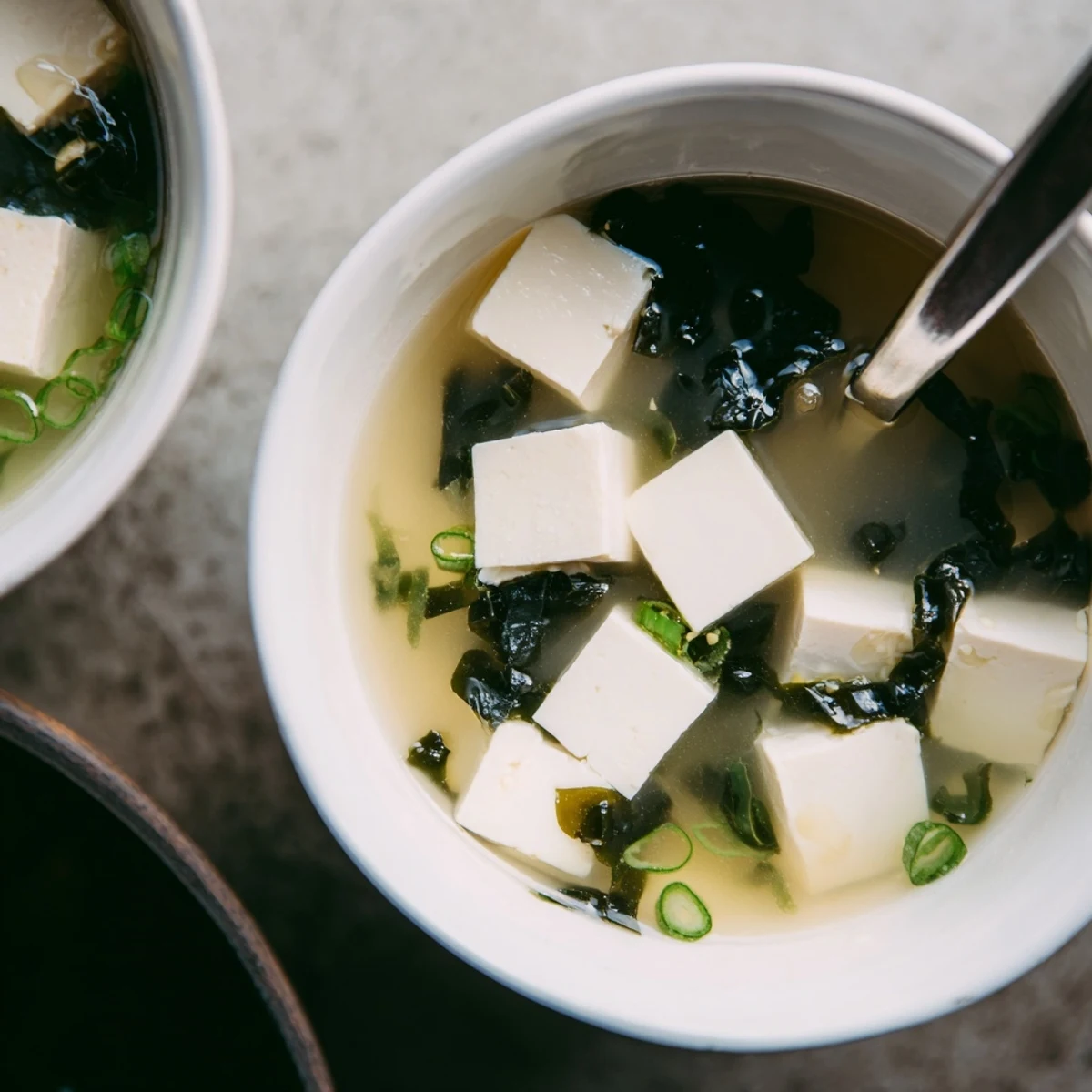
In Japan, miso soup often accompanies rice and pickles as part of a traditional breakfast, setting a gentle tone for the day ahead. The key is serving it piping hot in lidded bowls that keep every drop warm until the very last spoonful.
- Pair with a simple green salad for a light but complete dinner
- Keep extra dashi on hand for impromptu soup cravings
- Experiment with different seaweeds like kombu strips for varied texture
 Save
Save There's something profoundly grounding about making soup from scratch, especially one that comes together so quickly. May your kitchen be filled with that same comforting steam, whether you're cooking for one or many.
Recipe FAQs
- → What type of miso paste works best?
-
White miso paste (shiro miso) is ideal for this preparation due to its mild, slightly sweet flavor that complements delicate ingredients like tofu and seaweed. However, you can experiment with red miso or a blend of both for deeper, more robust umami notes.
- → Can I make this vegetarian?
-
Yes, simply substitute traditional dashi stock with kombu dashi made from dried kelp. Avoid dashi containing bonito flakes, which are fish-based. Most miso pastes are naturally vegetarian, but always check labels to confirm.
- → Why shouldn't I boil the miso?
-
Boiling miso paste can destroy its beneficial enzymes and probiotics while altering its delicate flavor profile. The miso should be dissolved in warm liquid and kept below a simmer to preserve both its nutritional benefits and subtle sweetness.
- → How long does this keep in the refrigerator?
-
This soup is best enjoyed immediately after preparation, as tofu continues to absorb liquid and may become overly soft. If storing, keep broth and garnishes separate, and reheat gently without boiling to maintain the miso's qualities.
- → What other ingredients can I add?
-
Consider adding shiitake mushrooms, bok choy, corn, or thinly sliced carrots for extra texture and nutrition. For protein variations, edamame, cooked shrimp, or thin strips of chicken work beautifully without overpowering the delicate miso flavor.
- → Is dried wakame seaweed essential?
-
Wakame provides traditional texture and minerals, but you can substitute with other dried seaweeds like hijiki or nori strips. Fresh spinach or Swiss chard also works well as a leafy alternative, though the ocean flavor will be less pronounced.