
 Save
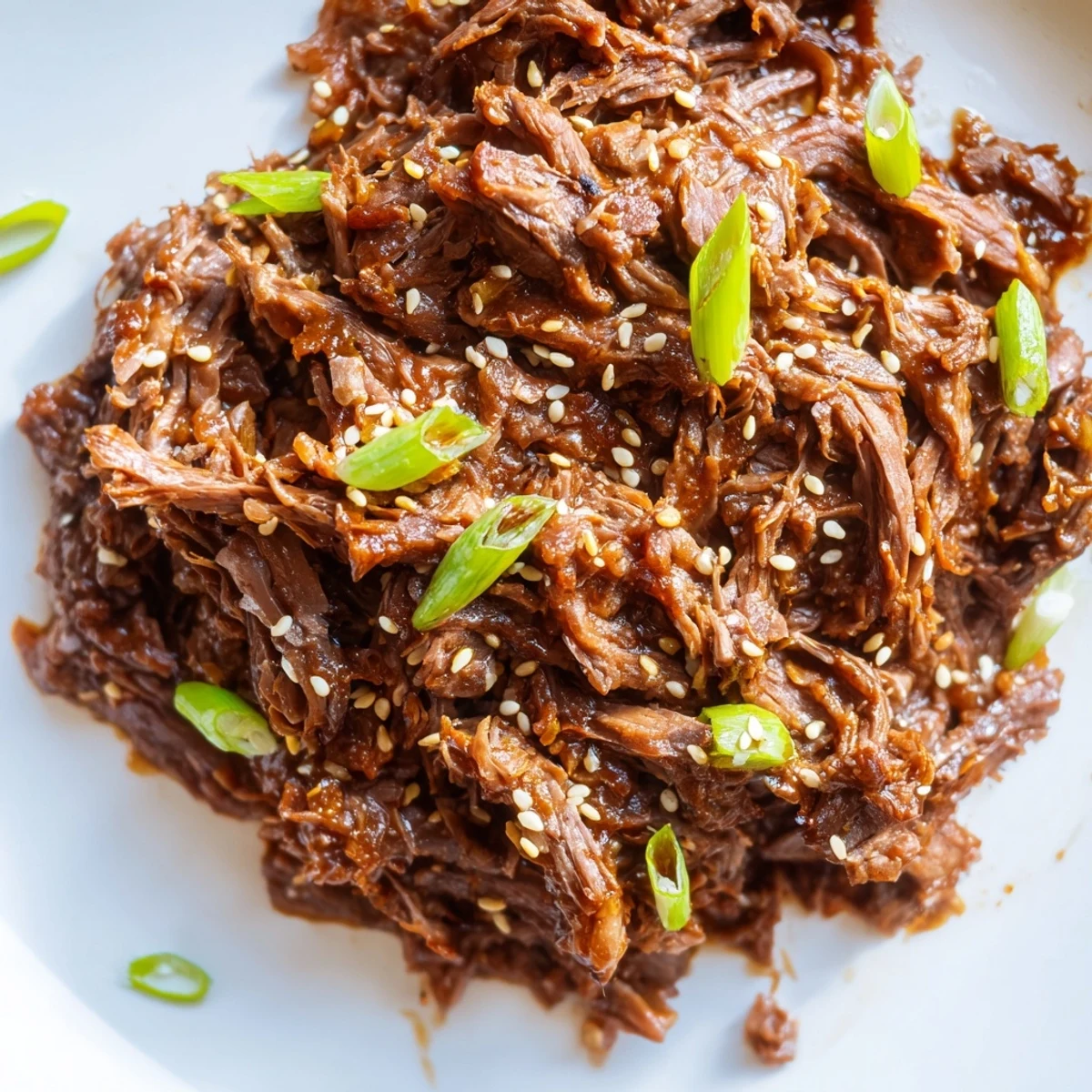
Save This slow-cooked Korean beef dish features tender chuck roast simmered in a rich, savory-sweet sauce infused with traditional Korean flavors. The combination of soy sauce, brown sugar, ginger, garlic, and gochujang creates an authentic taste profile, while grated pear adds natural sweetness and tenderizes the meat. Cooked low and slow for 6-7 hours, the beef becomes incredibly tender and shreds easily. The sauce thickens beautifully with cornstarch slurry, coating each piece of beef perfectly. Serve over jasmine rice with green onions and sesame seeds for a complete, satisfying meal that's perfect for busy weeknights or entertaining guests.
My tiny apartment smelled incredible for seven straight hours the first time I made this Korean beef. I had friends coming over for board games and wanted something that felt fancy but required zero attention during actual game time. The way the ginger and garlic slowly permeated everything had me sneaking spoonfuls of sauce all afternoon. Now it's my go-to for busy weeks when I still want something that tastes like I tried all day.
Last winter my sister was recovering from surgery and I brought her a container of this beef. She texted me at midnight saying she'd eaten it standing up in her kitchen because she couldn't wait to heat it properly. That's when I knew this wasn't just dinner, it was actual comfort food that pulls people through hard days.
Ingredients
- Beef chuck roast: Chuck has the perfect marbling for slow cooking, becoming fork-tender while staying juicy. Trim excess fat but don't go crazy about it, that fat equals flavor in the long run.
- Soy sauce: Low-sodium lets you control the salt level since the sauce reduces beautifully over hours.
- Brown sugar: This creates that characteristic Korean sweet and savory balance. Dark brown gives a deeper molasses flavor.
- Sesame oil: Toasted sesame oil is non-negotiable here. It's what gives that authentic Korean restaurant aroma.
- Fresh ginger: Fresh ginger has a brightness that powder can't touch. Grate it on a microplane so it practically melts into the sauce.
- Gochujang: Korean chili paste adds depth beyond just heat. If you can't find it, red pepper flakes work but you'll miss that fermented umami punch.
- Asian pear: This is the secret ingredient in Korean marinades. The enzymes help tenderize the meat while adding subtle sweetness. A ripe Bosc or apple works in a pinch.
- Cornstarch: This thickens the sauce at the end so it clings to every strand of beef.
Instructions
- Make the magic sauce:
- Whisk together soy sauce, brown sugar, water, rice vinegar, sesame oil, ginger, garlic, gochujang, and grated pear until the sugar completely dissolves.
- Get the beef started:
- Arrange beef chunks in your crock pot and pour the sauce over, turning pieces to coat everything evenly.
- Let it work:
- Cover and cook on low for 6-7 hours until the beef shreds with zero resistance.
- Shred the meat:
- Remove beef to a cutting board and use two forks to pull it apart into shreds.
- Thicken the sauce:
- Skim any excess fat from the crock pot. Whisk cornstarch with cold water until smooth, then stir into the sauce.
- Bring it together:
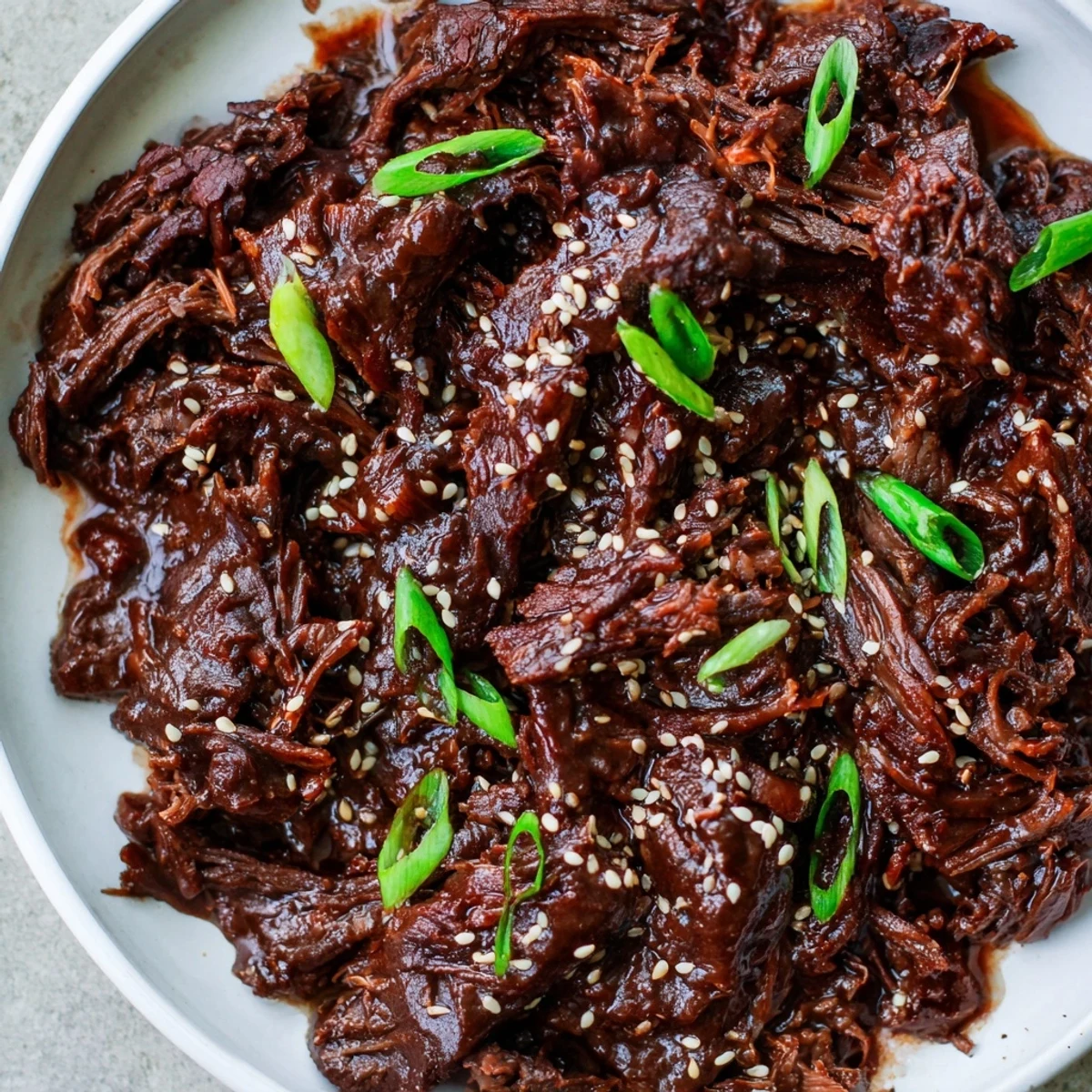
- Return shredded beef to the pot and stir until coated in thickened sauce. Cook on high for 15 minutes until it clings to the beef.
- Finish it right:
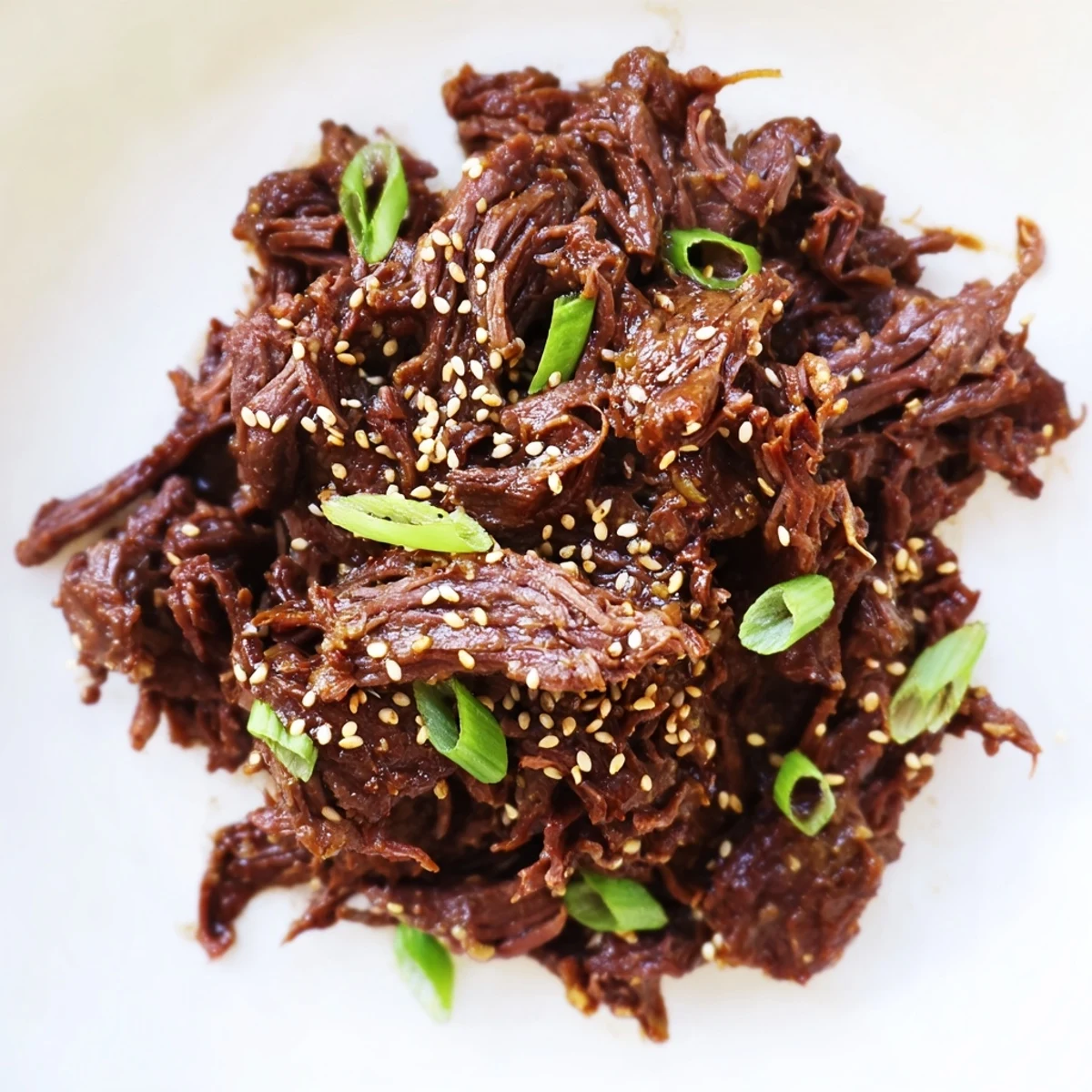
- Serve over steaming rice with green onions and sesame seeds scattered on top.
 Save
Save My grandmother asked for the recipe after trying it at a family gathering, which is basically the highest compliment possible in our family. Now she makes it for her bridge club and takes full credit for discovering this amazing dish.
Making It Your Own
I've learned that pork shoulder works beautifully if you want something slightly less lean and more indulgent. The cooking time stays the same, though pork might need an extra hour to reach that perfect shredding consistency.
Serving Ideas
While rice is traditional, I've served this in lettuce wraps for a low-carb version that feels fresh and light. Steamed broccoli or sautéed bok choy on the side makes the whole meal feel complete and balanced.
Meal Prep Secrets
This beef meal preps like a dream and actually improves over a few days in the refrigerator. The flavors continue to develop and meld together in ways that make day three leftovers feel special.
- Freeze portions in freezer bags for those nights when cooking feels impossible
- Double the sauce if you love that extra sticky coating on your rice
- Keep kimchi on hand to add that authentic Korean finish
 Save
Save There's something deeply satisfying about a meal that takes care of itself while you live your life, then shows up for you exactly when you need it.
Recipe FAQs
- → Can I use a different cut of beef?
-
Yes, you can substitute beef chuck with other tough cuts like round roast or brisket. These cuts benefit from the long cooking time and become tender when slow-cooked. Avoid tender cuts like sirloin as they'll become too soft.
- → What can I use instead of gochujang?
-
If you don't have gochujang, you can use 1-2 teaspoons of Korean chili powder mixed with a small amount of water, or 1 teaspoon red pepper flakes. For milder heat, omit the chili paste entirely and rely on the other flavors.
- → How can I make this gluten-free?
-
Use tamari instead of soy sauce, ensure your gochujang is gluten-free, and verify that all other ingredients don't contain hidden gluten. The cornstarch can be replaced with arrowroot powder or tapioca starch for thickening.
- → Can I cook this on high instead of low?
-
Yes, you can cook on high for 4-5 hours, but the beef may not be as tender. If cooking on high, reduce the final cooking time after adding the cornstarch slurry to prevent overcooking.
- → What's the purpose of the grated pear?
-
The grated pear serves two purposes: it adds natural sweetness to balance the savory sauce, and its enzymes help tenderize the beef during the long cooking process, resulting in more tender meat.