
 Save
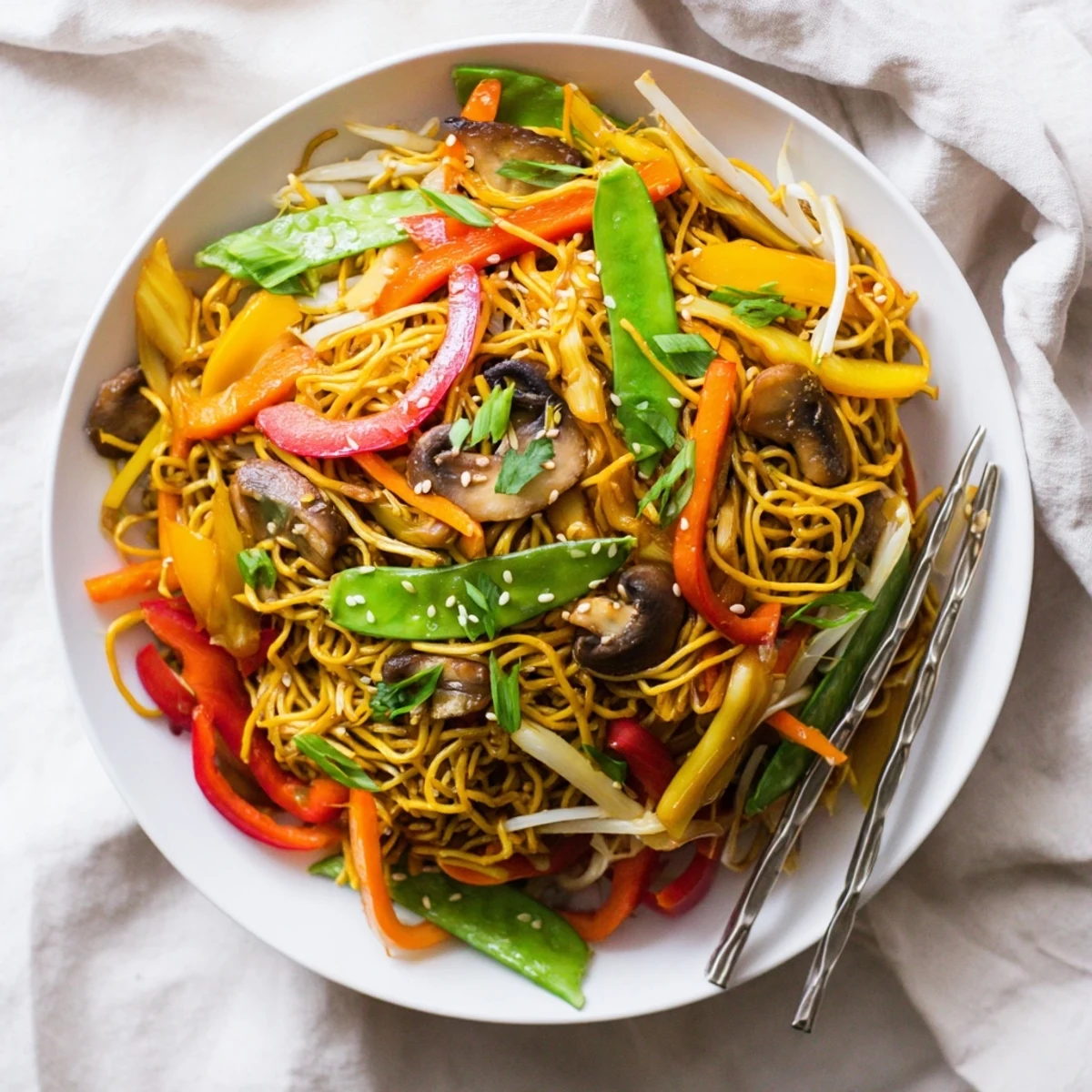
Save This vibrant dish combines golden crispy chow mein noodles with a colorful medley of stir-fried vegetables including red bell peppers, carrots, snow peas, and mushrooms. The savory sauce blends soy, oyster, and hoisin with aromatic garlic and ginger for authentic Chinese flavors. Ready in just 40 minutes, the crispy texture contrasts beautifully with tender crisp vegetables. Perfect as a satisfying vegetarian main or quick weeknight dinner, easily customizable with your favorite vegetables or protein additions like tofu.
The first time I attempted restaurant style chow mein at home, I ended up with a soggy disappointment that tasted more like boxed pasta than the glorious crispy noodles I craved from our local takeout spot. It took three failed attempts and some耐心 before I discovered the secret was frying the noodles separately until golden and letting the vegetables shine in their own moment of high heat glory. Now this recipe has become my go to for those nights when I want something that feels special but comes together faster than delivery would arrive.
Last Tuesday my roommate walked in right as I was plating this up, the kitchen filled with the aroma of ginger and garlic hitting hot oil. She stood there watching me arrange those golden noodles and admitted she had been planning to order takeout but now wanted whatever I was making instead. We ended up eating standing up at the counter, too hungry to bother with proper plates, and she texted me the next day asking for the recipe.
Ingredients
- 200 g dried chow mein noodles: These thin egg noodles crisp up beautifully and hold their texture better than thicker varieties
- 2 tbsp vegetable oil: Split between frying the noodles and stir frying the vegetables for that authentic wok char flavor
- 1 medium red bell pepper, thinly sliced: Adds vibrant color and sweetness that balances the savory sauce
- 1 medium carrot, julienned: The crunch factor here is essential and brings natural sweetness
- 100 g snow peas, trimmed: These stay crisp and bright even after quick cooking
- 100 g shiitake or button mushrooms, sliced: Earthy depth that soaks up the sauce beautifully
- 1 small yellow onion, thinly sliced: The foundation that builds flavor as it hits the hot oil
- 1 cup bean sprouts: Added at the very end for fresh crunch and authentic texture
- 2 spring onions, sliced: Save some for garnish to add a bright pop of color
- 3 tbsp soy sauce: The salty umami base that brings everything together
- 1 tbsp oyster sauce: Vegetarian versions work perfectly and add that rich depth
- 1 tbsp hoisin sauce: Sweet and thick with a subtle five spice warmth
- 1 tbsp sesame oil: A little goes a long way for that authentic finish
- 1 tsp sugar: Balances the salty elements and helps vegetables caramelize
- 2 cloves garlic, minced: Fresh is non negotiable here for that aromatic punch
- 1 tsp fresh ginger, grated: Use the smallest holes on your grater for maximum flavor
- 2 tbsp water: Thins the sauce just enough to coat everything evenly
- 1 tsp cornstarch: The secret to that glossy restaurant style coating
- 1 tbsp toasted sesame seeds: For that final professional touch and nutty crunch
- Fresh coriander leaves: Scatter these on top for color and a fresh herbal finish
Instructions
- Cook and prep the noodles:
- Boil the chow mein noodles according to package directions, then drain and rinse under cold water to stop the cooking and wash away excess starch. Pat them as dry as you can with paper towels because water is the enemy when you want crispy noodles.
- Crisp the noodles in batches:
- Heat half the oil in a large nonstick skillet over medium high heat and spread the noodles in an even layer. Let them fry undisturbed for 4 to 5 minutes until the bottom turns golden brown and crispy, then flip carefully and crisp the other side for 2 to 3 minutes more. Transfer to a plate and resist the urge to snack on them while you continue.
- Whisk together the sauce:
- Combine the soy sauce, oyster sauce, hoisin sauce, sesame oil, sugar, garlic, ginger, water, and cornstarch in a small bowl. Whisk until the cornstarch dissolves completely and set it aside near your stove.
- Stir fry the vegetables:
- Wipe out your skillet and heat the remaining oil over high heat until it shimmers slightly. Add the onions and carrots first, stir frying for 2 minutes, then toss in the bell pepper, mushrooms, and snow peas for another 3 to 4 minutes until everything is tender but still vibrant.
- Add the sauce and finish:
- Pour the sauce mixture into the skillet and stir constantly for about 1 minute as it bubbles and thickens into a glossy coating. Toss in the bean sprouts and half the spring onions, stir once to combine, then immediately remove from heat.
- Assemble and serve:
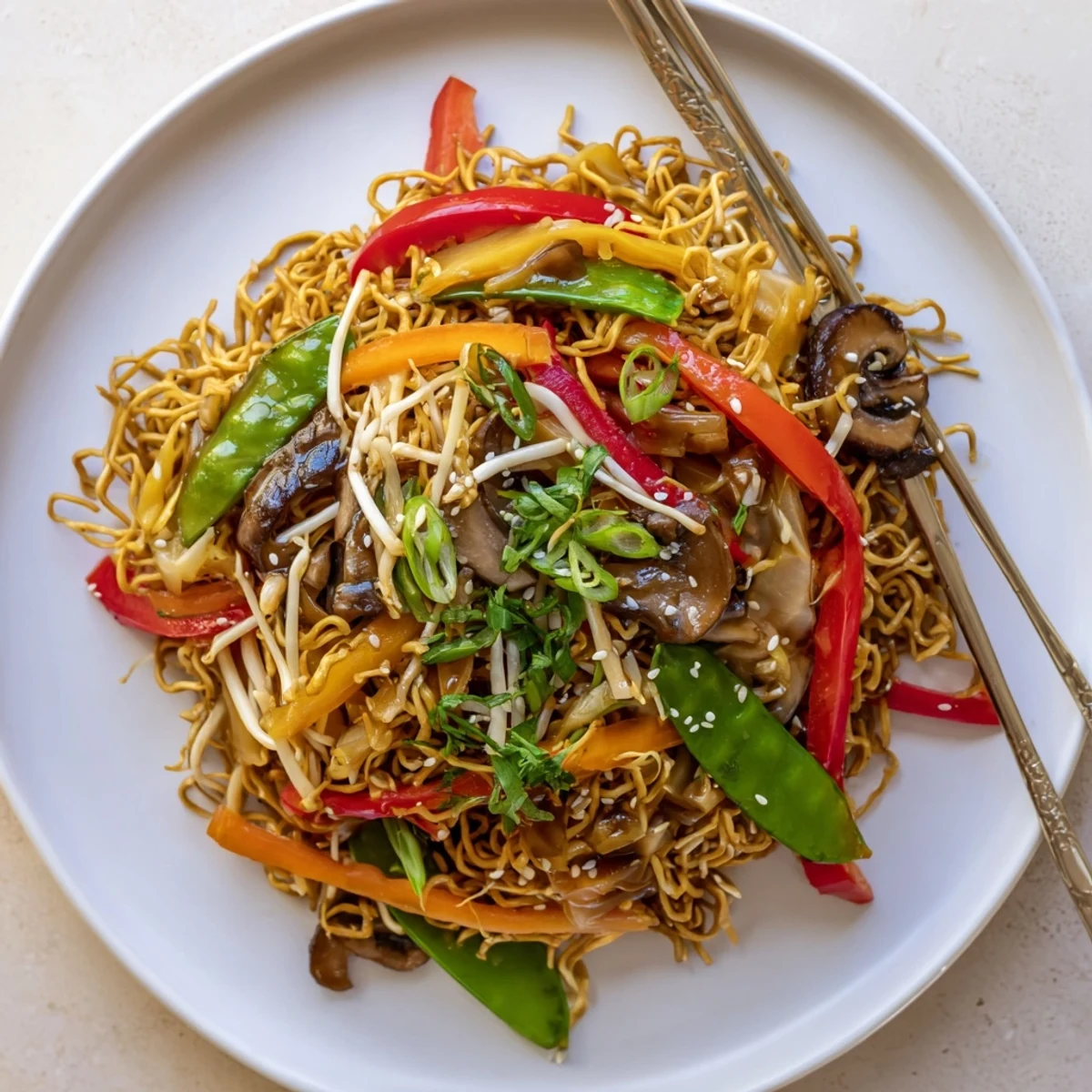
- Arrange the crispy noodles on a serving platter and spoon the saucy vegetables over the top. Scatter the remaining spring onions, sesame seeds, and fresh coriander over everything and serve right away while the noodles still have their crunch.
 Save
Save This recipe became my unexpected savior during finals week when my friends and I were all too stressed to cook elaborate meals but desperate for something that felt like real food. We made it together in my tiny apartment kitchen, taking turns at the stove, and somehow the simple act of chopping vegetables and stir frying became exactly the break we needed.
Making It Your Own
Once you have the basic technique down, this recipe adapts beautifully to whatever vegetables are languishing in your crisper drawer. I have made successful versions with broccoli, baby corn, bok choy, and even shredded cabbage when that was all I had on hand. The key is cutting everything into similar sized pieces so they cook evenly.
Perfecting The Crisp
The difference between good and great chow mein comes down to patience when frying the noodles. Let them develop a deep golden color on one side before attempting to flip, and do not worry if some parts get darker and crunchier than others. Those variation in texture are exactly what make restaurant noodles so compelling.
The Sauce Balance
This sauce hits all the right notes salty, sweet, and savory with just enough body to cling to every strand of noodle and vegetable. I sometimes add a splash of rice vinegar if I want extra brightness, or a pinch of red pepper flakes when I need some warmth. Taste as you go and adjust to hit your personal sweet spot.
- Prep all ingredients before you start cooking because stir frying happens fast
- Keep your heat high and your movements confident for the best texture
- Everything should go from stove to table in minutes for maximum crispiness
 Save
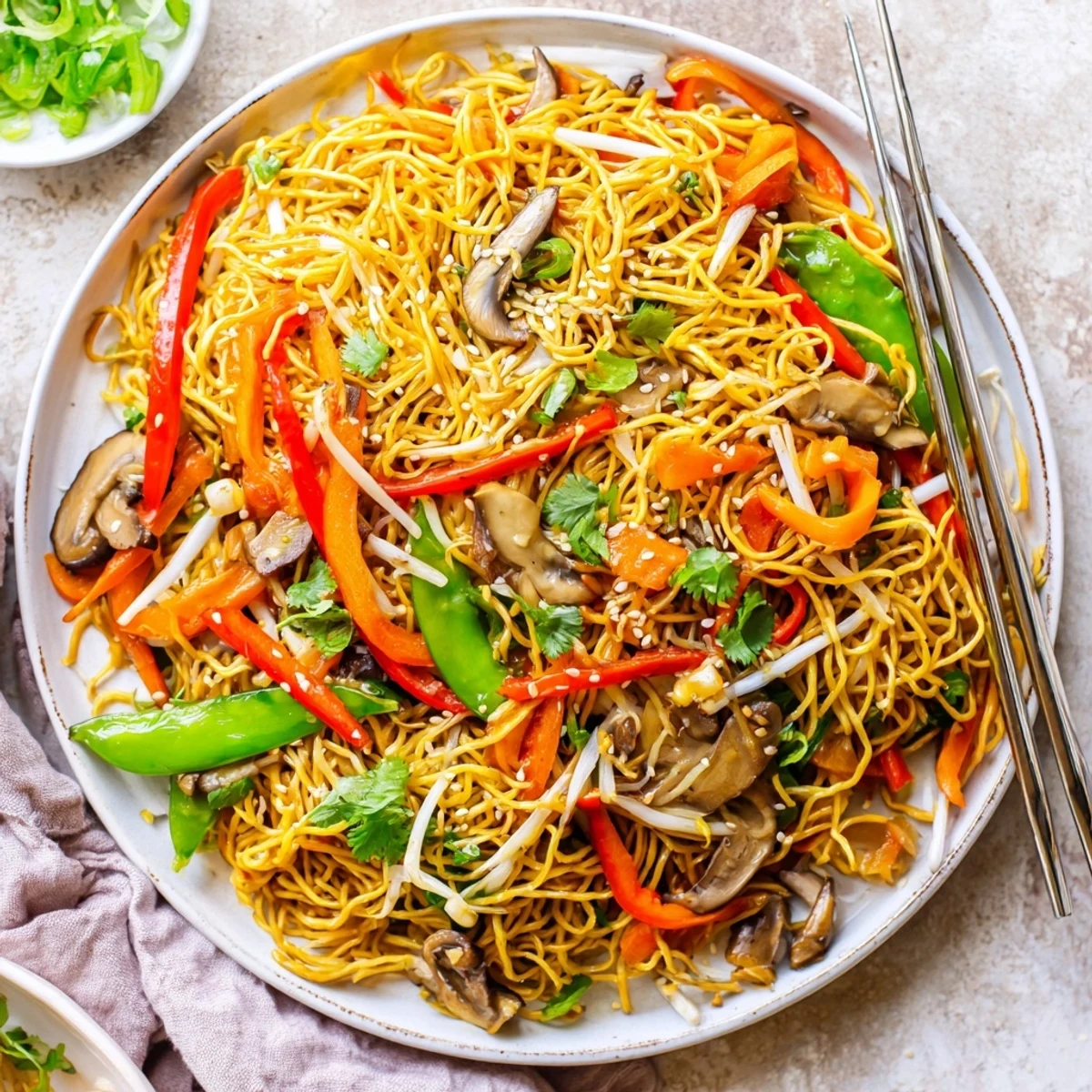
Save I hope this recipe brings as many last minute weeknight dinners to your table as it has to mine. There is something deeply satisfying about creating something this delicious in under 40 minutes.
Recipe FAQs
- → How do I get the noodles really crispy?
-
Fry the cooked noodles in a hot nonstick skillet or wok with oil, undisturbed for 4–5 minutes until golden and crispy on the bottom. Flip carefully and crisp the other side for 2–3 minutes more. Don't overcrowd the pan and use medium-high heat for best results.
- → Can I make this dish gluten-free?
-
Yes, substitute regular soy sauce with tamari and use gluten-free chow mein noodles. Check that your oyster and hoisin sauces are certified gluten-free, or use gluten-free alternatives. The cooking method remains exactly the same.
- → What vegetables work best in this dish?
-
Bell peppers, carrots, snow peas, mushrooms, onions, and bean sprouts provide excellent texture and color. You can also add broccoli florets, baby corn, bok choy, or snap peas. Slice vegetables thinly for even cooking and maintain their vibrant crunch.
- → How do I prevent the noodles from getting soggy?
-
Serve immediately after assembling for maximum crispiness. If needed, keep crispy noodles separate from the vegetable sauce until ready to serve. The contrast between crunchy noodles and tender vegetables is best enjoyed fresh from the wok.
- → Can I add protein to make it more filling?
-
Absolutely. Cubed tofu, tempeh, or seared chicken strips work wonderfully. Cook your protein separately or add it with the onions and carrots during stir-frying. Adjust cooking time accordingly to ensure everything is heated through properly.
- → What can I use instead of oyster sauce?
-
Vegetarian mushroom sauce makes an excellent substitute. Alternatively, increase the hoisin sauce slightly and add a pinch of mushroom powder or a splash of vegetarian stir-fry sauce for depth. The flavor profile will remain rich and savory.