
 Save
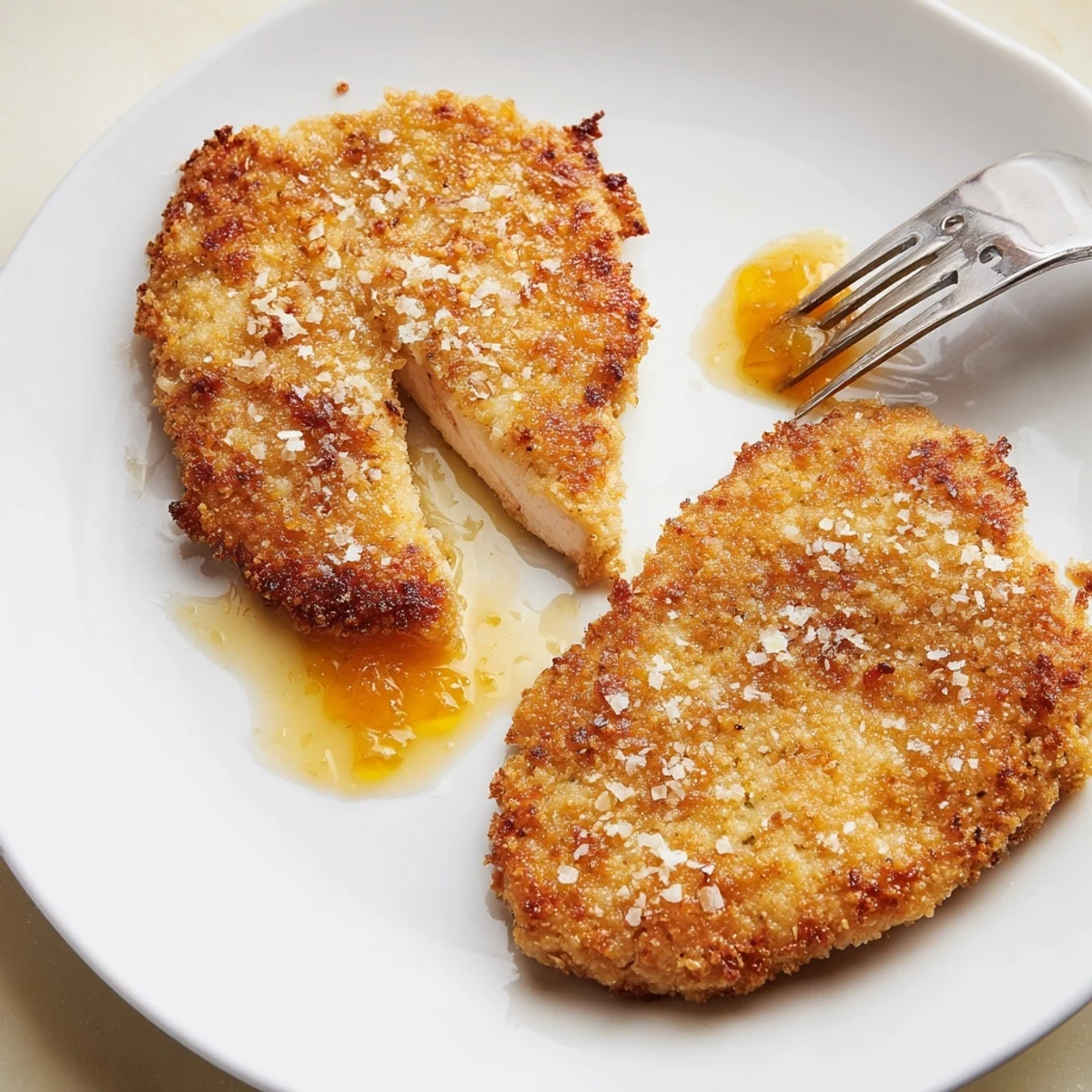
Save This tropical-style coconut chicken is dredged in flour, egg and a coconut-panko blend, pan-fried until golden then oven-finished for a tender interior. A quick stovetop apricot glaze—apricot preserves, soy, rice vinegar, ginger and garlic—is simmered until slightly thickened and spooned over. Gluten-free swaps and seafood substitutions offer flexible serving options.
The smell of toasted coconut hit me before I even opened the front door, and I knew my neighbor had been experimenting again. That was three summers ago, and I have been obsessed with coconut chicken ever since. Something about the shatteringly crisp crust against that sticky, bright apricot sauce makes this dish impossible to eat slowly. It tastes like a vacation you did not know you needed.
I made this for a rainy Tuesday dinner when my partner walked in soaked and grumpy, and the whole mood shifted the moment that golden chicken hit the plate. We ate standing in the kitchen, sauce dripping off our fingers, laughing about nothing. Now it is our unofficial bad weather cure.
Ingredients
- 4 boneless, skinless chicken breasts: Pound them to even thickness so every piece cooks at the same rate and you avoid dry edges.
- Salt and black pepper: A simple season but do not skip it because the breading needs this base layer.
- All-purpose flour: This first coat gives the egg something to cling to and builds the foundation of your crust.
- 2 large eggs plus 2 tablespoons water: The water thins the egg just enough for an even, light coating that does not clump.
- Shredded unsweetened coconut: Unsweetened is key here because sweetened coconut burns before the chicken is done.
- Panko breadcrumbs: Mixed with the coconut, panko adds an airy crunch that straight coconut alone cannot achieve.
- Apricot preserves: The secret weapon, and use a good quality jar because this is the soul of the sauce.
- Soy sauce: Adds savory depth that balances the sweetness perfectly.
- Rice vinegar: A gentle acidity that keeps the sauce from becoming cloying.
- Fresh ginger, grated: Fresh matters here because dried ginger will not give you that warm, tropical hum.
- Garlic, minced: Just a teaspoon but it rounds everything out.
- Crushed red pepper flakes: Totally optional but a tiny pinch makes the sauce sing with gentle heat.
- Oil for frying: Coconut oil leans into the tropical theme, but vegetable oil works beautifully too.
Instructions
- Get the oven ready:
- Preheat to 200 degrees Celsius (400 degrees Fahrenheit) and line a baking sheet with parchment paper so nothing sticks when you transfer the chicken.
- Season the chicken:
- Pat the chicken breasts dry and sprinkle both sides with salt and pepper, giving them a gentle press so the seasoning adheres.
- Set up your breading station:
- Arrange three shallow bowls in a row with flour in the first, beaten eggs mixed with water in the second, and coconut combined with panko in the third.
- Bread each piece:
- Work one breast at a time through flour, then egg, then the coconut panko mix, pressing firmly on the final coat so it really grabs on.
- Fry to golden:
- Heat about a centimeter of oil in a large skillet over medium heat and fry each piece two to three minutes per side until deeply golden, then move them to the baking sheet.
- Finish in the oven:
- Bake for fifteen to eighteen minutes until the internal temperature hits 74 degrees Celsius (165 degrees Fahrenheit) and the juices run clear.
- Make the apricot sauce:
- While the chicken bakes, combine apricot preserves, soy sauce, rice vinegar, ginger, garlic, and pepper flakes in a saucepan and let it simmer on low for five minutes until it thickens slightly and smells incredible.
- Serve and enjoy:
- Drizzle the warm sauce over the crispy chicken or serve it alongside for dipping, and watch everyone reach for seconds immediately.
 Save
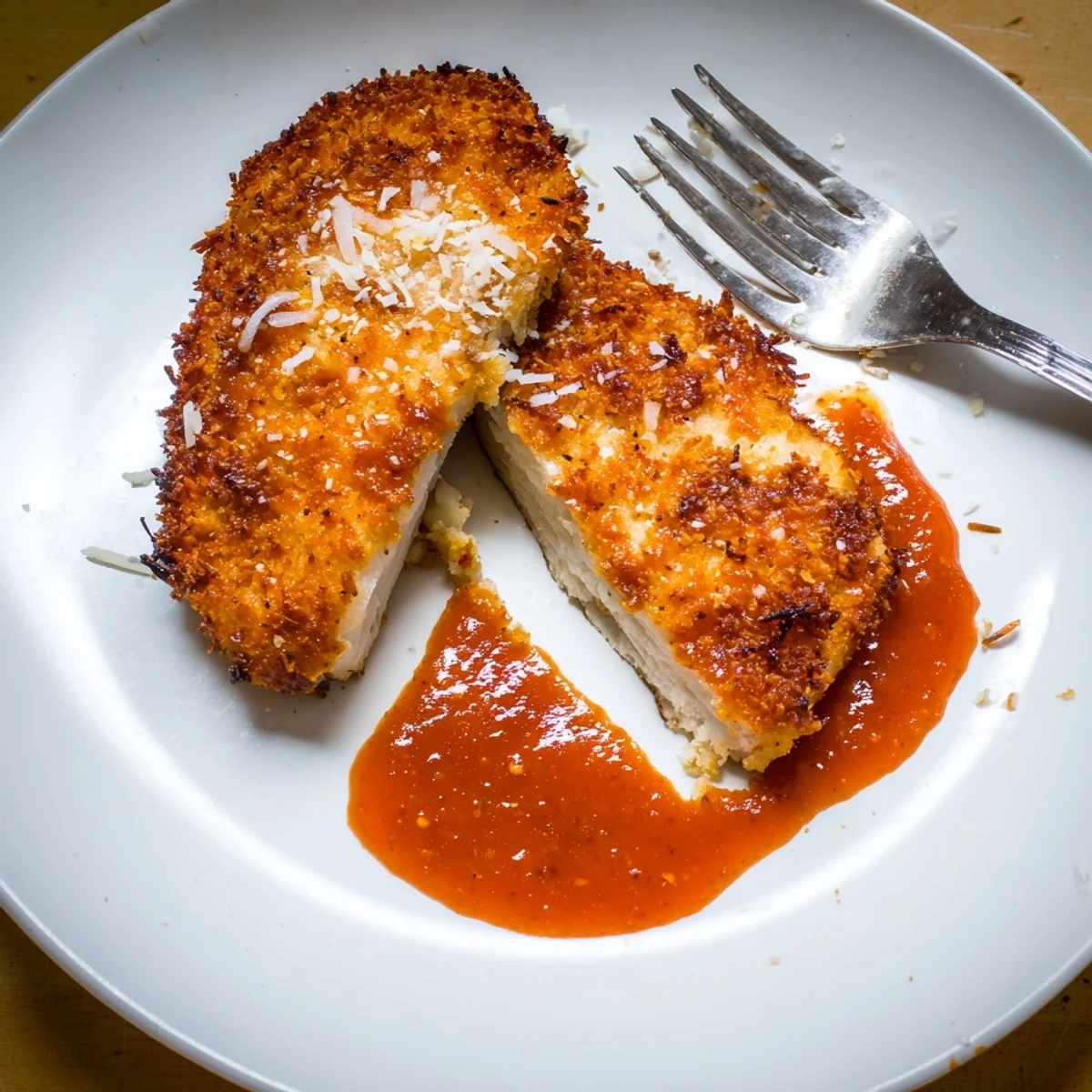
Save The best part of making this dish is hearing that first crunch when someone bites in, followed by the surprised look on their face when the apricot sauce hits. It has converted more than one person who claimed they did not like coconut.
What To Serve Alongside
Jasmine rice is the natural choice because it soaks up the extra sauce like a dream and adds a subtle floral note. A crisp green salad with a lime vinaigrette cuts through the richness beautifully on warmer evenings.
Making It Gluten-Free
Swap the all-purpose flour for a one-to-one gluten-free blend and use gluten-free panko, which is easier to find now than ever. The texture stays practically identical and nobody at the table will notice the difference.
Storing And Reheating Leftovers
Leftovers keep well for up to three days in the refrigerator, though the crust softens overnight which is honestly still delicious in a different way.
- Reheat in a 190 degree Celsius (375 degree Fahrenheit) oven for about ten minutes to bring back some of the crunch.
- Store the apricot sauce separately so it does not make the coating soggy in the container.
- Freezing is not recommended because the coconut crust loses its signature texture after thawing.
 Save
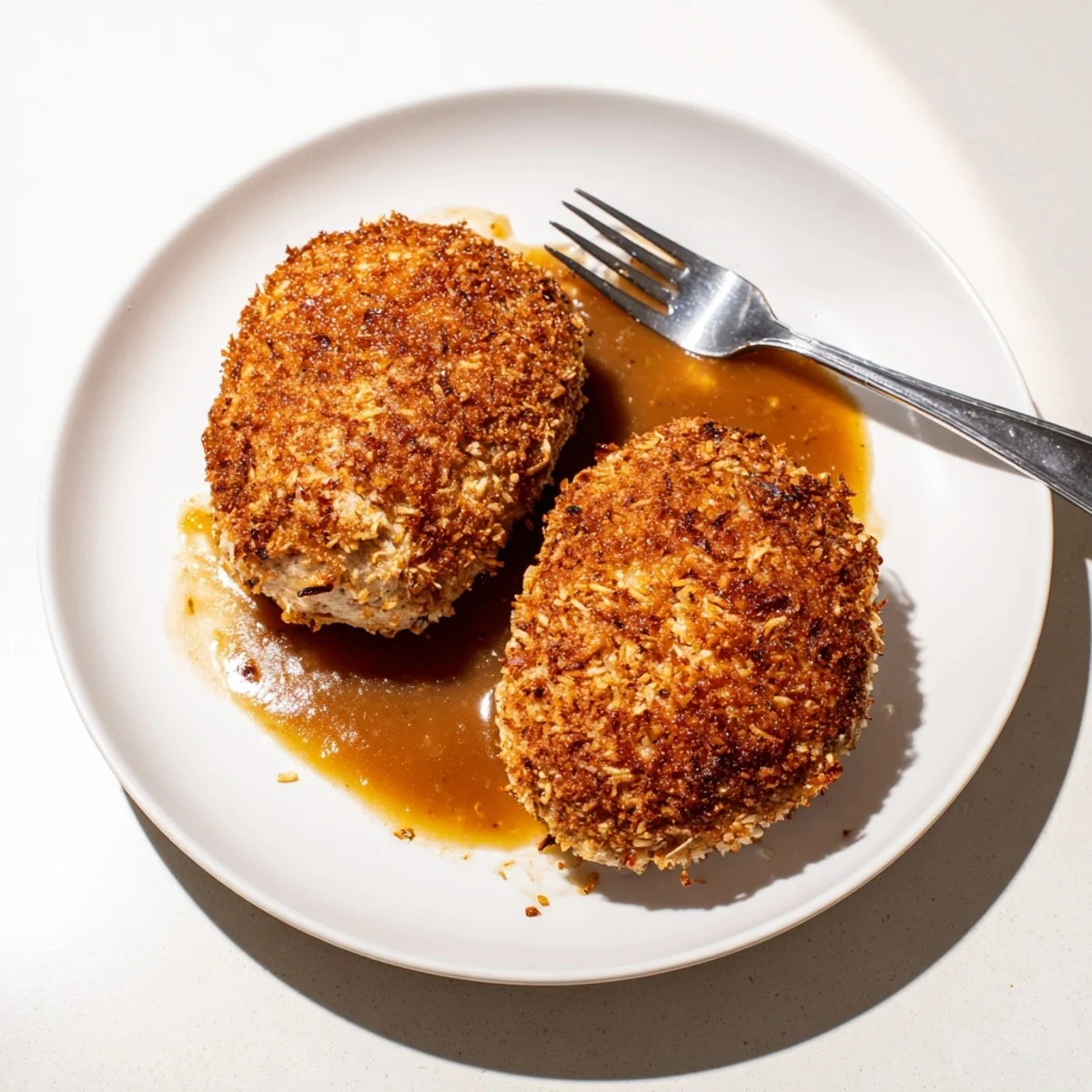
Save Once you master this coconut chicken, it will become one of those dishes you reach for when you want something special without spending hours in the kitchen. Trust the process, embrace the sizzle, and enjoy every golden bite.
Recipe FAQs
- → How do I keep the coconut coating crisp after baking?
-
Fry the coated breasts briefly to set the crust before transferring to a hot oven. A high initial skillet heat seals the breading; finish in the oven to cook through without sogginess.
- → Can I make the apricot sauce less sweet?
-
Reduce the preserves and add extra rice vinegar or a splash of lime juice to boost acidity. A touch more grated ginger or a pinch of chili flakes will also balance sweetness.
- → What are good gluten-free substitutions for the breading?
-
Use a gluten-free all-purpose flour for dredging and swap panko for crushed gluten-free cornflakes or certified gluten-free breadcrumbs alongside shredded unsweetened coconut.
- → Is there an alternative to frying in oil?
-
For less oil, shallow-sear the coated chicken in a nonstick skillet with a light brush of oil, then bake on a rack so air circulates and the coating stays crisp while the interior reaches temperature.
- → How long should the chicken rest before serving?
-
Let the cooked chicken rest 3–5 minutes on a cutting board to allow juices to redistribute; this keeps slices moist and prevents the apricot glaze from running off too quickly.
- → What side dishes pair well with this dish?
-
Serve with jasmine rice to soak up the glaze, a crunchy green salad for contrast, or grilled vegetables to keep a tropical, light balance on the plate.