
 Save
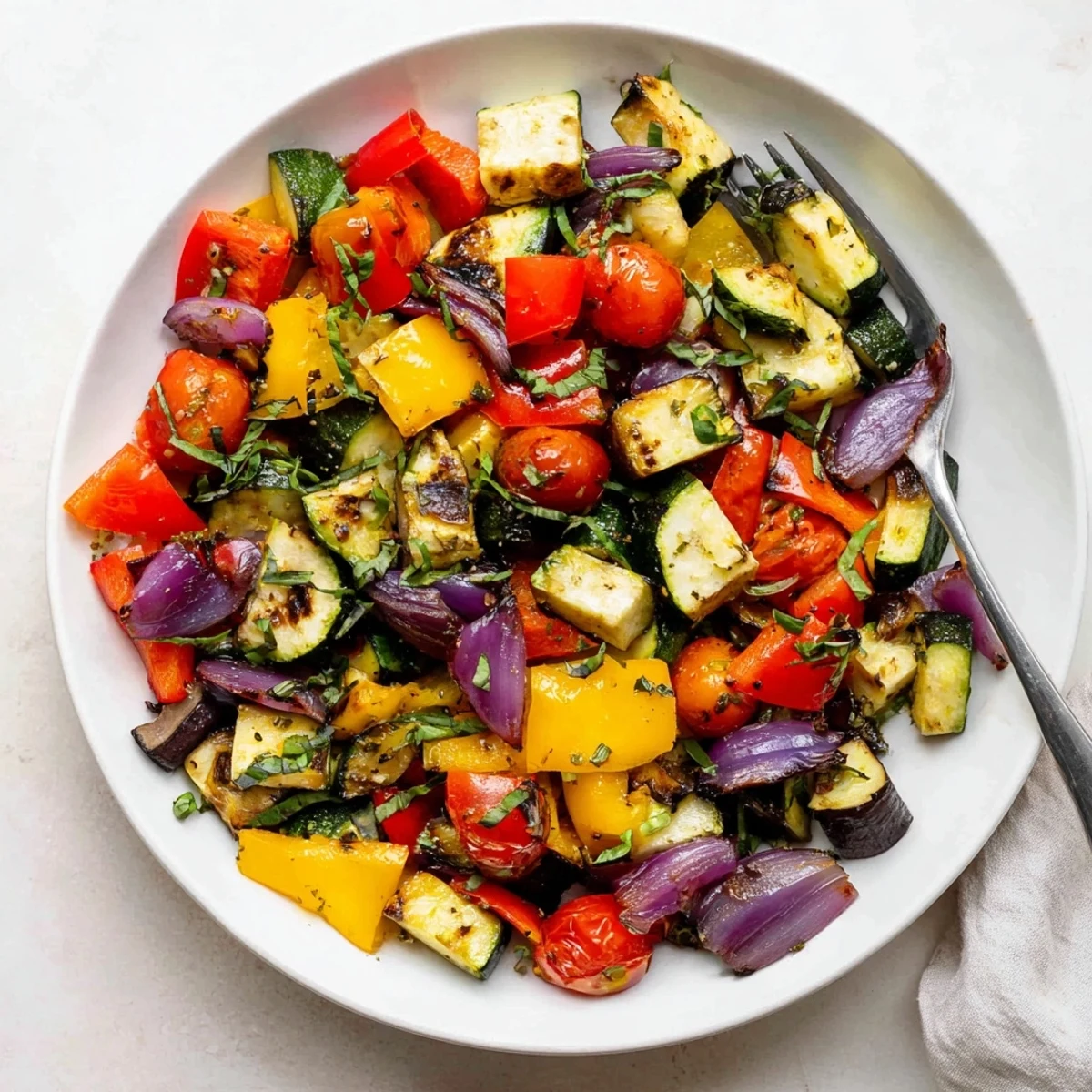
Save This classic Mediterranean roasted vegetable dish brings together red and yellow bell peppers, zucchini, eggplant, red onion, and cherry tomatoes, all tossed in extra virgin olive oil with minced garlic, dried oregano, and thyme. After 30 to 35 minutes in a hot oven, the vegetables emerge tender and lightly caramelized, finished with fresh chopped basil. The result is a colorful, healthy side that pairs beautifully with grilled fish or chicken, or works as a topping for pasta, rice, and quinoa. Ready in about 55 minutes with just 20 minutes of hands-on prep, it is naturally vegetarian, vegan, and gluten-free. A sprinkle of feta or olives and a pinch of smoked paprika are easy ways to switch up the flavors.
My kitchen smelled like a Greek island the afternoon I first pulled a tray of these roasted vegetables out of the oven. I had no grand plan, just a farmers market haul that needed using and a bottle of olive oil I had been saving for something worth it. That tray disappeared before dinner was even fully plated.
I made these for a backyard dinner once and my friend Maria, who grew up in a Greek household, went quiet after her first bite. She said the oregano reminded her of her mothers cooking and asked for the recipe before we even finished eating. That felt like the highest compliment a simple vegetable dish could earn.
Ingredients
- Red bell pepper: Provides sweetness that deepens beautifully when roasted, and cutting it into slightly larger chunks prevents it from getting mushy
- Yellow bell pepper: Adds a different sweetness note and color contrast that makes the platter look incredible
- Zucchini: Slice it no thicker than your thumb or it will not caramelize properly in the roasting time
- Eggplant: The star that soaks up all the olive oil and herbs, cubed into even pieces so every bite is consistent
- Red onion: Wedges hold their shape better than slices and get those gorgeous charred tips
- Cherry tomatoes: Halving them lets them burst and create a natural sauce right on the tray
- Extra virgin olive oil: Do not skip quality here because it carries most of the Mediterranean flavor
- Garlic: Minced finely so it distributes evenly and roasts into sweet golden bits instead of burning
- Dried oregano: The dried version actually works better here than fresh because it holds up to high heat
- Dried thyme: Adds an earthy warmth that balances the brighter oregano
- Sea salt: Helps draw moisture out of the vegetables which is what creates that caramelization
- Freshly ground black pepper: Grind it right before using because preground loses all its heat and complexity
- Fresh basil: Added after roasting so it stays bright and fragrant instead of turning black and bitter
Instructions
- Prep the oven and tray:
- Get your oven ripping hot at 220°C and line a large baking sheet with parchment paper so nothing sticks and cleanup takes ten seconds.
- Toss everything together:
- Pile all the chopped vegetables into your biggest bowl, drizzle the olive oil over the top, then add garlic, oregano, thyme, salt, and pepper. Use your hands to toss because you can feel exactly where the coating is uneven.
- Spread in a single layer:
- This step matters more than people think. Crowded vegetables steam instead of roast, so use two trays if you need to rather than piling them up.
- Roast until caramelized:
- Slide the tray into the oven for 30 to 35 minutes, pulling it out at the halfway mark to give everything a good stir. You are looking for tender centers and those dark brown edges that mean real flavor has developed.
- Finish with fresh basil and serve:
- Let the tray cool for just a couple of minutes, then scatter the chopped basil over the top and tumble everything onto a platter. Warm or room temperature both work beautifully.
 Save
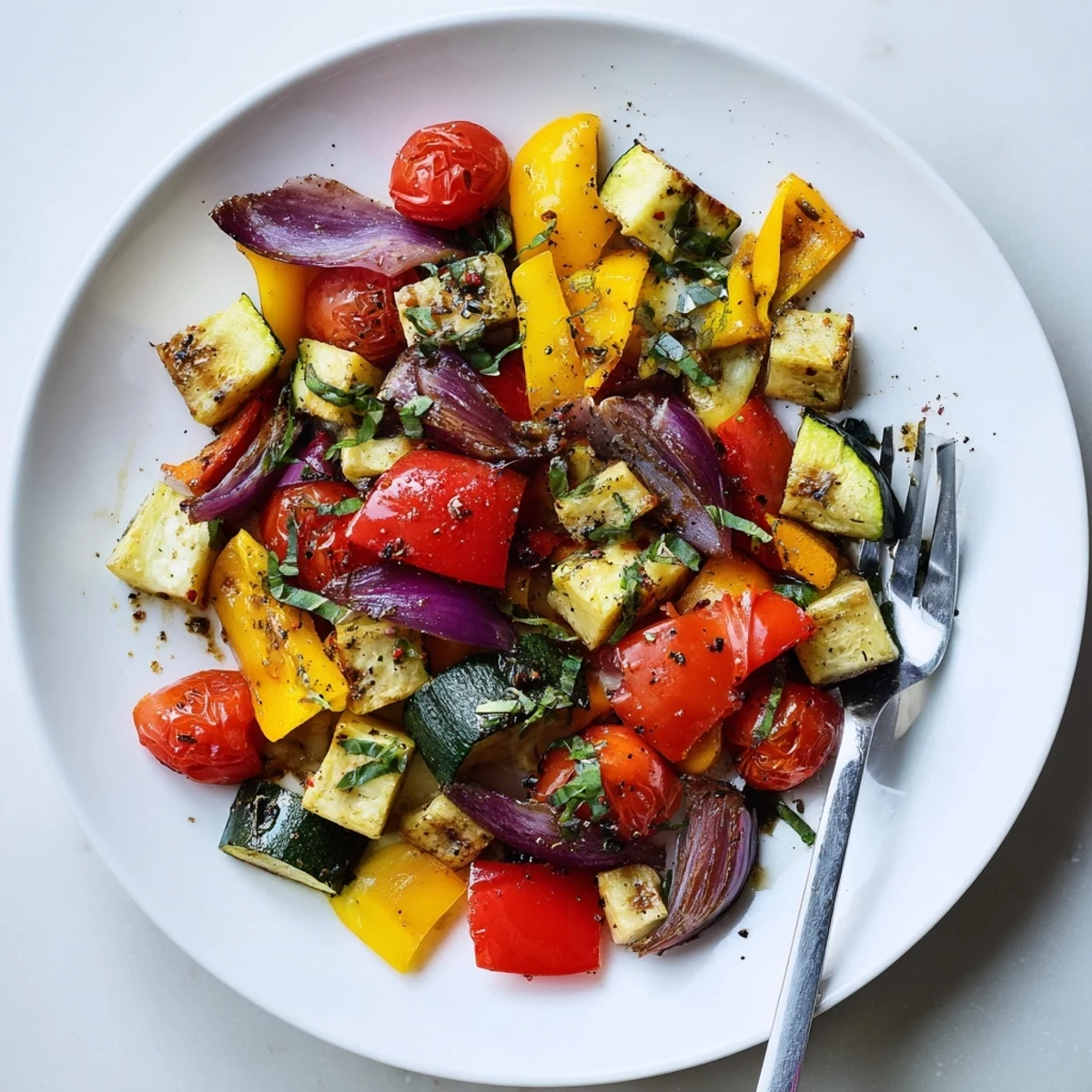
Save There was a stretch last summer where I made these three times a week and never got tired of them. Each batch came out slightly different depending on which vegetables looked best at the market that morning, and that unpredictability became my favorite part.
Choosing the Right Vegetables
I have learned that the best results come from vegetables at their peak ripeness. A slightly soft zucchini or a deeply colored pepper will roast with more concentrated flavor than something picked too early. Trust your nose and hands at the market more than the perfect looking display.
Serving It Different Ways
These vegetables are ridiculously versatile once you have a tray ready. I have spooned them over crusty bread, folded them into scrambled eggs the next morning, and tossed them with hot pasta for a five minute dinner that felt like it took an hour.
Make Ahead and Storage Tips
They actually taste better after sitting for a bit because the flavors continue to meld together. I often roast a double batch on Sunday and eat from it for days without any loss in quality.
- Store in an airtight container in the fridge for up to four days
- Reheat in a dry skillet to bring back some of the roasted edge
- They freeze well for up to two months if you need to stockpile
 Save
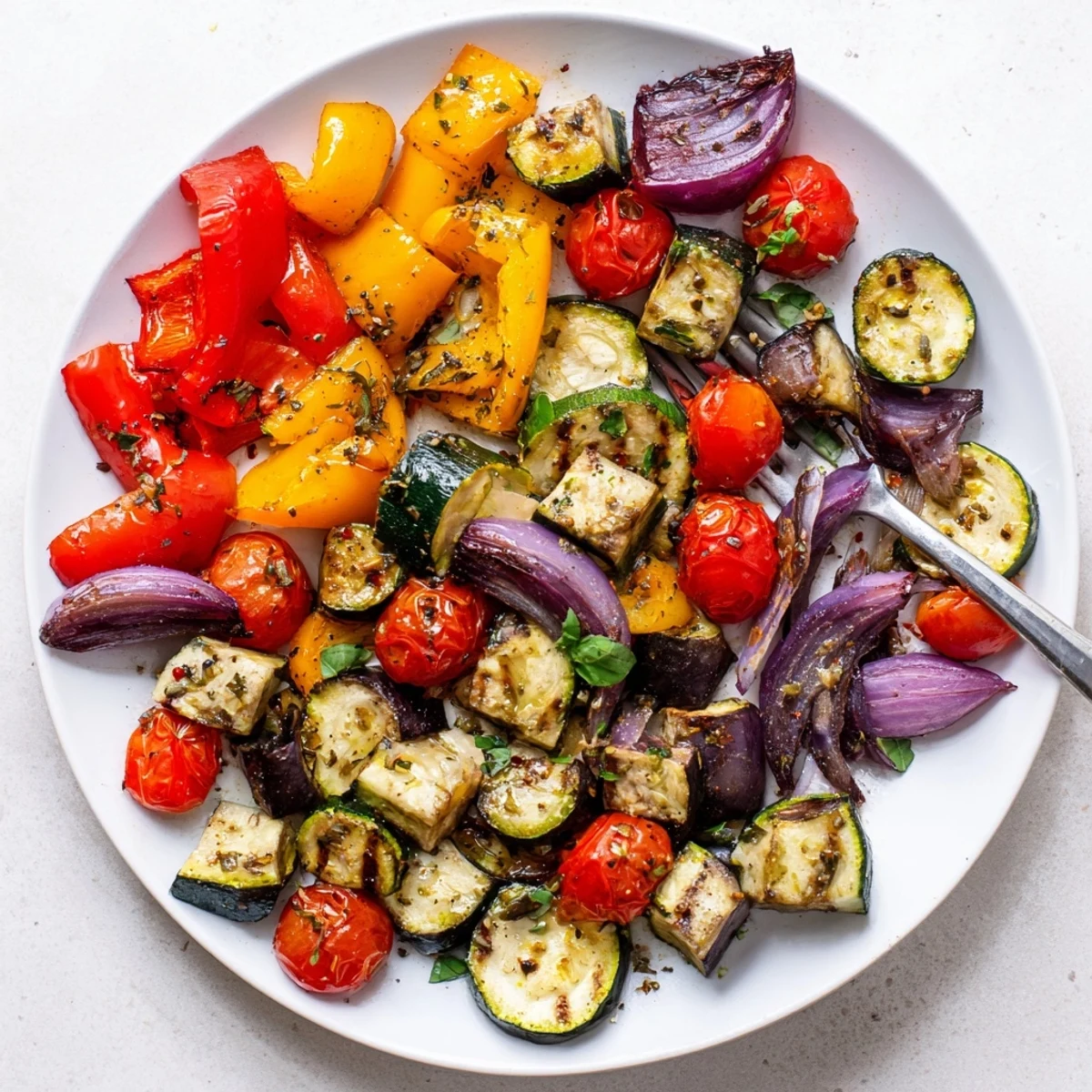
Save Sometimes the simplest dishes are the ones that end up meaning the most. This tray of vegetables has been the backdrop to more good meals and good conversations than I can count.
Recipe FAQs
- → What vegetables work best for Mediterranean roasting?
-
Bell peppers, zucchini, eggplant, red onion, and cherry tomatoes are classic choices. You can swap in whatever is seasonal — think cauliflower, broccoli, or asparagus — for equally great results.
- → Can I prepare the vegetables ahead of time?
-
Yes, you can chop and season the vegetables up to a day in advance. Store them in an airtight container in the fridge, then spread on a baking sheet and roast when ready.
- → What temperature is ideal for roasting these vegetables?
-
220°C (425°F) gives the best balance of tender interiors and lightly caramelized edges. Higher heat promotes that desirable browning without overcooking.
- → How do I prevent the vegetables from steaming instead of roasting?
-
Spread them in a single layer with space between pieces on a parchment-lined sheet. Overcrowding traps moisture and leads to steaming rather than caramelization.
- → Is this dish suitable for vegan and gluten-free diets?
-
The base version is completely vegetarian, vegan, and gluten-free. Just skip optional additions like feta cheese to keep it fully plant-based and allergen-friendly.
- → Can I add protein to make it a complete meal?
-
Chickpeas or white beans blend in seamlessly before roasting. You can also serve it alongside grilled chicken, shrimp, or halloumi for a heartier plate.