
 Save
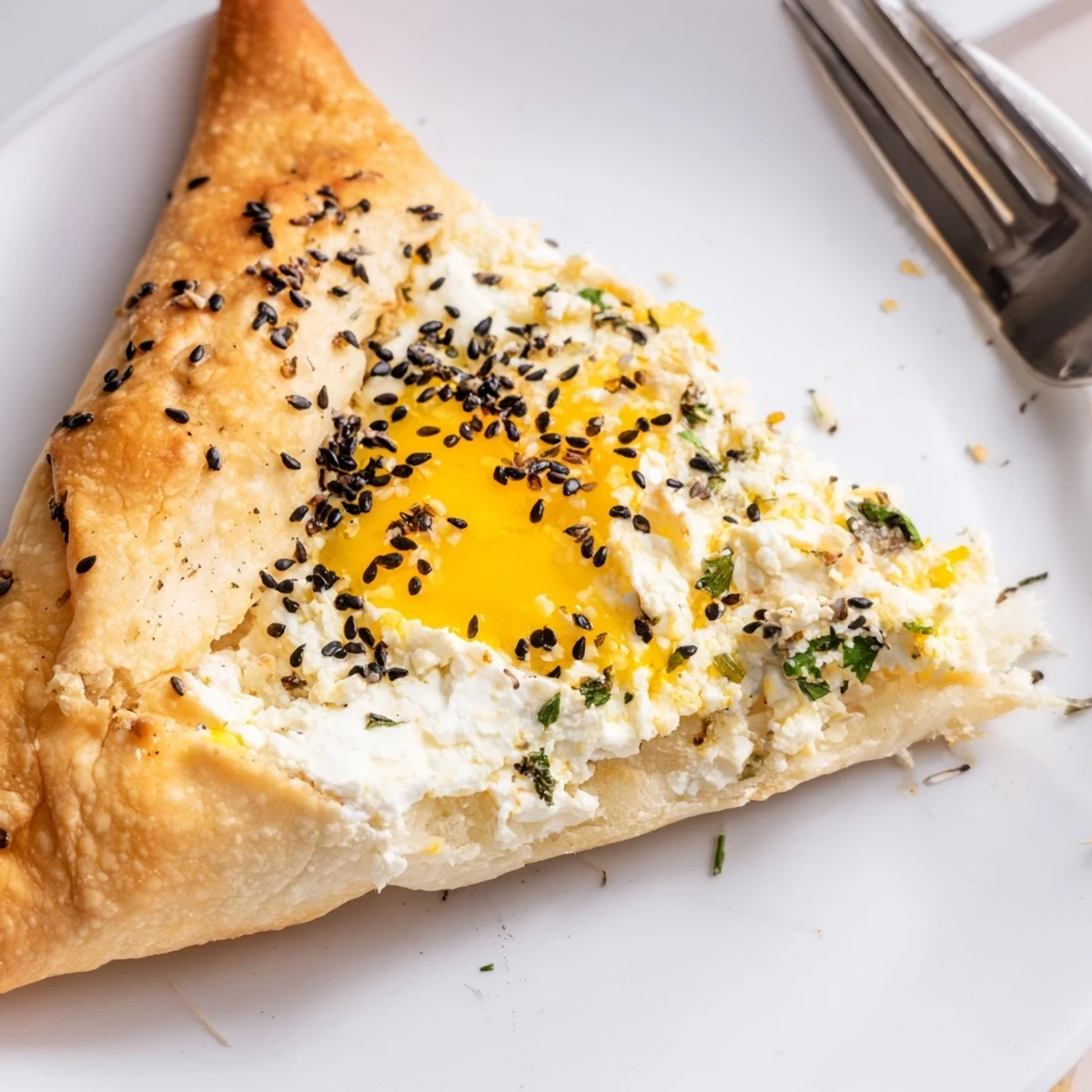
Save Begin with a soft, elastic yeasted dough and let it rise until doubled. Mix crumbled feta with shredded mozzarella, chopped parsley, nigella (optional) and an egg white to bind. Roll dough into rounds, add filling, fold into a sealed triangle or oval, brush with yolk wash, and bake at 375°F until golden. Serve warm with mint, tomatoes or olives; swap cheeses to vary the flavor.
One afternoon, when the house was unusually quiet except for the gentle whirring of the oven, the smell of warm bread filled my little kitchen. That was the first time I attempted cheese fatayer—delicate pastry pockets that seemed almost too pretty for a weekday snack. I remember feeling skeptical that I could replicate their bakery perfection. By the time they emerged perfectly golden and fragrant, I'd become quietly obsessed with the process.
When my friend dropped by unannounced with stories to share, we ended up eating fatayer straight off the tray, hands dusted with flour and laughter echoing louder than the timer. Somehow, a spontaneous visit made the batch taste even better, warm from the oven and surrounded by impromptu company.
Ingredients
- All-purpose flour: Its neutral profile creates a versatile, tender dough—sifting first helps avoid any clumps.
- Instant dry yeast: Trust me, letting it wake up in warm milk gives just the right lift.
- Sugar: A pinch brings balance and encourages the best rise from your yeast.
- Salt: Never skip it as it anchors all the flavors together.
- Olive oil: Adds moisture and a subtle fruity hint, keeping the dough soft.
- Warm milk: Slightly warmer than body temperature will yield a pillowy dough (I test a drip on my wrist).
- Feta cheese: Crumbling it by hand ensures there are no big salty chunks, and you get even flavor.
- Mozzarella cheese: Shredded, it pulls everything together for that gooey, stretchy bite.
- Fresh parsley: Finely chopping brings a fresh, unexpected pop in each bite.
- Nigella seeds or black sesame: Sprinkle some for a subtle crunch and earthy flavor—totally optional, but worth it.
- Egg white: Mixing it into the cheese filling makes it creamy and helps bind everything.
- Black pepper: Crack fresh over the cheese—dont be shy, it cuts through the richness.
- Egg yolk: Saved just for brushing, it gives those bakery-perfect golden tops.
- Milk or water: Whisked with egg yolk for a smooth, glossy finish as they bake.
Instructions
- Start the dough:
- Whisk together flour, yeast, sugar, and salt in a wide bowl—the scent of olive oil mixing in will always remind you of this step. Gradually pour in warm milk, kneading until the dough comes together smooth and elastic; add a little more milk if it seems too dry.
- Let it rise:
- Cover with a towel and set somewhere warm for about an hour, until the dough puffs up and feels pillowy to the touch.
- Prep the filling:
- In another bowl, toss together feta, mozzarella, parsley, nigella seeds if using, egg white, and a few grinds of pepper—the colors and scent are half the fun.
- Shape the dough:
- Punch down the dough (most satisfying part), then divide into twelve even pieces. Roll each into a ball, then flatten them into little circles like soft cushions, about four inches across.
- Fill and shape:
- Spoon a generous tablespoon of cheese mixture onto each round, fold the edges over into triangles or ovals, and pinch those seams tightly (no peeking cheese, please).
- Prepare for baking:
- Arrange on a parchment-lined baking sheet, leaving space for puffing. Mix egg yolk with milk or water and brush lovingly atop each pastry.
- Bake to golden:
- Slide the tray into a preheated 375°F oven and bake for 18 to 22 minutes, watching for a warm, golden hue before letting them cool for a few moments—trust me, patience is hard here.
 Save
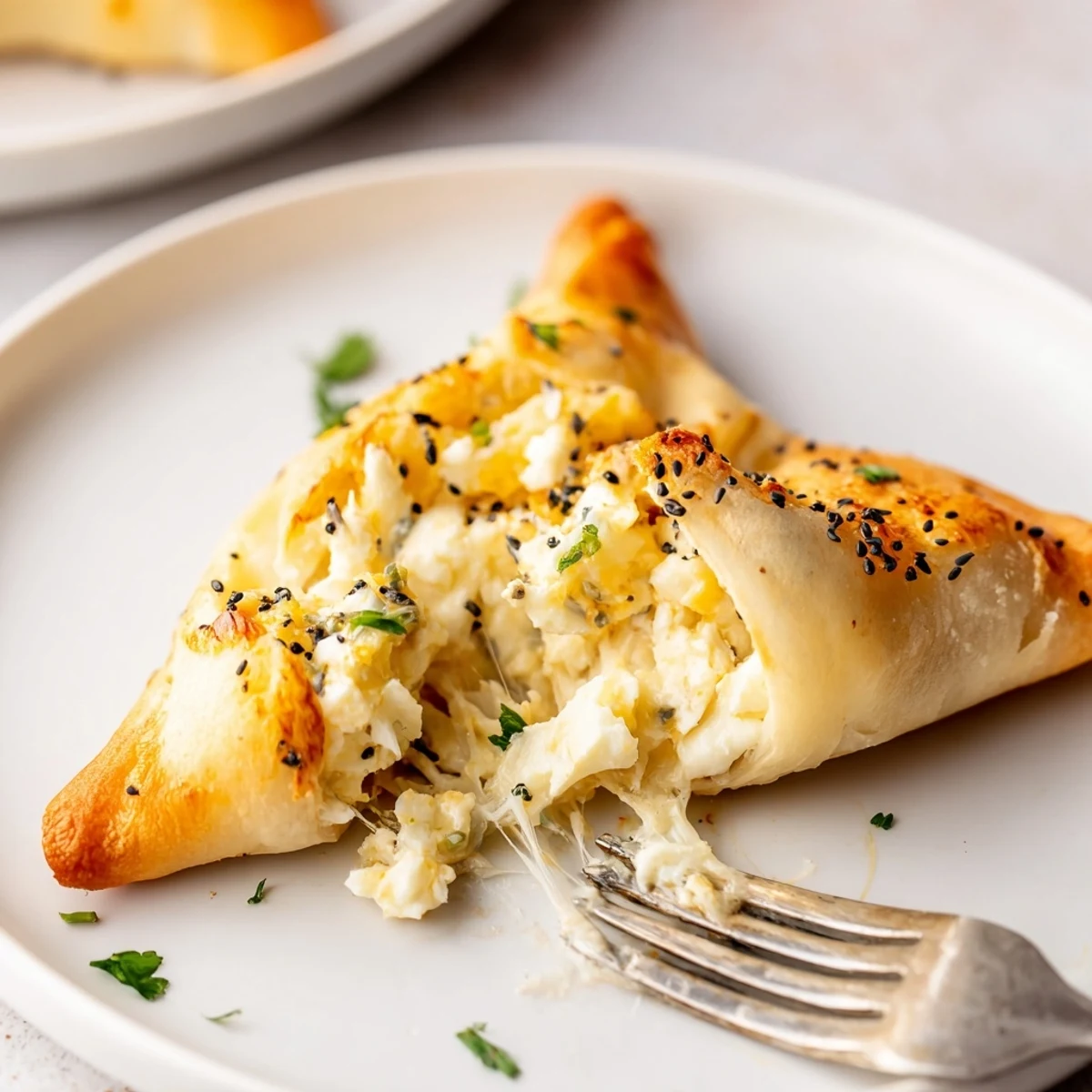
Save There was a day when a simple plate of fatayer turned into a centerpiece at my family brunch, gathering everyone around before anything else hit the table—the smiles said everything words couldn’t capture.
Getting That Golden Finish
Brushing with egg yolk mixed with a splash of milk creates that glowing, bakery-style shine. If you’re feeling extra, a sprinkle of nigella or sesame seeds adds just enough crunch to tempt fingers before fatayer even hit the plates.
Customizing Your Cheese Blend
Switching up the cheeses changes the mood of the whole batch—ricotta mellows things out, halloumi brings surprise saltiness, and extra mozzarella gives supreme stretch. Even a handful of chopped fresh mint or a whisper of dried oregano makes a world of difference.
Serving Suggestions and Final Touches
Fatayer might be perfect warm, but don’t underestimate them at room temperature—they’re picnic ready or just waiting next to your coffee. Serve with cherry tomatoes, olives, or a spray of fresh mint leaves for color and an herby aroma, and dont forget a little lemon squeeze if that’s your thing.
- Try assembling and freezing the unbaked fatayer for a quick snack fix anytime.
- If reheating, spritz lightly with water so they stay tender inside.
- Letting them cool just few minutes makes the cheese set perfectly for bites on-the-go.
 Save
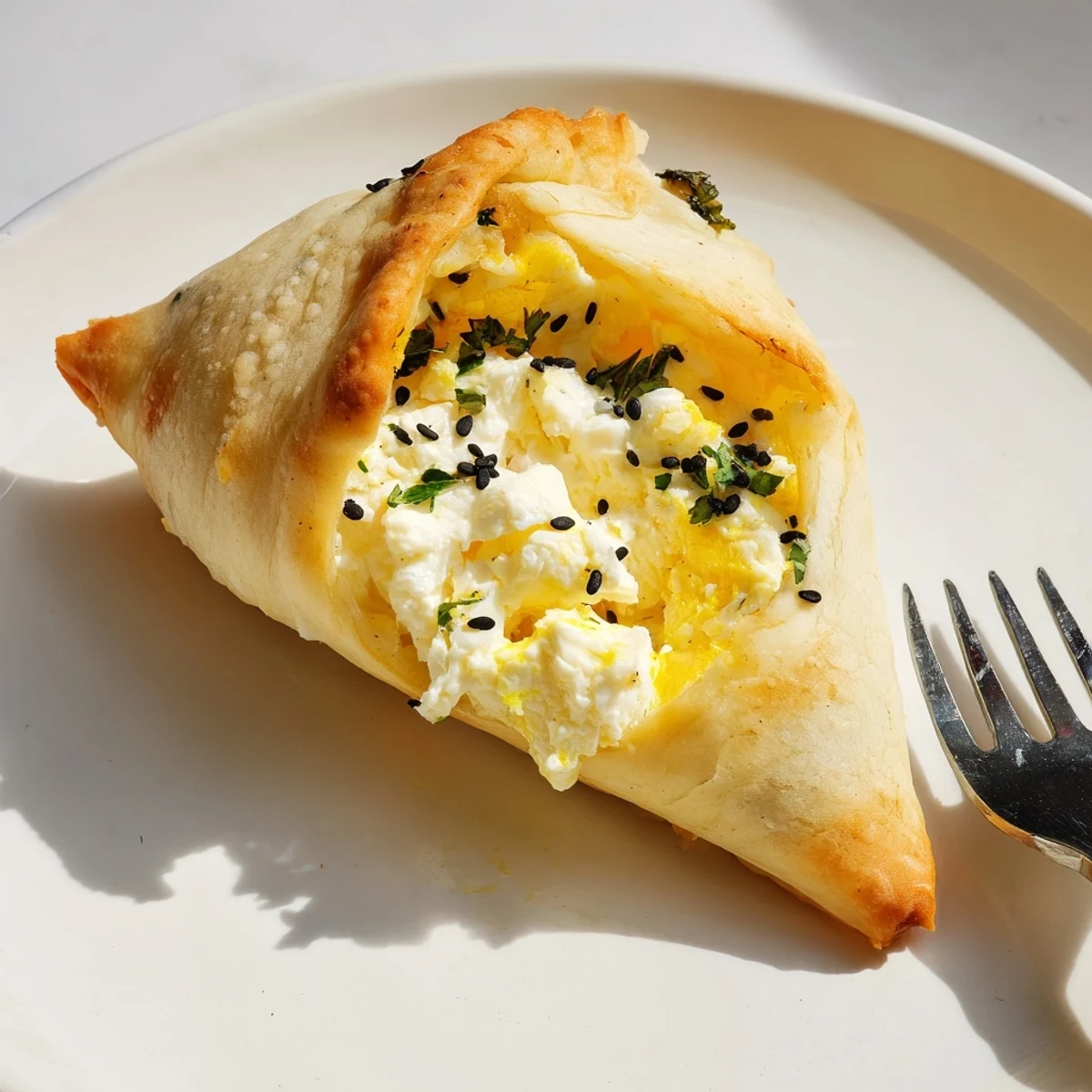
Save No matter the occasion, cheese fatayer have a way of drawing people in. Share a tray, and watch them disappear with happy sighs and lingering crumbs.
Recipe FAQs
- → How can I prevent the filling from leaking during baking?
-
Use a small amount of filling and press seams firmly when sealing. The egg white in the filling helps bind the cheeses; chilling shaped pieces briefly before baking can also reduce leaking.
- → Which cheeses work best as alternatives to feta and mozzarella?
-
Try ricotta for creaminess, halloumi for a saltier bite, or kasseri for a mellow tang. Mixing a crumbly cheese with a melting cheese gives good texture and flavor balance.
- → How do I get a crisp, golden bottom on each pocket?
-
Preheat the baking sheet in the oven so the dough hits a hot surface, and bake on a middle rack. An egg-yolk wash or a light brush of olive oil helps promote browning.
- → Can fatayer be prepared ahead of time or frozen?
-
You can shape them and freeze on a tray, then transfer to a bag for longer storage. Bake from frozen, adding a few extra minutes, or refrigerate shaped pieces for a few hours before baking.
- → How should I store leftovers and reheat them?
-
Keep cooled pieces in an airtight container in the refrigerator for up to 2 days. Reheat in a preheated oven or toaster oven to restore crispness rather than microwaving.
- → Any tips for adjusting the dough for softer or flakier results?
-
For a softer interior, avoid overbaking and ensure the dough is well-hydrated. For a flakier texture, incorporate a little extra olive oil and handle the dough gently without over-kneading.