
 Save
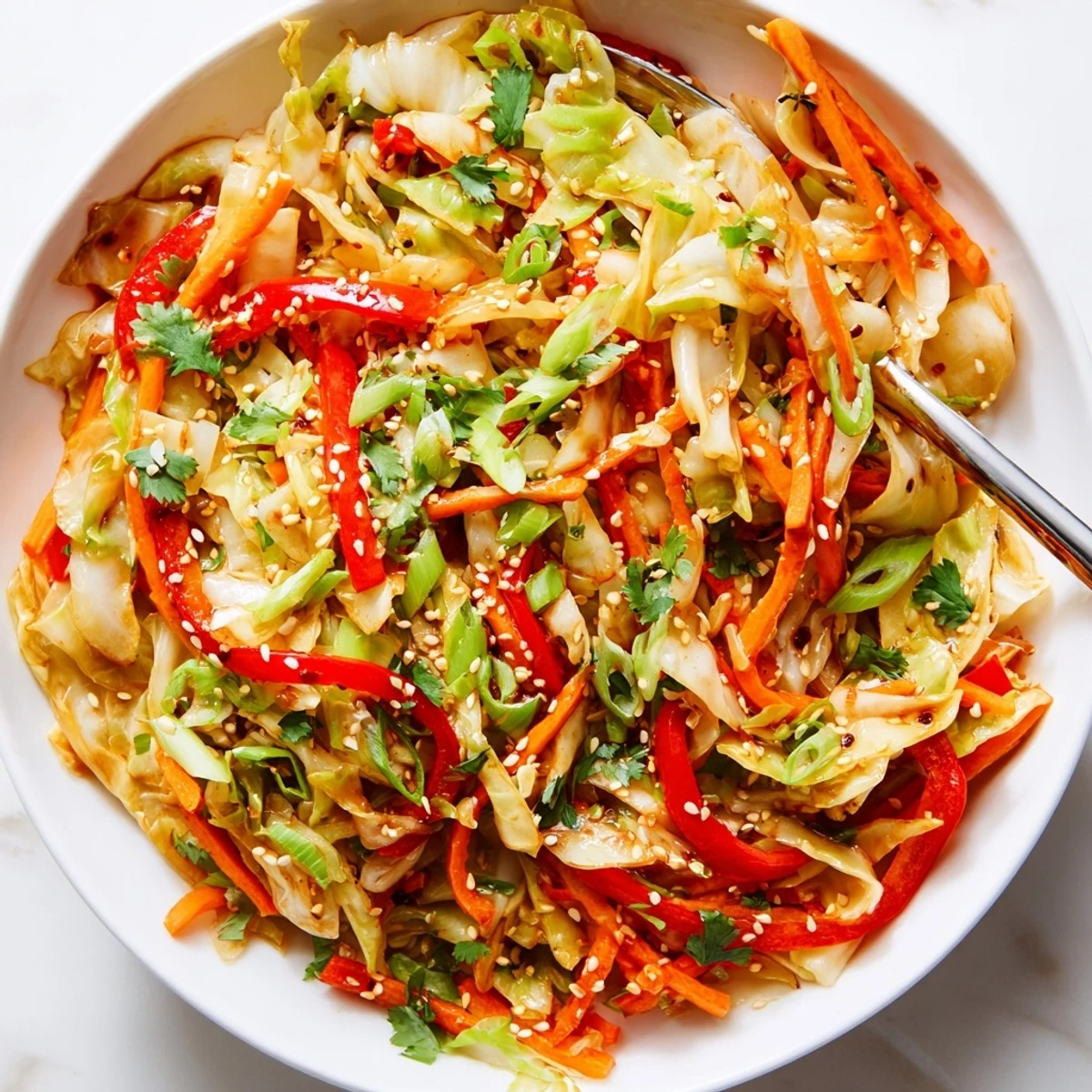
Save This vibrant cabbage stir fry combines crisp vegetables with a savory Asian-inspired sauce for a quick, healthy meal. The dish features thinly sliced green cabbage, julienned carrots, and red bell peppers, all cooked in a large wok or skillet over medium-high heat to maintain their crunch. A simple sauce made with soy sauce, sesame oil, rice vinegar, and a touch of maple syrup creates the perfect balance of savory and slightly sweet flavors. Fresh ginger and garlic add aromatic depth, while toasted sesame seeds and green onions provide a finishing touch. This versatile dish serves four and comes together in just 25 minutes, making it ideal for busy weeknight dinners or meal prep.
The kitchen was quiet except for the sound of my knife cutting through cabbage—that satisfying crisp crunch that makes you feel like you're actually cooking something real. I'd been meaning to use up that head of green cabbage sitting in my crisper drawer for days, and something about the rainy afternoon made me crave hot, savory food that came together fast. This stir fry ended up being exactly what I needed: quick enough for a weeknight but interesting enough to feel special.
Last Tuesday my friend Sarah dropped by unexpectedly while I was making this, and she literally stood over the stove eating it straight from the wok with a fork. She swore she didn't even like cabbage but kept saying 'wait, this is actually good' between bites. Now she texts me every time she makes it herself, usually with some variation like 'I added extra peppers' or 'I may have doubled the sauce.'
Ingredients
- 1 medium head green cabbage, thinly sliced: Look for a head that feels heavy and has tight leaves—the fresher it is, the better that satisfying crunch will be in the final dish
- 1 large carrot, julienned: These add sweetness and color that make the whole dish feel vibrant and cheerful
- 1 red bell pepper, thinly sliced: I've learned that cutting these into thin strips helps them cook at the same speed as the cabbage
- 2 green onions, sliced: Save these for the end so they stay bright and fresh, adding a little pop of onion flavor without overwhelming anything
- 2 cloves garlic, minced: Fresh garlic makes such a difference here—don't be tempted to use the jarred stuff
- 1-inch piece fresh ginger, grated: Peel it with a spoon to get all that knobby goodness without wasting any of the flavorful root
- 3 tbsp soy sauce: This is the savory backbone, so use a brand you actually like the taste of
- 1 tbsp sesame oil: Toasted sesame oil adds that nutty, restaurant-quality aroma that fills your whole kitchen
- 1 tbsp rice vinegar: Just enough acidity to cut through the richness and wake up all the other flavors
- 1 tsp maple syrup or honey: A tiny bit of sweetness helps balance the salty soy sauce and ties everything together
- 1/4 tsp crushed red pepper flakes: Add this if you like a gentle warmth that builds slowly instead of hitting you all at once
- 1 tbsp toasted sesame seeds: These aren't just garnish—they add a nutty crunch that makes every bite more interesting
- Fresh cilantro or parsley, chopped: I almost skipped this once and regretted it—the herbs make the dish taste fresh and alive
Instructions
- Prep your vegetables like you mean it:
- Slice the cabbage into thin ribbons, cut your carrot into matchsticks, and slice the bell pepper into strips—having everything ready before you turn on the heat makes stir-frying feel effortless instead of stressful
- Whisk up your sauce first:
- Combine the soy sauce, sesame oil, rice vinegar, maple syrup, and red pepper flakes in a small bowl, stirring until the syrup or honey dissolves completely
- Get your pan nice and hot:
- Heat your wok or skillet over medium-high heat until you can feel the heat rising when you hold your hand above it
- Wake up the aromatics:
- Add a splash of oil, toss in the garlic and ginger, and stir for about 30 seconds—you'll know they're ready when your kitchen suddenly smells amazing
- Start with the hard vegetables:
- Add the carrot and bell pepper first, stir-frying for 2 to 3 minutes until they start to soften but still have some crunch
- Add the cabbage:
- Toss in all that sliced cabbage and stir-fry for 4 to 5 minutes—you want it to wilt slightly but still stay crisp, not soft and sad
- Bring it all together:
- Pour in your sauce and toss everything until the vegetables are evenly coated and glossy
- Let the flavors meld:
- Cook for another 1 to 2 minutes, stirring constantly, so the sauce reduces slightly and clings to every piece of vegetable
- Finish with the fresh stuff:
- Remove from heat, stir in the green onions, and sprinkle with sesame seeds and herbs before serving
 Save
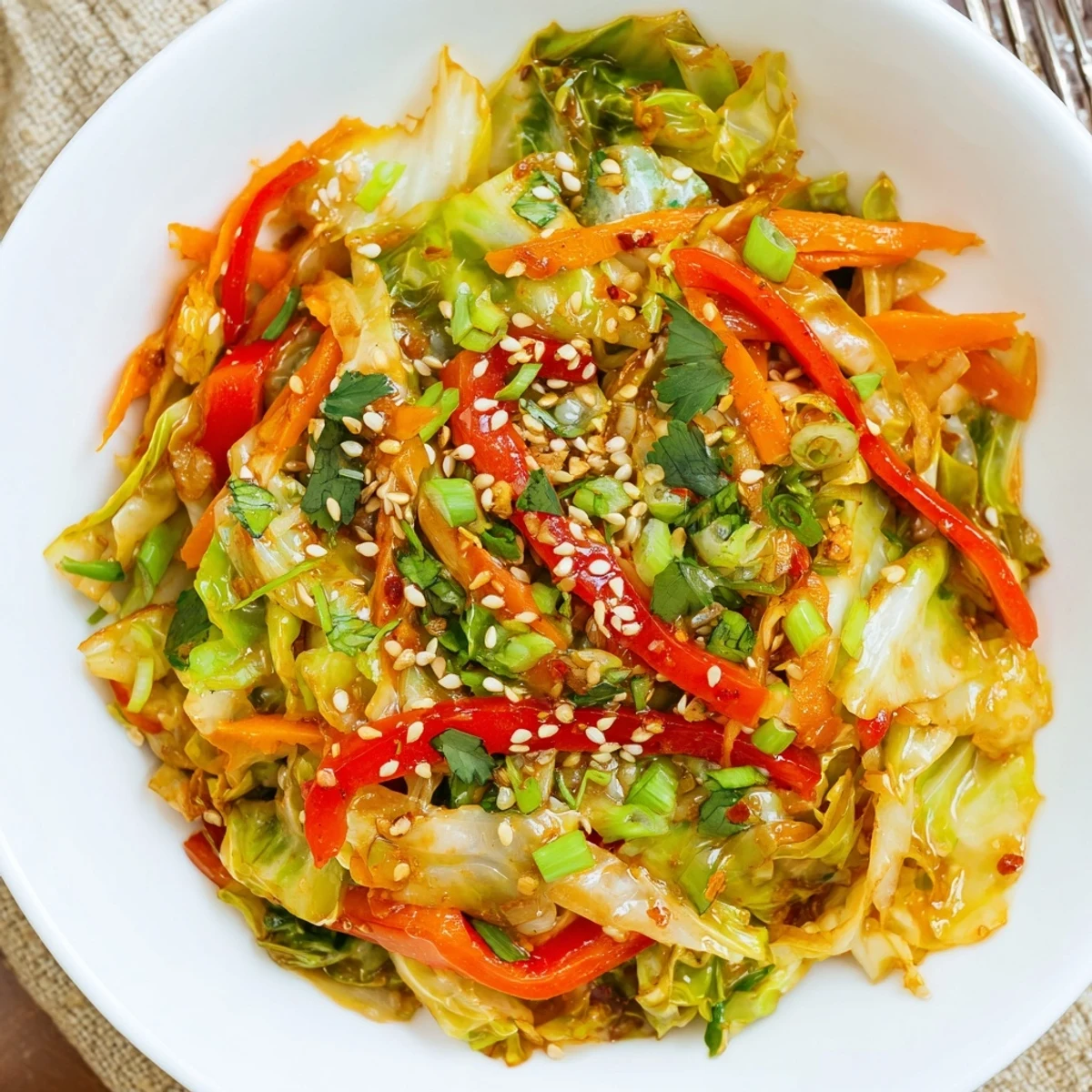
Save This recipe has become my go-to when I want something that feels substantial but doesn't leave me feeling heavy. Last week I made it for my parents, who are pretty traditional about their vegetables, and my dad actually asked for the recipe—that's basically a five-star review in my family.
Making It Your Own
I've discovered this stir fry is incredibly forgiving. Sometimes I'll add snap peas or broccoli if that's what I have on hand, and once I threw in some edamame for protein. The sauce works with pretty much any vegetable combination, so feel free to use what's in your crisper drawer.
Serving Suggestions
While this is perfectly satisfying on its own, I love serving it over steamed brown rice or cauliflower rice for a lighter option. My sister likes to wrap it in lettuce cups for a low-carb version, and I've even piled it onto baked sweet potatoes for a hearty dinner.
Storage & Meal Prep
This actually keeps pretty well in the refrigerator for up to 3 days, though the cabbage does soften a bit. When I meal prep it, I store the sauce separately and reheat the vegetables in a hot skillet before tossing them together—it's almost as good as fresh.
- If you're making this ahead, undercook the cabbage slightly since it will continue cooking when you reheat it
- The sauce can be made up to a week in advance and stored in a jar in the refrigerator
- This recipe doubles beautifully if you're feeding a crowd or want leftovers for lunch
 Save
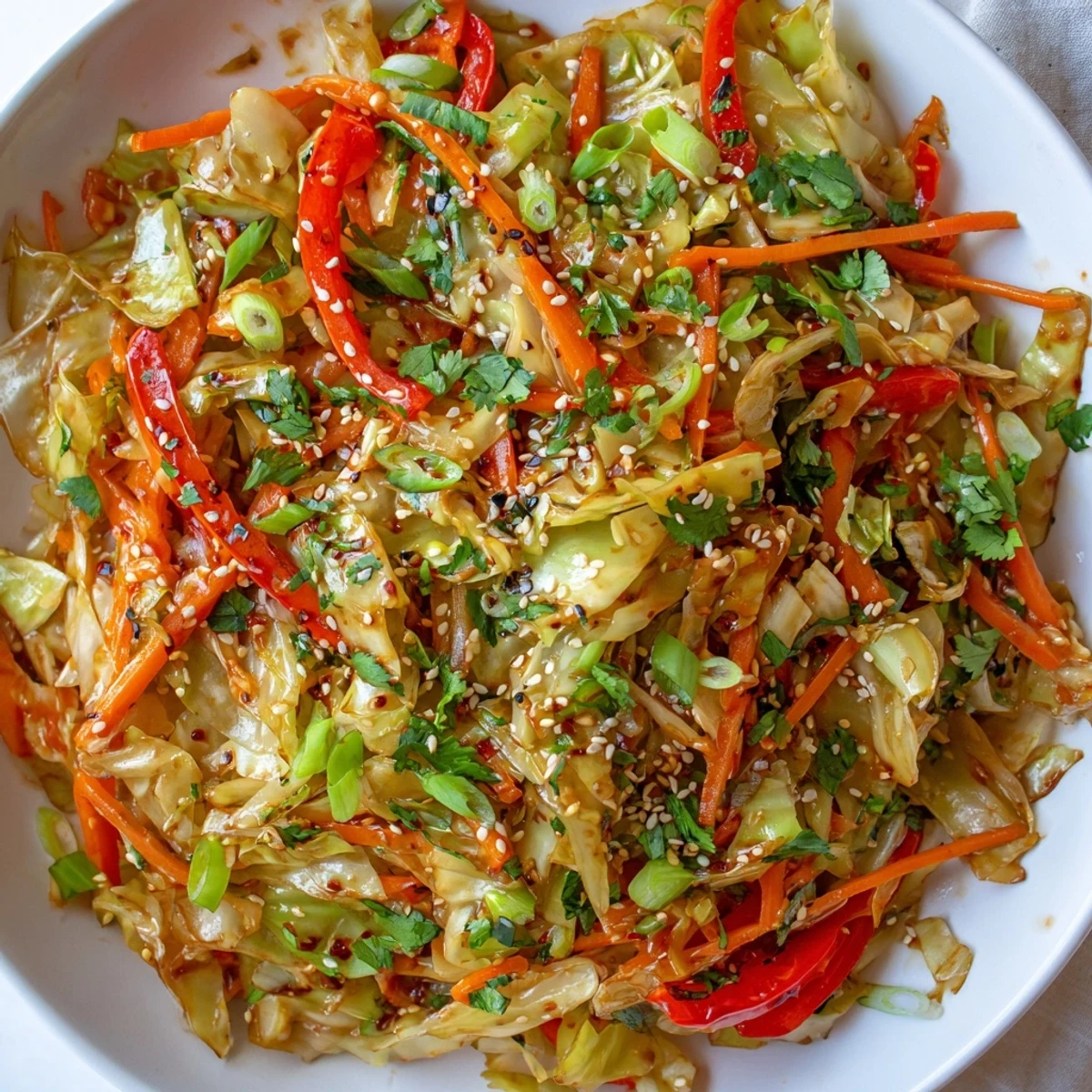
Save There's something so satisfying about turning a humble head of cabbage into something this delicious and vibrant. Hope this becomes one of your quick weeknight staples too.
Recipe FAQs
- → Can I make this stir fry ahead of time?
-
Yes, you can prepare the vegetables and sauce in advance. Store sliced vegetables in airtight containers in the refrigerator for up to 2 days. Keep the sauce separate in a small jar or container. When ready to cook, proceed with the instructions as written—the stir fry will still taste fresh and delicious.
- → What other vegetables can I add?
-
Feel free to customize with additional vegetables such as snap peas, broccoli florets, sliced mushrooms, baby corn, or bok choy. Add harder vegetables like broccoli and carrots earlier in the cooking process, while softer vegetables like snap peas can be added later to maintain their crisp texture.
- → How do I store leftovers?
-
Store cooled leftovers in an airtight container in the refrigerator for up to 3-4 days. Reheat gently in a skillet over medium heat or in the microwave. Note that the cabbage will soften slightly upon reheating, but the flavors will continue to develop and taste even better the next day.
- → Can I make this spicy?
-
Absolutely! Increase the heat by adding more crushed red pepper flakes, or substitute with chili oil or sriracha as suggested in the notes. You can also add fresh chopped chili peppers along with the garlic and ginger, or drizzle with your favorite hot sauce before serving.
- → Is this dish freezer-friendly?
-
While possible, freezing may affect the texture of the cabbage, making it softer upon thawing. If freezing, cool completely and store in freezer-safe containers for up to 2 months. Thaw overnight in the refrigerator before reheating. For best results, enjoy fresh or refrigerated rather than frozen.
- → What protein options work well?
-
Tofu cubes, tempeh, cooked shrimp, sliced chicken breast, or edamame all complement this dish beautifully. Add pre-cooked proteins during step 7 when you add the sauce, or cook raw proteins separately before starting the vegetables to ensure proper cooking times.