
 Save
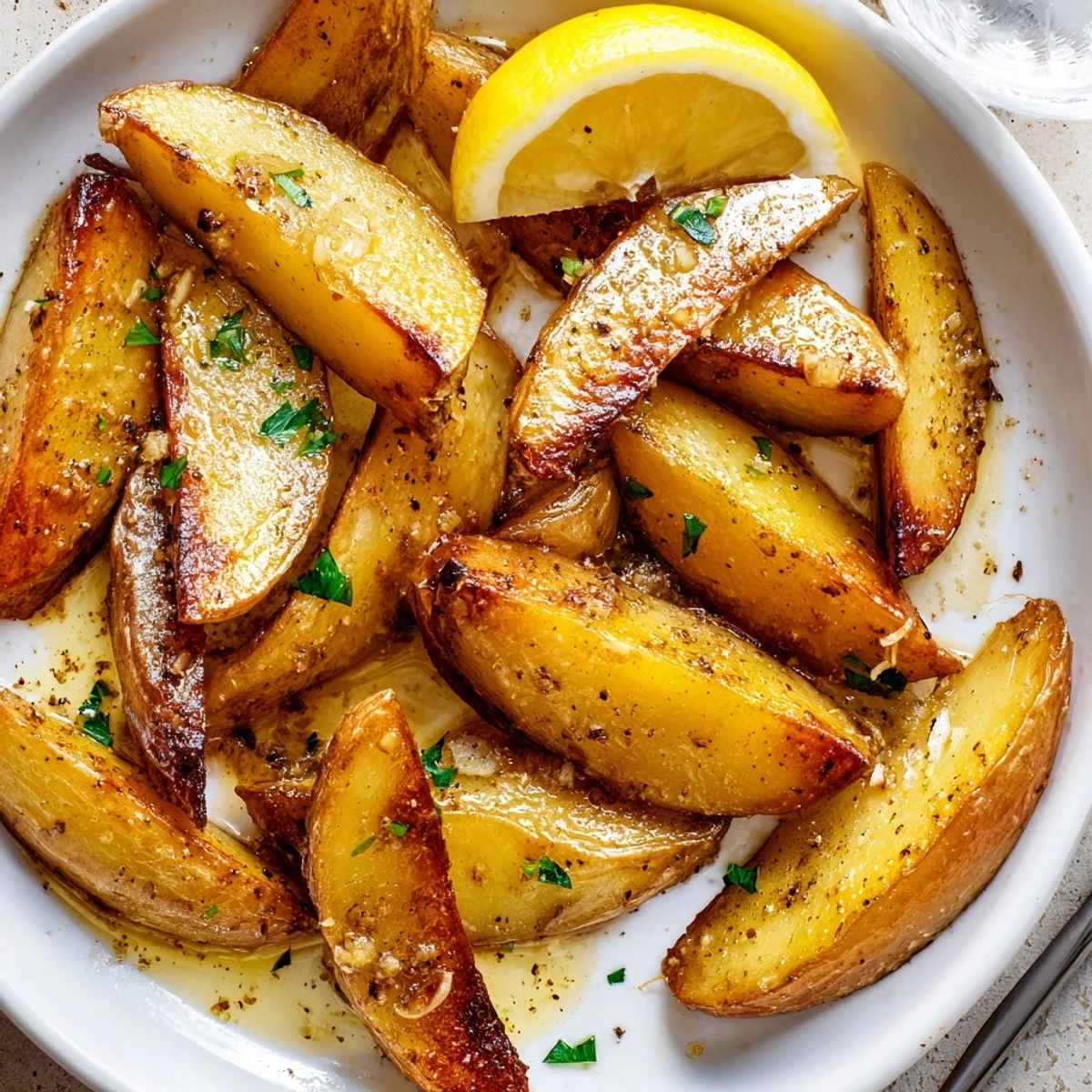
Save These Greek lemon potatoes are tossed in olive oil, lemon juice, garlic, oregano and broth, then roasted until golden and fork-tender. Start at a high temperature to crisp edges, flip midway and spoon pan juices over the wedges. Finish briefly under the broiler for extra crunch and garnish with fresh parsley and lemon slices for bright, aromatic contrast.
The scent of fresh lemons and roasted garlic once filled my entire kitchen as I tried making Greek lemon potatoes for the first time, mostly out of curiosity on a chilly March afternoon. I still remember the sizzle when olive oil hit the roasting pan, and how the tangy marinade clung to my fingers as I tossed everything together. There’s a sort of joy in watching humble potatoes transform simply and beautifully. This is the kind of side dish that sneaks onto the main stage when no one’s looking.
One rainy evening, my friend Sofia stopped by right as the potatoes were finishing in the oven—we stood chatting in the kitchen, drawn in by the sharp citrus aroma rising with every burst of steam. We ate them straight from the tray with just our fingers, laughing as bits of crispy edge broke off and nobody minded the mess.
Ingredients
- Yukon Gold or Russet potatoes: Choose these varieties for both fluffy insides and golden, crispy edges—they hold up perfectly to roasting.
- Extra-virgin olive oil: The richness of a good olive oil is essential here—don’t skimp, and use the peppery kind if you can.
- Fresh lemon juice: Always juice it fresh, and maybe roll the lemons on the counter to get more out of them.
- Garlic cloves: Minced by hand makes the biggest flavor difference; don’t use jarred here.
- Vegetable or chicken broth: Adds juiciness and helps create that luscious pan sauce—I've often used up leftover broth from other meals.
- Dried oregano: Rub it between your fingers as you sprinkle for the best aroma and flavor.
- Sea salt & freshly cracked black pepper: Don’t be shy—potatoes need more seasoning than you think.
- Ground turmeric (optional): Just a pinch for sunshine color; it doesn’t overpower but makes everything look more inviting.
- Chopped fresh parsley & lemon slices (for garnish): These little touches make the dish feel festive and fresh when serving.
Instructions
- Get the oven ready:
- Preheat your oven to a lively 200°C (400°F)—you want real heat for that final crispness.
- Prepare the potatoes:
- Pile up the peeled wedges in a large roasting pan and take a second to arrange them with the cut side down.
- Make the marinade:
- In a mixing bowl, whisk together olive oil, lemon juice, garlic, broth, oregano, salt, pepper, and turmeric until it smells bright and savory.
- Marinate & toss:
- Pour every last drop of marinade over the potatoes, using your hands to toss and coat, then flatten them back out.
- The first roast:
- Slide the pan into the oven for 40 minutes; enjoy the slow transformation as the edges start to color and the kitchen smells amazing.
- Midway flip:
- Carefully turn the potatoes and spoon the flavorful juices over them—this is where they really start to shine.
- Second roast:
- Return them for another 30–35 minutes so they get gorgeously golden and irresistibly crispy at the tips.
- Optional broil:
- Set to broil for 3–5 minutes, hovering with the oven mitts close—don’t blink or they’ll go from perfect to burnt fast.
- Finish and serve:
- Scatter fresh parsley and lemon slices over the hot potatoes, then serve without delay while the edges are still singing.
 Save
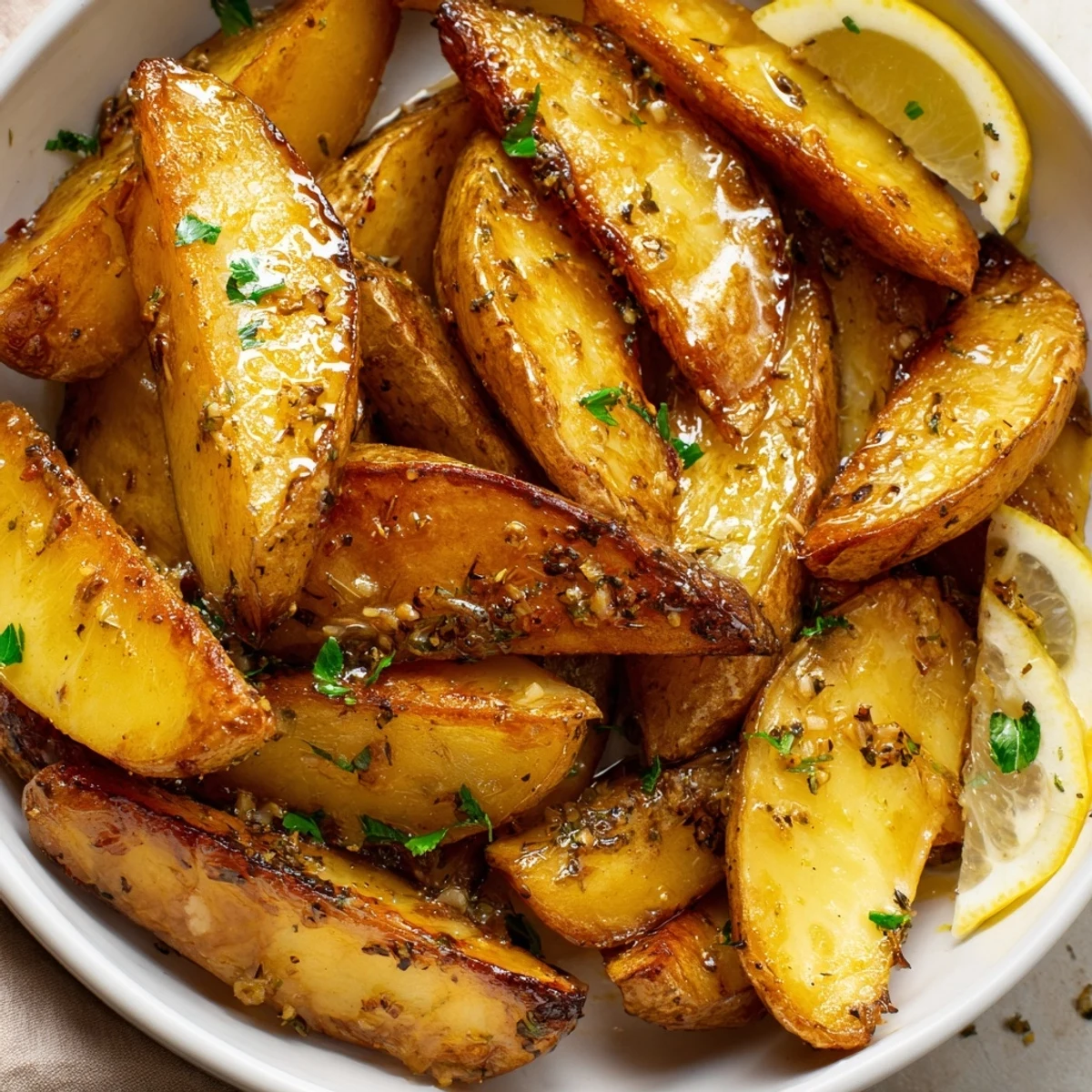
Save This recipe became the centerpiece of a backyard cookout last summer, drawing the loudest compliments—even outshining the grilled lamb. When the platter emptied before anything else, I knew these potatoes had earned a permanent place at the table.
Secret Ways to Elevate Your Potatoes
Baking these potatoes alongside a tray of cherry tomatoes adds a gentle burst of sweet acidity, and I’ve sometimes tossed in leftover rosemary just for fun. If you’d like little extra crunch, toss a pinch of semolina over the potatoes right before baking—it’s a trick a Greek neighbor shared with me.
Pairing Ideas That Never Disappoint
I’ve found these potatoes support everything from seared fish to a mound of Greek salad. Tzatziki or a sprinkle of feta cheese on the side feels especially inviting on warmer days, and my family now expects them as a given with any Mediterranean meal.
Troubleshooting for Potato Perfection
If your potatoes aren’t crisping as you hoped, make sure they’re in a single layer and use a roomy enough pan. Broth should almost evaporate by the end—if it’s pooling, give them a little more time in the oven. Even when mistakes happen, these potatoes forgive plenty.
- Don't crowd the pan, or they'll steam instead of roast.
- Marinating the potatoes for ten minutes before roasting makes a difference.
- Be patient with the broil; a watchful eye saves the day.
 Save
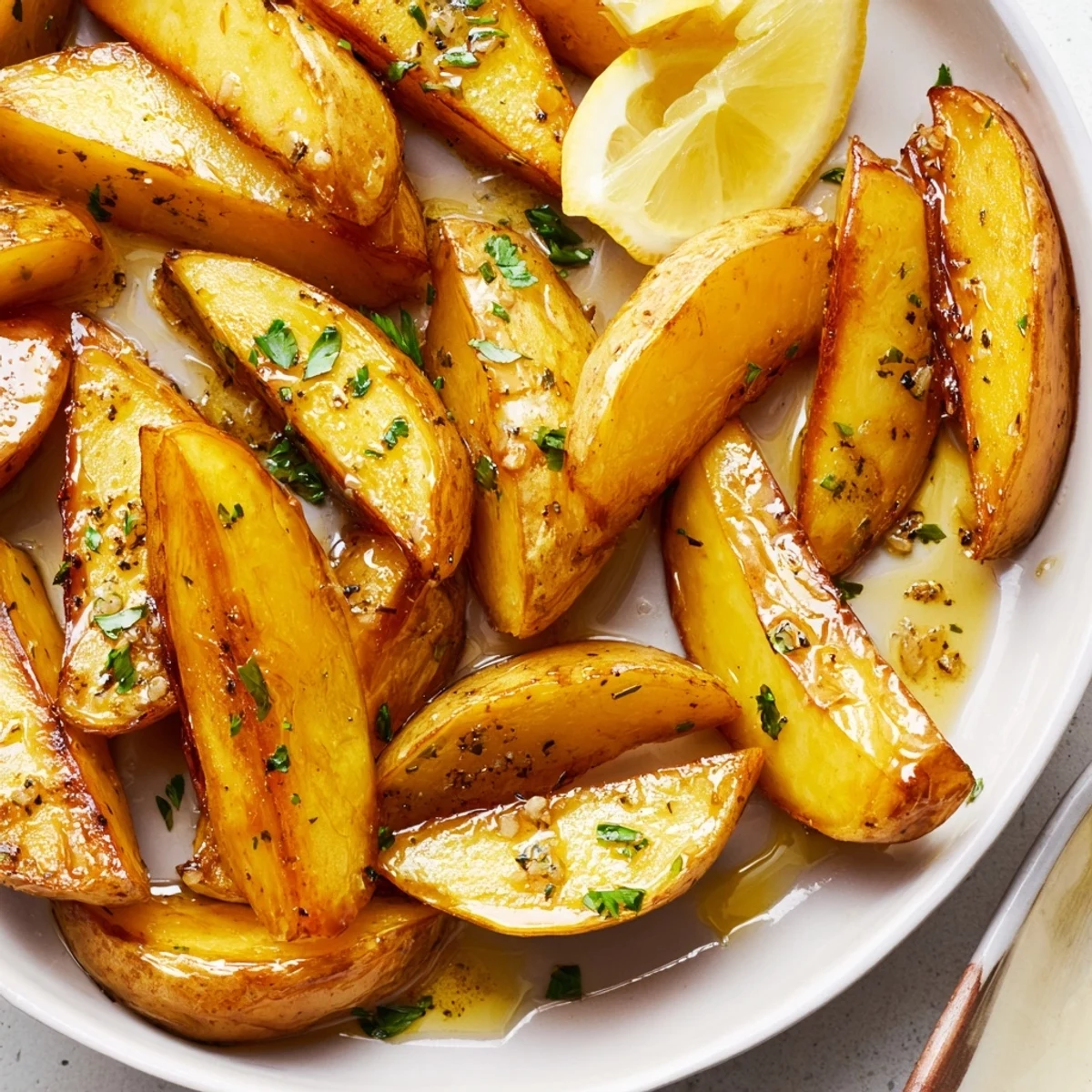
Save These Greek lemon potatoes always bring everyone closer, whether gathered around a table or nibbling straight from the pan. Let the bright citrusy aroma lead the way—your next meal is about to get a lot more memorable.
Recipe FAQs
- → How do I get extra-crispy edges?
-
Cut wedges so the flat side sits down in the pan, roast at a high temperature, flip once midway, and finish under the broiler for 3–5 minutes. A light sprinkle of semolina before roasting adds extra crunch.
- → Which potato variety works best?
-
Yukon Gold and Russet both work well: Yukon Gold yields creamier centers, while Russet gives a drier, crisper exterior. Choose based on preferred texture.
- → Can I make them ahead and reheat?
-
Yes. Reheat in a preheated oven at 200°C (400°F) until heated through, then broil briefly to restore crispiness. Avoid microwaving to keep edges from getting soggy.
- → What can I use instead of broth?
-
Vegetable or chicken broth adds flavor, but you can use water with a splash of white wine, a pinch of bouillon, or more lemon and olive oil for a lighter profile.
- → How do I balance garlic and lemon without overpowering the potatoes?
-
Use fresh lemon juice and minced garlic, toss the wedges thoroughly so flavors distribute evenly, and adjust amounts to taste. Spoon pan juices over the potatoes after the first roast to reinforce the citrus-garlic aroma.
- → Can I roast the potatoes with the skin on?
-
Yes. Leave the skins on for extra texture and nutrients; you may need to reduce wedge thickness or extend roasting time slightly until fork-tender.